
Are Tattoos Still Unprofessional at Work?
In today’s diverse workplaces, the question of whether tattoos are still seen as unprofessional lingers. With evolving workplace cultures and greater acceptance of personal expression, many professionals now wear tattoos without hesitation. However, the perception still varies by industry, company culture, and region. While some fields like finance or law still view visible tattoos as a red flag, others—especially in tech, creative industries, and growing hybrid environments—see them as a symbol of confidence and authenticity. The debate continues, and whether tattoos are truly unprofessional depends more on context than on the ink itself. For those considering a new tattoo, it’s worth knowing how to care for it properly—like whether you should wash your tattoo on the first day—to ensure it heals well and looks great in the long run.
Yes, tattoos are still debated in the workplace, but the rules are shifting. In many modern offices, they’re no longer seen as a barrier to professionalism.
Industry norms matter more than tradition—some sectors still view visible ink as unprofessional, but the trend is clearly moving toward acceptance.

Should Tattoos Still Be Seen as Unprofessional?
In today’s workplace, the question of whether tattoos are unprofessional keeps coming up. While some industries still view inked skin as a liability, others see it as a form of personal expression. As attitudes shift, especially in creative and service-based fields, the debate over whether tattoos still define professionalism is evolving. Are Tattoos Unprofessional? The answer depends more on context than on the tattoo itself.
Yes, tattoos can raise eyebrows in traditional corporate roles, but they’re increasingly accepted in modern workplaces. Should tattoos still be considered unprofessional? It depends on the job, company culture, and how the ink is displayed.
Many professionals now wear tattoos without hesitation—especially in fields like art, tech, and marketing. Should tattoos still be considered unprofessional? Not in most cases today.
Should Tattoos Still Be Seen as Unprofessional?
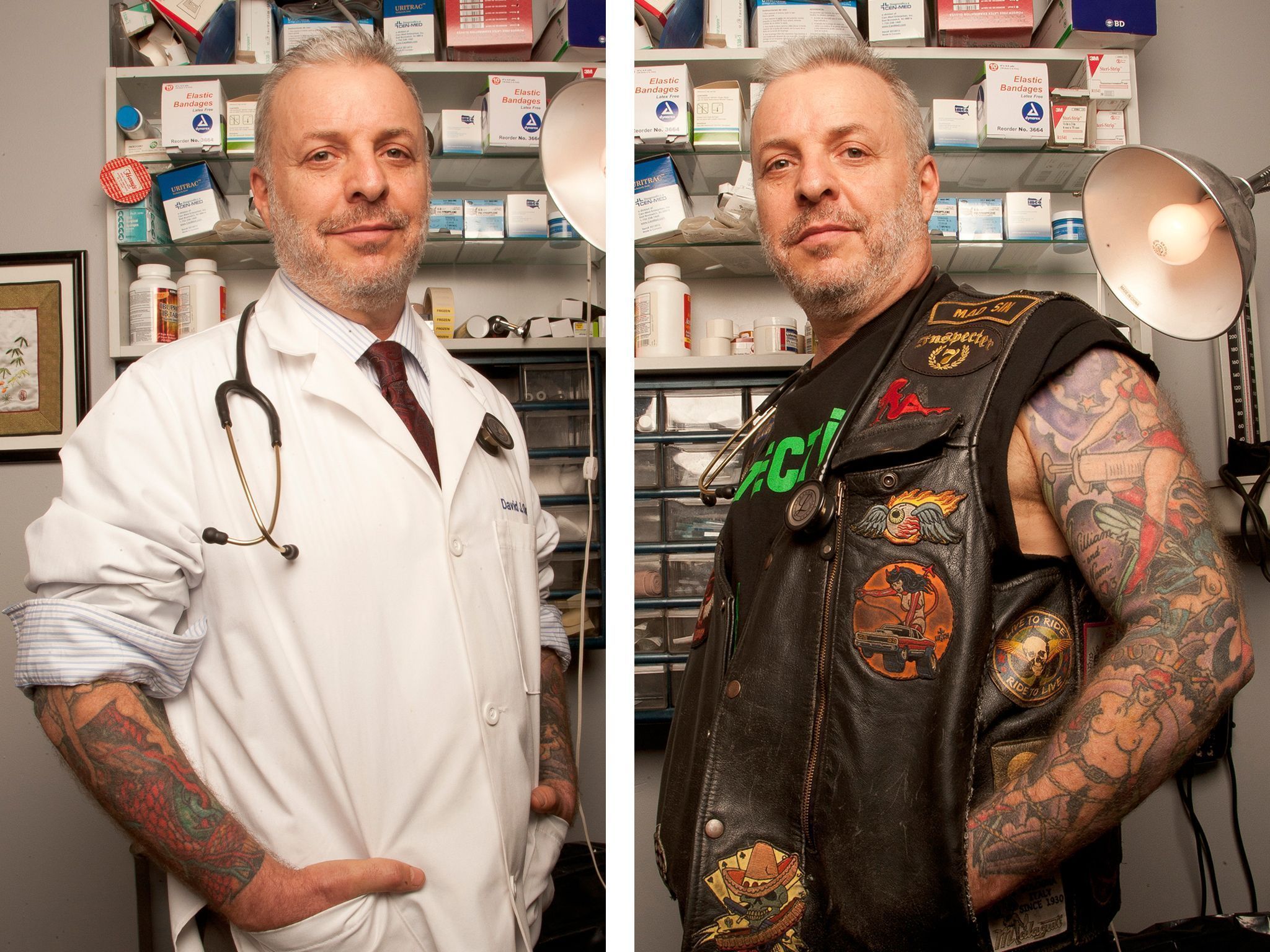
In today’s diverse workplaces, the idea that tattoos mark someone as unprofessional is fading. With more industries embracing individuality, people are redefining what it means to be professional. Should tattoos still be considered unprofessional? The truth is, they don’t define your work ethic or competence. Whether you have a small ink or a full sleeve, your skills and attitude matter more than your skin. Tattoos don’t determine professionalism — it’s your actions, communication, and reliability that speak volumes.
Yes, some traditional workplaces might still hold outdated views, but that doesn’t mean tattoos are inherently unprofessional. It’s about context and culture.
It’s time to stop judging people based on ink. Should tattoos still be considered unprofessional? Not really — your value is in your work, not your body art.

Should Tattoos Still Be Unprofessional at Work?
Should tattoos still be considered unprofessional in the workplace? This question lingers in modern offices, where cultural shifts and personal expression collide. As More Than Just Ink: Are Tattoos in the Workplace Becoming a normalized part of professional life, companies are reevaluating workplace dress codes. The line between personal freedom and corporate image is blurring, prompting deeper conversations about inclusivity, identity, and what truly defines professionalism.
Yes, tattoos can still be seen as unprofessional in some industries—especially traditional or conservative ones—but the trend is shifting. More companies now accept visible ink as part of a well-rounded, authentic professional image.
Many workplaces are updating policies to reflect modern values. If your job isn’t rooted in strict appearance norms, tattoos likely won’t be a barrier to success.

Are Tattoos Still Unprofessional in the Workplace?
In today’s evolving workplace culture, the question of whether tattoos should still be considered unprofessional is gaining fresh attention. With increasing diversity and acceptance in industries from tech to healthcare, many professionals are redefining what’s acceptable in the workplace. COMM highlights how personal expression, including body art, is becoming more normalized—especially when it’s tasteful and respectful of workplace norms. The debate isn’t just about appearance; it’s about inclusivity, individuality, and shifting cultural expectations.
Should tattoos still be considered unprofessional? The answer depends on context, industry, and company culture—more so than ever before.
Many workplaces now accept tattoos as long as they’re tasteful and don’t clash with professional standards.
Are Tattoos Still Unprofessional in 2024?
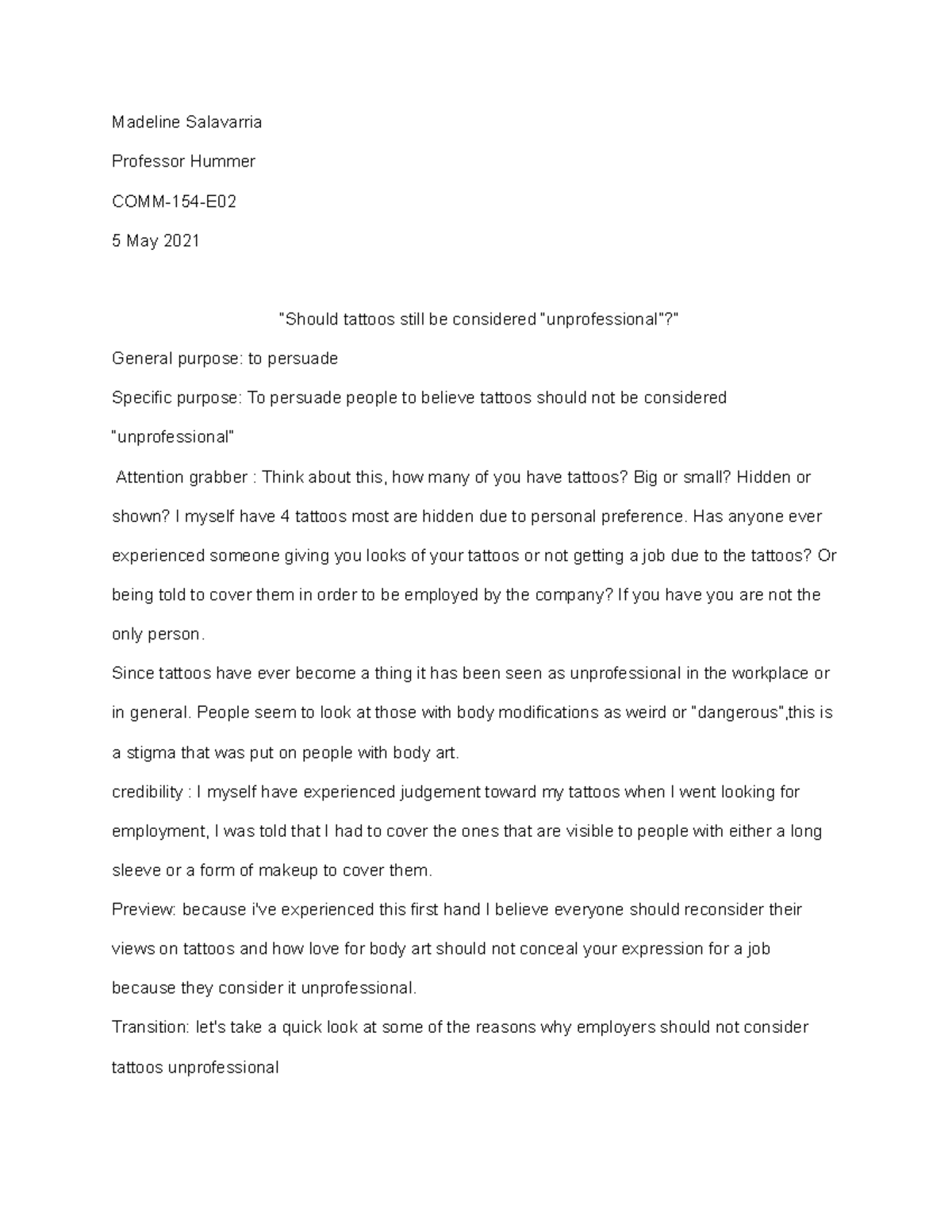
In today’s diverse and inclusive workplaces, the idea that tattoos are unprofessional is fading fast. With more industries embracing body art as a form of self-expression, the debate over whether tattoos still define professionalism is shifting. Should tattoos still be considered unprofessional? Many professionals now see them as a personal choice, not a career barrier—especially when they’re tasteful and well-placed. The truth? It’s less about the ink and more about context, culture, and workplace norms.
Modern workplaces are increasingly accepting of tattoos, especially when they’re subtle or professionally styled. Should tattoos still be considered unprofessional? Not in most environments today.
It depends on the industry and company culture—but in most cases, tattoos no longer signal a lack of professionalism.

Should Tattoos Still Be Seen as Unprofessional?
In today’s evolving workplace culture, the idea that tattoos are unprofessional is being challenged more than ever. As fashion, diversity, and self-expression grow in importance, many industries are reevaluating traditional norms. While some older workplaces still uphold strict dress codes, a growing number of employers now see tattoos not as a liability, but as a form of personal identity. The debate over whether tattoos still mark someone as unprofessional is shifting—especially in creative fields, tech, and service industries where authenticity resonates. Are Tattoos and Piercings Still ‘Unprofessional?’ is no longer a simple yes-or-no question, but a reflection of broader cultural changes.
Yes, tattoos can still clash with certain corporate environments, especially in traditional or conservative industries. But the perception is changing as workplaces become more inclusive.
Many professionals now wear tattoos confidently, showing that personal expression doesn’t have to come at the cost of professionalism.
Are Tattoos Still Unprofessional at Work?
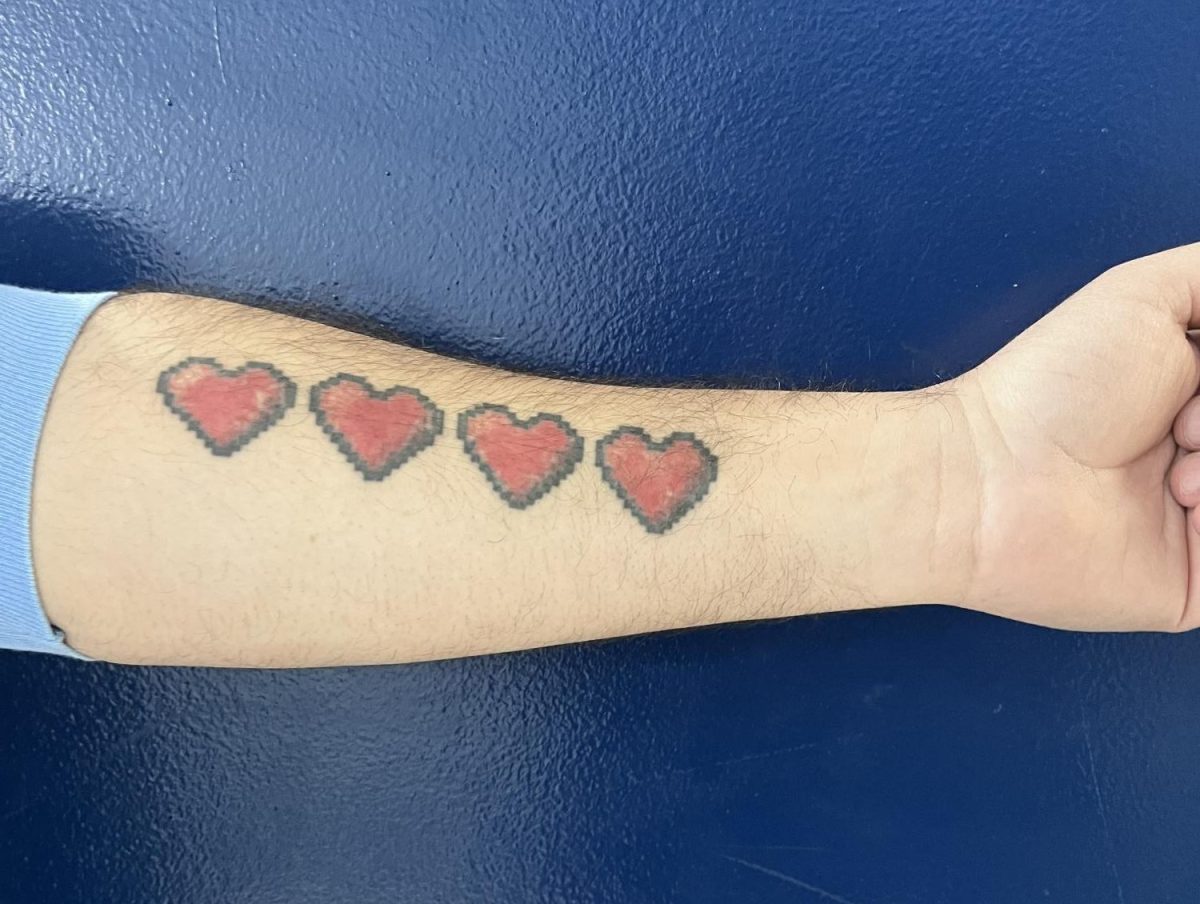
In today’s diverse workplaces, the idea that tattoos are unprofessional is fading. What once felt like a strict rule is now being challenged by real-world experiences and evolving workplace cultures. While some industries still hold onto traditional norms, others embrace body art as a form of personal expression. The Tattoo Taboo in the Workplace is slowly giving way to more inclusive attitudes—especially as employees seek authenticity and self-expression in their professional lives. Should tattoos still be considered unprofessional? Many say no, especially when they’re tasteful and well-placed.
Workplace norms are shifting, and tattoos are no longer automatically seen as a red flag. Should tattoos still be considered unprofessional? Not in most modern environments where diversity and individuality are valued.
Many professionals now wear tattoos without hesitation—proving that personal style and professionalism can coexist. The Tattoo Taboo in the Workplace is fading fast, and the answer to whether tattoos are unprofessional is increasingly a ‘no’ in today’s workplace culture.

Are Tattoos Still Unprofessional in 2024?
In today’s diverse and inclusive workplace, the idea that tattoos are unprofessional is fading fast. Many industries now embrace body art as a form of self-expression, especially as cultural norms shift. Should tattoos still be considered unprofessional? The answer depends on context—job type, company culture, and personal boundaries. What once seemed like a barrier to career advancement is now often seen as a personal choice, not a professional liability.
Traditional views are evolving, with more employers recognizing tattoos as a valid form of identity. Should tattoos still be considered unprofessional? Not in most modern settings—especially in creative or service-oriented fields.
Yes, some conservative environments may still hold outdated beliefs, but overall, the trend is clear: tattoos are no longer a dealbreaker in most professional spaces.

Should Tattoos Still Be Seen as Unprofessional?
In today’s diverse workplaces, the idea that tattoos are unprofessional is being challenged. As attitudes shift, many professionals are redefining what workplace culture means—especially when it comes to body art. With more inclusive environments emerging, the debate over tattoos at the workplace reflects broader changes in how we view individual expression and professionalism. Should tattoos still be considered unprofessional? The answer may be more nuanced than ever.
Old rules about tattoos and professionalism are fading fast. Today’s workplaces value authenticity over conformity, and many employees proudly wear tattoos without issue.
Some industries still hold onto outdated norms, but the trend is clear: tattoos are no longer automatically unprofessional in most modern settings.

Should Tattoos Still Be Unprofessional?
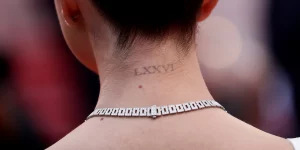
Many professionals still face pressure to hide their tattoos, especially from the neck up, despite growing acceptance in workplaces. The debate over whether tattoos are unprofessional continues, with some industries still holding outdated views. As societal norms shift, the question remains: should tattoos still be considered unprofessional in modern careers?
Even today, many job seekers feel forced to conceal tattoos from the neck up, reflecting lingering workplace biases.
Some employers still view visible tattoos as unprofessional, making it hard for candidates to feel fully accepted.

Are Tattoos Still Unprofessional in the Workplace?
In today’s evolving work culture, the question of whether tattoos still mark someone as unprofessional has shifted—no longer a hard rule, but a nuanced debate. While some industries still view visible ink as a red flag, others see it as a personal expression of identity. The (un)professionalism of tattoos now depends more on context than appearance alone.
Yes, tattoos can raise eyebrows in traditional corporate settings, but the idea that they automatically make someone unprofessional is outdated. It’s about how the tattoo fits with the role and workplace culture.
So, should tattoos still be considered unprofessional? Not necessarily—especially when they’re tasteful, respectful, and aligned with one’s job responsibilities.

Should Tattoos Still Be Unprofessional at Work?
As workplace norms shift, the once-taboo idea of wearing tattoos in professional settings is fading. With companies embracing diversity and individuality, the question of whether tattoos still define unprofessionalism is being reevaluated. The Tab FSU’s new findings show a growing trend of acceptance, especially among younger professionals who value authenticity over traditional appearances.
Many industries now see tattoos as a personal expression, not a flaw. Should tattoos still be considered unprofessional? The answer is increasingly no—especially when they’re tasteful and respectful of workplace culture.
Old rules are giving way. Tattoos are losing their workplace taboo, The Tab FSU’s new study highlights how visibility and inclusivity are reshaping professional standards.

Are Tattoos Still Unprofessional?
While some industries still view tattoos as unprofessional, the landscape is shifting. Modern workplaces are embracing body art more openly, especially in creative fields. Many professionals now wear tattoos without hesitation, proving they don’t define job suitability. The perception is evolving, and in many cases, tattoos are seen as a form of personal expression rather than a barrier. As fashion and workplace culture adapt, the idea that tattoos are inherently unprofessional is fading. For those wondering if their ink still holds them back, it’s worth asking: is the rule still relevant in today’s world? Are tattoos going out of style in 2024?
Yes, tattoos can still be seen as unprofessional in conservative environments, but that’s changing. The stigma isn’t as strong as it used to be, especially in creative industries.
Some still believe tattoos signal lack of discipline, but the reality is more nuanced. It depends on the job, culture, and personal expression. Should I wash my tattoo on the first day? — a simple question that highlights how much care matters, not just appearance.

Are Tattoos Still Unprofessional in the Workplace?
In today’s diverse and inclusive workplaces, the question of whether tattoos still count as unprofessional has sparked debate. While some industries once viewed visible ink as a barrier to career advancement, attitudes are shifting. With more employers embracing body expression as a form of personal identity, the stigma around tattoos is fading. Should tattoos still be considered unprofessional? The answer depends on context, industry norms, and company culture. What once seemed like a red flag now often feels like a personal choice—especially when it aligns with one’s values and professionalism.
Traditionally, tattoos were seen as unprofessional, but that mindset is changing. Should tattoos still be considered unprofessional? Not in most modern workplaces where diversity and individuality are valued.
Many professionals now wear tattoos without hesitation, especially if they’re subtle or tasteful. The line between personal expression and workplace decorum is blurring—making it clear that tattoos aren’t inherently unprofessional.

Should Tattoos Still Be Unprofessional?
In today’s workplaces, the debate over whether tattoos remain unprofessional continues to spark discussion. While some industries still view inked skin as a barrier to credibility, others embrace body art as a form of personal expression. This shift reflects broader changes in workplace culture and values. The Legality of Tattoo Discrimination in Employment … has helped clarify that such biases often lack solid legal foundation, especially when applied inconsistently or unfairly.
Yes, tattoos can still be seen as unprofessional in certain fields—especially traditional or conservative ones—but that’s changing fast. Many companies now recognize body art as a valid part of identity.
Even in strict industries, the idea that tattoos are inherently unprofessional is fading. It’s not just about appearance—it’s about inclusion and respect.
Should Tattoos Still Be Unprofessional?
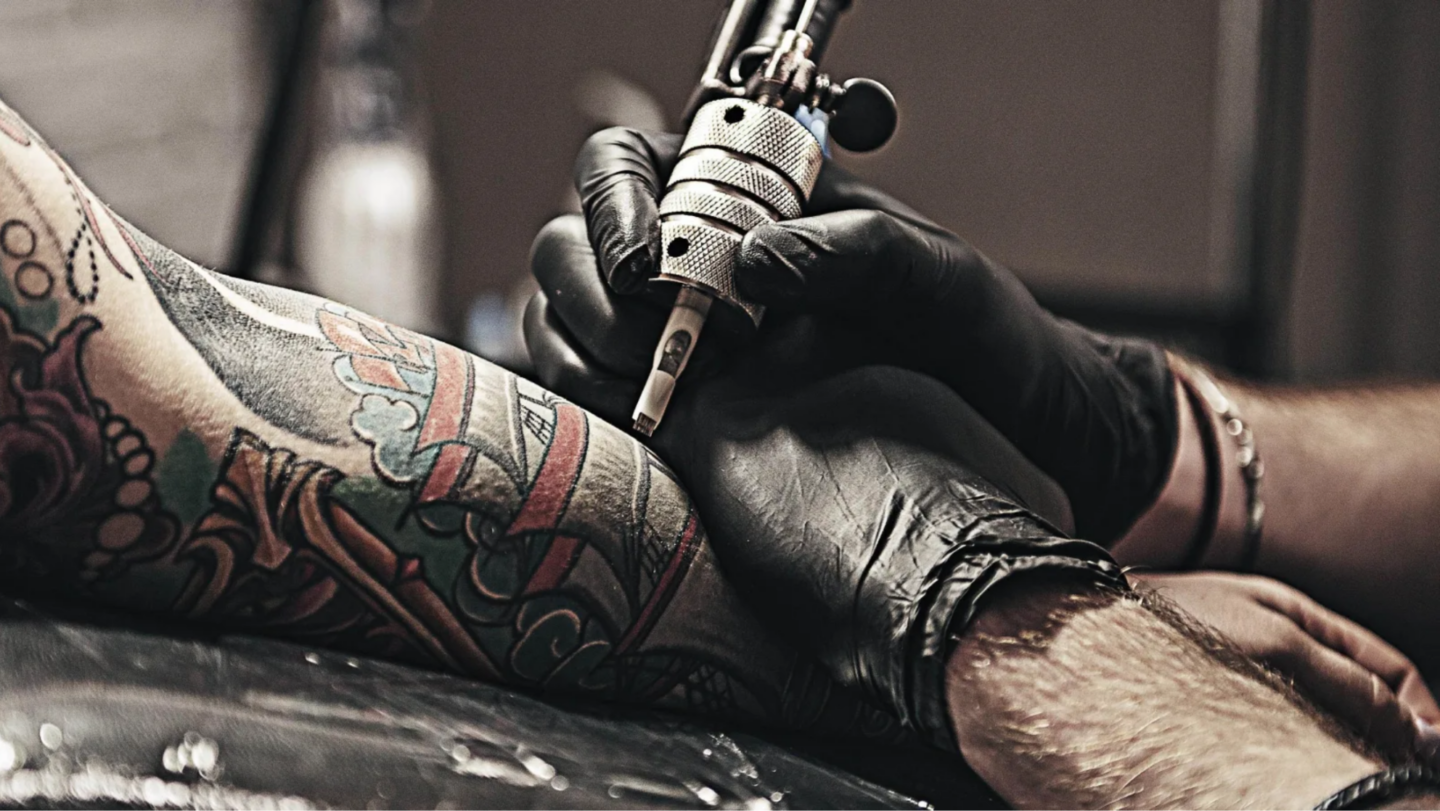
In today’s diverse workplaces, the question of whether tattoos still mark someone as unprofessional is fading. With more industries embracing individuality, many professionals now wear body art without hesitation. The idea that tattoos define one’s professionalism is outdated—what matters is how a person conducts themselves. Tattoos should not impact a professional environment, and as long as they’re respectful and appropriate, they belong in the workplace just like any other personal choice.
Yes, tattoos can raise eyebrows, but they shouldn’t automatically disqualify someone from a professional role. The key lies in context and workplace culture.
Ultimately, it’s not about the ink—it’s about attitude and professionalism.

Are Tattoos Still Unprofessional at Work?
In today’s workplace, the question of whether tattoos are still seen as unprofessional remains a hot topic. While some industries still enforce strict dress codes, others embrace body art as a form of personal expression. This debate is rooted in both cultural norms and workplace policies—especially when considering the broader context of Tattoos, Employment, and the Law. As societal attitudes evolve, so too does the perception of tattoos in professional environments.
Many companies still view visible tattoos as unprofessional, especially in corporate or client-facing roles. But this view is shifting as more employers recognize body art as a personal choice, not a threat to professionalism.
Should tattoos still be considered unprofessional? The answer depends on the industry, company culture, and individual job responsibilities.

Are Tattoos Still Unprofessional?
In today’s evolving workplace culture, the idea that tattoos define unprofessionalism is fading. Once seen as a mark of rebellion or lack of discipline, tattoos are now widely accepted across industries—especially when they’re tasteful and meaningful. This shift reflects a broader societal change, as seen in the progression of acceptance detailed in Tattoos in Society: A Progression of Acceptance. The line between personal expression and professional image is becoming more fluid, and many employers now recognize that body art can reflect confidence, authenticity, and individuality.
Traditional views still linger in some sectors, but they’re being challenged by real-world examples of successful professionals with visible tattoos.
So, should tattoos still be considered unprofessional? The answer depends on context, workplace culture, and personal expression—more than ever, it’s about judgment than rule.
Should Tattoos Still Be Unprofessional?
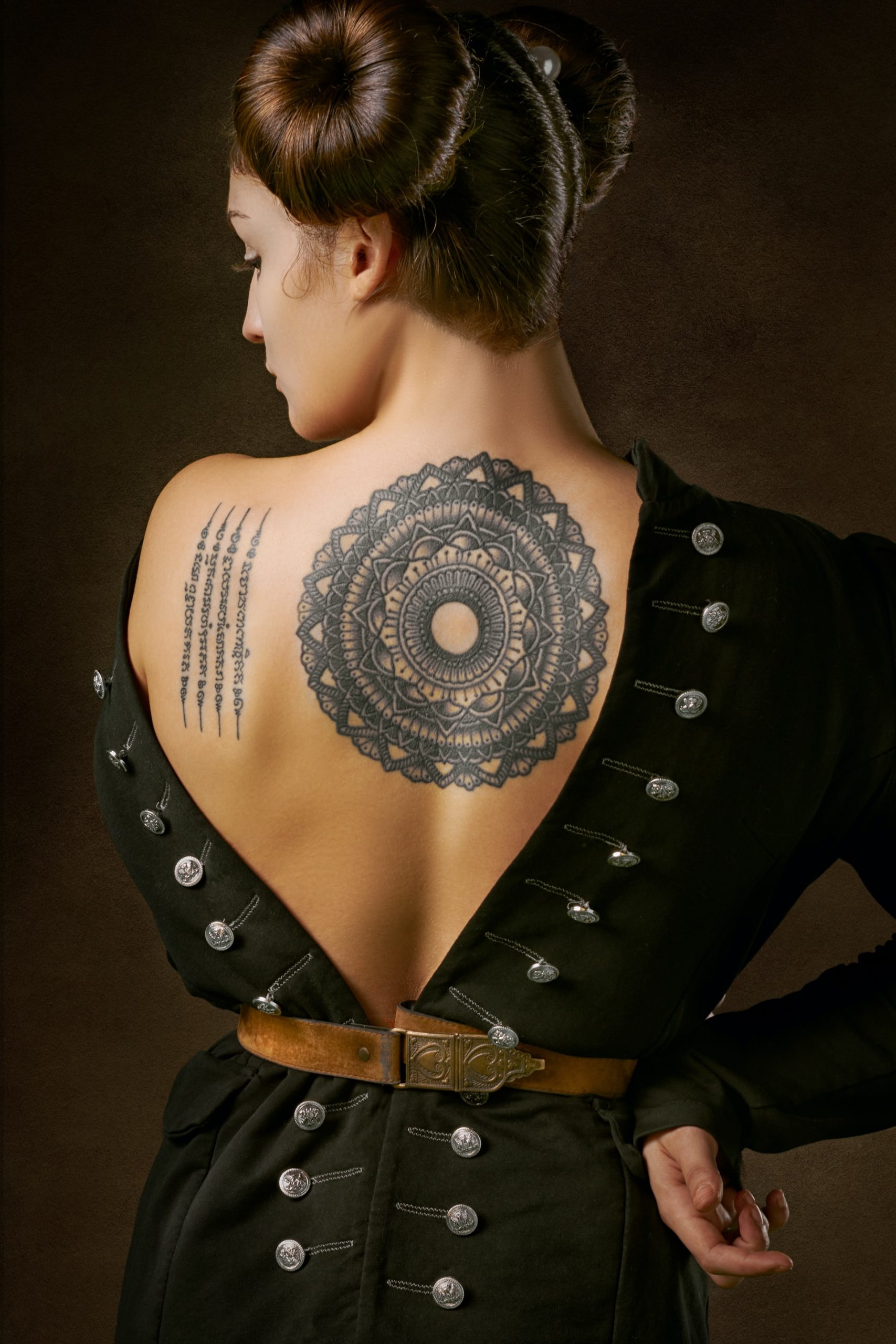
With evolving workplace norms, the idea that tattoos are unprofessional is fading. Many industries now embrace body art as a form of personal expression, especially when it’s tasteful and well-placed. Still, some environments—particularly traditional or conservative sectors—hold onto outdated views. The debate continues, especially when considering how tattoos might affect perceptions of reliability or professionalism. People often wonder if they’re less capable or able before they have tattoos, but that mindset is outdated. In today’s diverse workforce, tattoos don’t define competence or integrity.
Yes, tattoos can raise eyebrows in certain settings, but calling them unprofessional feels outdated. It’s about context, not the ink itself.
Some still see tattoos as unprofessional, but that view is shifting. Personal expression matters—especially when it reflects confidence and authenticity.

Are Tattoos Still Unprofessional?
In today’s diverse workplaces, the idea that tattoos define unprofessionalism is fading. Many industries now embrace body art as a form of personal expression, especially as professionalism shifts from rigid rules to values like authenticity and inclusivity. Should tattoos still be considered unprofessional? The answer is increasingly no—especially when you consider how far cultural norms have evolved. Tattoos and piercings are not unprofessional.
Modern workplaces value individuality over conformity. Should tattoos still be considered unprofessional? Most professionals now see them as a sign of confidence, not a flaw.
With more companies embracing diversity, tattoos are no longer seen as barriers to success.

Are Tattoos Still Unprofessional?
While some industries still view tattoos as unprofessional, especially in corporate or traditional fields, opinions are shifting. The debate continues, with many professionals now embracing body art as a form of personal expression. BBC Radio 5 Live recently highlighted how workplace culture is evolving, reflecting broader societal changes in what’s considered acceptable in the workplace.
Should tattoos still be considered unprofessional? The answer depends on the industry and company culture—some still enforce strict dress codes, while others see them as a sign of confidence and individuality.
Even in conservative environments, body art is gaining acceptance, suggesting that outdated rules may no longer fit modern workplaces.
Are Tattoos Still Unprofessional at Work?
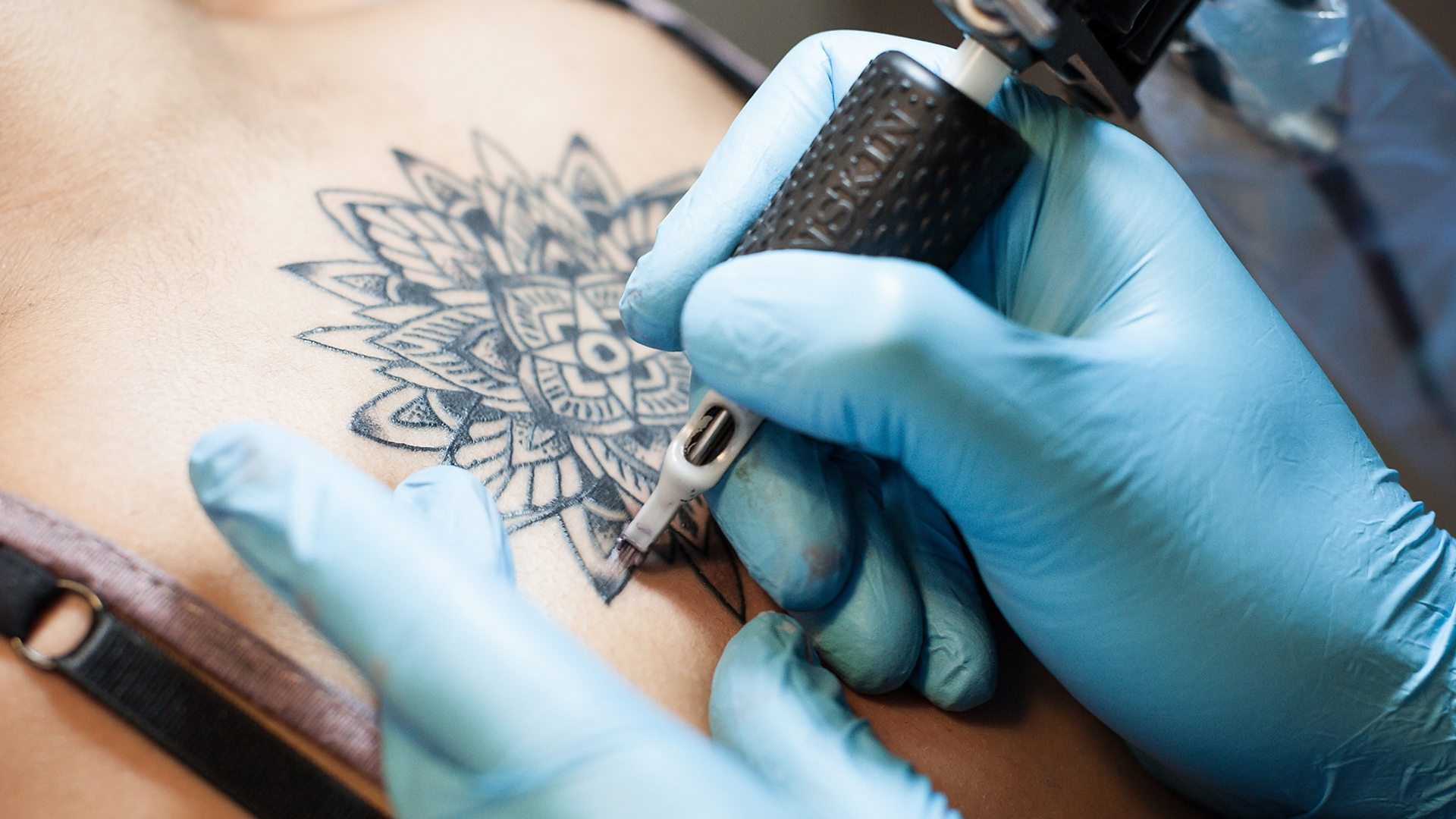
In today’s diverse workplaces, the debate over whether tattoos still count as unprofessional continues. While some industries once enforced strict dress codes, modern workplaces are embracing individuality. The idea that tattoos define unprofessionalism is fading, especially as more companies recognize that personal expression doesn’t undermine professionalism. With growing acceptance of body art, the conversation around tattoos and workplace culture is shifting—towards inclusion, authenticity, and respect for personal choices. This shift is part of a broader evolution in how we view appearance and identity in professional settings, especially when considering the broader topic of Tattoos And Piercings In The Workplace.
Many professionals now wear tattoos without hesitation, especially in creative or service-oriented fields. The assumption that tattoos signal lack of discipline or seriousness is outdated. Should tattoos still be considered unprofessional? Not in most modern workplaces.
Workplace norms are changing, and tattoos are no longer a red flag. Should tattoos still be considered unprofessional? The answer is increasingly no—especially as diversity and inclusion become central to company values.

Are Tattoos Still Unprofessional in the Workplace?
With rising workplace diversity, the question of whether tattoos should still be considered unprofessional is gaining traction. Many industries once banned visible ink, but modern attitudes are shifting. While some companies still enforce strict visibility rules, others embrace personal expression. The debate over tattoos and professionalism continues to evolve, especially as culture and workplace norms adapt.
Should tattoos still be considered unprofessional? The answer depends on the job and company culture. In many fields, visible ink is now seen as a form of personal expression, not a liability.
Some jobs still enforce visibility rules, especially in traditional or conservative industries. But in others, tattoos are fully accepted—proving that professionalism isn’t defined by appearance alone.

Are Tattoos Still Unprofessional in the Workplace?
While some industries still view tattoos as unprofessional, growing workplace diversity and personal expression are changing the narrative. Insights from real patient and physician experiences show that trust and competence matter more than appearance. Can Doctors Have Tattoos? What Patients and Physicians Say reveals a shift in perception—many patients now see tattoos as a personal choice, not a barrier to care.
Yes, tattoos can still be seen as unprofessional in certain fields, but attitudes are shifting. Personal style is becoming more accepted, especially in healthcare where patient trust is built on empathy, not appearance.
Many professionals now believe tattoos shouldn’t limit career opportunities—especially when they’re visible and well-placed. The idea that tattoos are unprofessional is fading, as seen in real conversations between doctors and patients.

Should Tattoos Still Be Unprofessional at Work?
While tattoos have evolved in cultural acceptance, many still question whether they belong in professional settings. The debate over whether tattoos are unprofessional continues, especially in industries where first impressions matter. Though some workplaces still enforce strict dress codes, modern attitudes are shifting—especially as tattoos become more visible and normalized in daily life. This shift reflects broader changes in workplace culture, where diversity, self-expression, and authenticity are increasingly valued. With growing visibility in media and public life, tattoos are no longer seen as a taboo, but rather as a form of personal identity. As society embraces individuality, the idea that tattoos are inherently unprofessional is being challenged. For those navigating this space, understanding workplace norms and personal boundaries is key. Should I wash my tattoo on the first day? is a common concern for new ink recipients, but it’s just one piece of a larger conversation about how we view body art in professional environments.
Many still see tattoos as unprofessional, especially in conservative industries. But the reality is shifting—tattoos are no longer a sign of rebellion, but of self-expression. As workplaces become more inclusive, the stigma is fading.
It’s not just about appearance; it’s about how tattoos reflect personal values and identity in a professional context. The answer isn’t black and white.

Should Tattoos Still Be Seen as Unprofessional?
In today’s workplace, the question of whether tattoos still carry a stigma remains relevant—especially in education. While some institutions enforce strict rules, others embrace diversity in self-expression. The debate around Educator Tattoo Policy: Can Teachers Have Tattoos? shows how cultural norms and professionalism intersect. Should tattoos still be considered unprofessional? That depends on context, visibility, and workplace culture.
Many professionals now wear tattoos without issue, but the perception lingers in conservative environments. Should tattoos still be considered unprofessional? It’s not a yes-or-no answer—it’s about balance and context.
Visibility and workplace norms matter. Should tattoos still be considered unprofessional? Not necessarily—especially when they’re tasteful and not in visible areas.