Feeling a healed tattoo raised and itchy can be frustrating; the itching often signals your skin is still working through the healing process, but it doesn’t have to linger.
Gentle moisturization, avoiding harsh soaps, and keeping the area cool can shorten the flare‑up and ease discomfort.
By following these simple steps, you can keep your ink looking fresh and prevent long‑term irritation.
Healed Tattoo Itchy and Raised? Fix It
If your healed tattoo still feels raised and itchy, you’re not alone. This common post-healing issue can stem from skin sensitivity, improper aftercare, or even the tattoo ink itself. While it may be uncomfortable, understanding what’s happening and how to address it can make all the difference. Many people worry it means something’s wrong, but in most cases, it’s just your skin adjusting. Learning the right steps—like moisturizing properly and avoiding irritants—can help restore comfort and prevent long-term issues. What To Do If Your Healed Tattoo Is Bumpy Or Itchy offers practical, real-world solutions that work for most people.
Itchy, raised skin after healing is normal—but it shouldn’t last. Your body is healing, and the texture may feel bumpy or rough. This often happens due to inflammation or scabbing. Don’t scratch or pick. Instead, use gentle care to soothe the area.
Keep the skin hydrated with fragrance-free lotion. Avoid sun exposure and harsh products. Healing takes time, and patience is key.

Healed Tattoo Still Itchy? Fix It Now
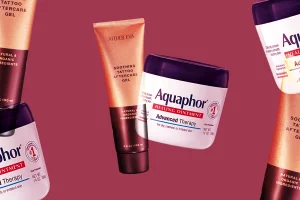
If your tattoo has fully healed but still feels raised and itchy, it’s not uncommon — your skin might be reacting to the healing process or residual inflammation. While the surface looks fine, underlying sensitivity can linger. Understanding why this happens and how to manage it can make a big difference. For many, the itchiness fades over time, but with the right care, you can speed up recovery and prevent irritation. Try gentle treatments like aloe-based creams or natural oils to soothe the skin. Also, consider using a trusted ointment like best healing ointment for tattoos to support skin repair.
Healed tattoo raised and itchy? It’s often due to skin sensitivity or minor inflammation. Don’t ignore it — it can signal a need for extra care.
Even after healing, your skin may react. Use a soothing lotion to calm the itch and reduce redness.
Healed Tattoo Itchy and Raised? Here’s Why
After your tattoo heals, it’s common to notice it’s raised and itchy—this isn’t just a glitch. It’s part of the skin’s natural recovery process. Many people worry it means something’s wrong, but the truth is, raised and itchy skin during healing is actually normal. If you’re experiencing this, you’re not alone. Understanding what’s happening can ease your mind and help you care for your tattoo properly. Raised Tattoo: Is it Normal? The answer is yes—especially in the first few weeks post-healing.
Healed tattoos can feel bumpy and itchy due to skin rebuilding. This is a sign the body is healing, not a sign of infection or problems.
Itchy and raised skin after healing? That’s normal—your tattoo’s skin is regenerating.
Healed Tattoo Itchy? Here’s Why
Even after your tattoo has fully healed, it’s common for the skin to feel raised and itchy—especially in the first few weeks post-care. This reaction is often due to the skin’s natural healing process, where inflammation and collagen repair create temporary sensitivity. While it may be unsettling, it’s usually a sign your body is doing its job. Understanding what’s happening can help you manage discomfort and avoid unnecessary irritation. Itchy tattoos happen for a reason, and knowing the science behind it gives you better control over your recovery.
Healed tattoo raised and itchy? That’s normal—your skin is still adjusting. Don’t scratch or pick, as this can lead to scarring or infection.
Keep skin moisturized and avoid harsh soaps to ease the itch and reduce flare-ups.

Healed Tattoos Still Itch? Here’s Why
Even after a tattoo has fully healed, you might still notice itchy, raised patches. This common reaction is actually part of the body’s natural healing process. While it may feel strange or uncomfortable, it’s not a sign of infection or poor healing. The skin is still repairing itself, and the itching often fades over time. Understanding what’s happening can help ease worries and improve your post-tattoo care. This phenomenon—especially when the tattoo feels raised and itchy—is often linked to the body’s immune response during recovery. For a deeper look into the science behind it, check out the full explanation of why tattoos itch.
Healed tattoos can still feel itchy and raised due to lingering inflammation or skin sensitivity.
The body’s healing process continues even after the surface appears to have healed.
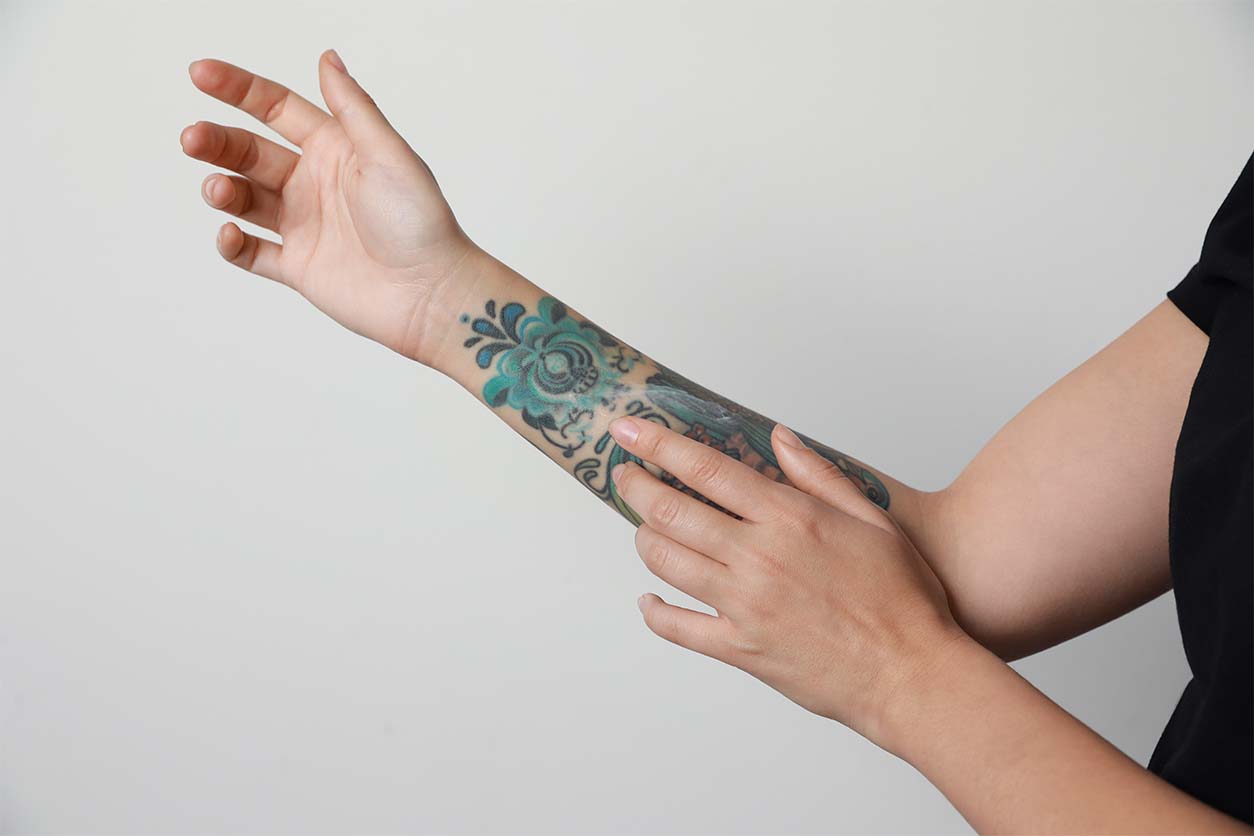
Healed Tattoo Still Raised and Itchy?
If your healed tattoo feels raised and itchy after a year, it’s not uncommon—your skin might still be adjusting. Some people notice small bumps or lumps, especially on a 1.5 year old tattoo, which can be confusing. This reaction often comes from the body’s healing process, not a sign of infection. While it’s usually harmless, monitoring the area and keeping it moisturized helps reduce irritation and supports long-term skin health.
Itchy, raised patches after healing can feel unsettling—especially if you’re unsure what’s causing them. A healed tattoo might still show subtle bumps, even years later.
Could be a reaction to ink or skin regrowth. Keep an eye on it, and avoid picking or scratching.
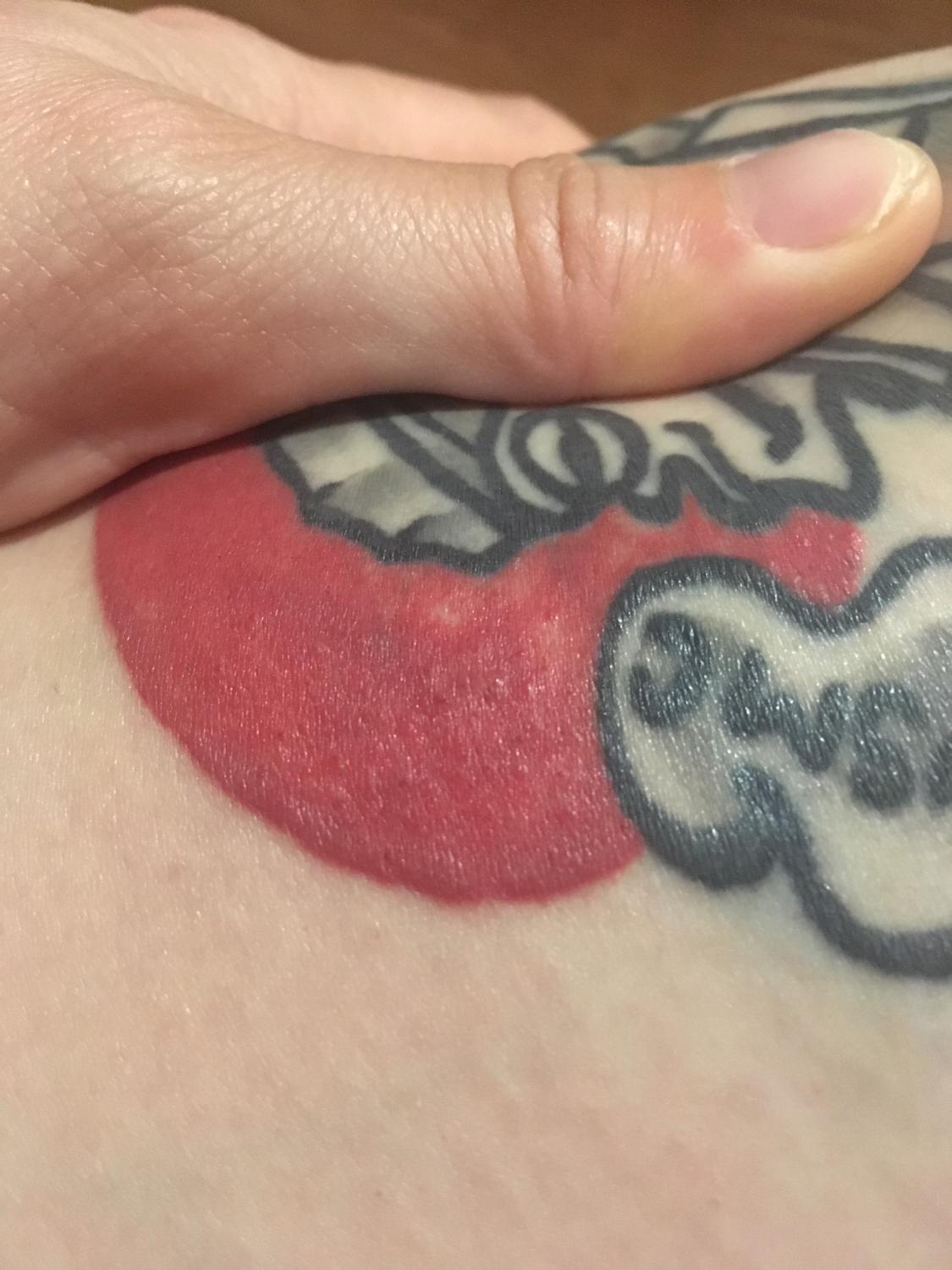
Healed Tattoo Still Itchy? What to Do
If your tattoo has healed but now feels raised and itchy, it might not be fully settled. This common post-healing issue can stem from irritation, allergic reaction, or even a minor infection. Understanding the signs and following proper aftercare steps—like keeping the skin moisturized and avoiding harsh products—can help resolve it. A simple check-in with your artist or dermatologist may also be wise. Remember, healing isn’t always smooth, and some discomfort after the surface has closed is normal, but it shouldn’t persist.
Healed tattoo raised and itchy could signal an allergic reaction or irritation. Don’t ignore it—tattoo rash or allergy signs can appear weeks after the ink has dried.
Even after healing, skin sensitivity can linger. Raised, itchy patches might mean your body is still reacting—especially if you’ve used new products or exposed the area to sun.
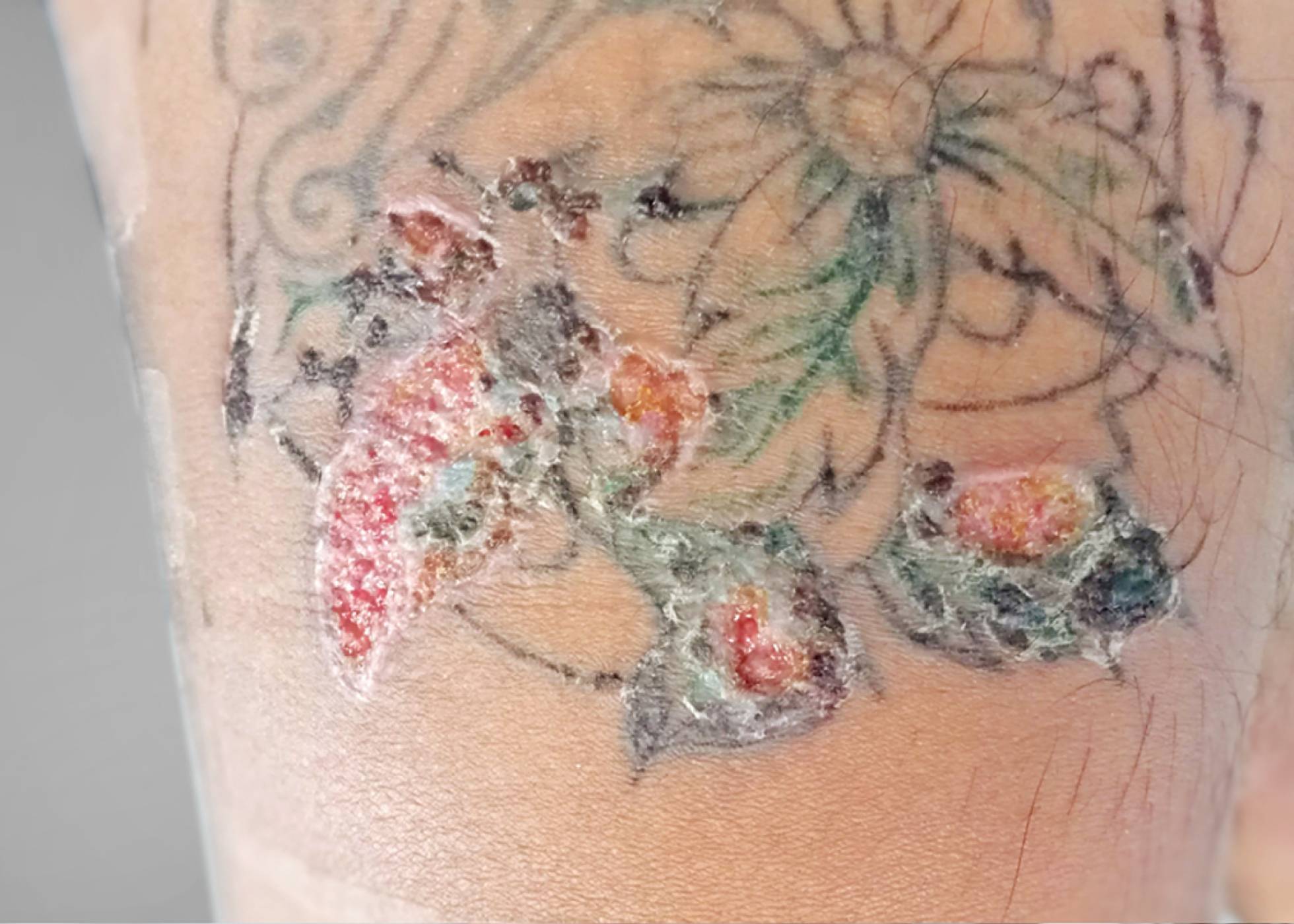
Healed Tattoos Can Still Raise and Itch
Even after years, some healed tattoos can raise or itch unexpectedly—often due to hidden skin reactions or irritation beneath the surface. This isn’t just a minor annoyance; it might signal deeper issues like inflammation or allergic responses. Understanding what triggers these symptoms can help you take better care of your skin and avoid discomfort. Why Do Tattoos Sometimes Raise or Get Irritated Years Later… is a common concern for many long-term tattoo owners.
Healed tattoos can still react years later—raised bumps and itching may signal lingering inflammation or sensitivity.
Itchy, raised patches after years? Your tattoo might still be reacting beneath the skin.

Healed Tattoo Itchy? Here’s Why
Even after your tattoo has fully healed, it can still feel raised and itchy—common but often confusing. This isn’t a sign of a problem, just your skin adjusting. Understanding what’s happening can help you manage the discomfort and keep your ink looking great. Why Your Tattoo Feels Itchy and How to Get Relief explains the science behind this, offering practical steps to ease the irritation naturally.
Healed tattoos can still feel raised and itchy due to skin sensitivity and inflammation. This is normal, not a sign of infection or poor healing.
Itchy patches after healing might be due to collagen rebuilding—your skin’s natural recovery process.
:max_bytes(150000):strip_icc()/GettyImages-1363969806-adab5d6dc07c496daee0adb7393ebcda.jpg)
Healed Tattoo Itchy and Raised? Here’s Why
After your tattoo healed, you might notice a raised, itchy patch—especially with black ink. This is common, not a sign of infection. The skin’s healing process can cause tiny bumps as it restructures. While it’s usually harmless, understanding the cause helps you manage discomfort. If the itchiness worsens or spreads, consult a dermatologist. Keep the area moisturized and avoid picking.
Healed tattoo raised and itchy? It’s often due to skin reorganizing after ink settles. Black ink can sometimes trigger a mild reaction during healing.
Itchy raised spots post-tattoo? Often a normal healing response. Bumps on black ink may appear as the skin stabilizes.
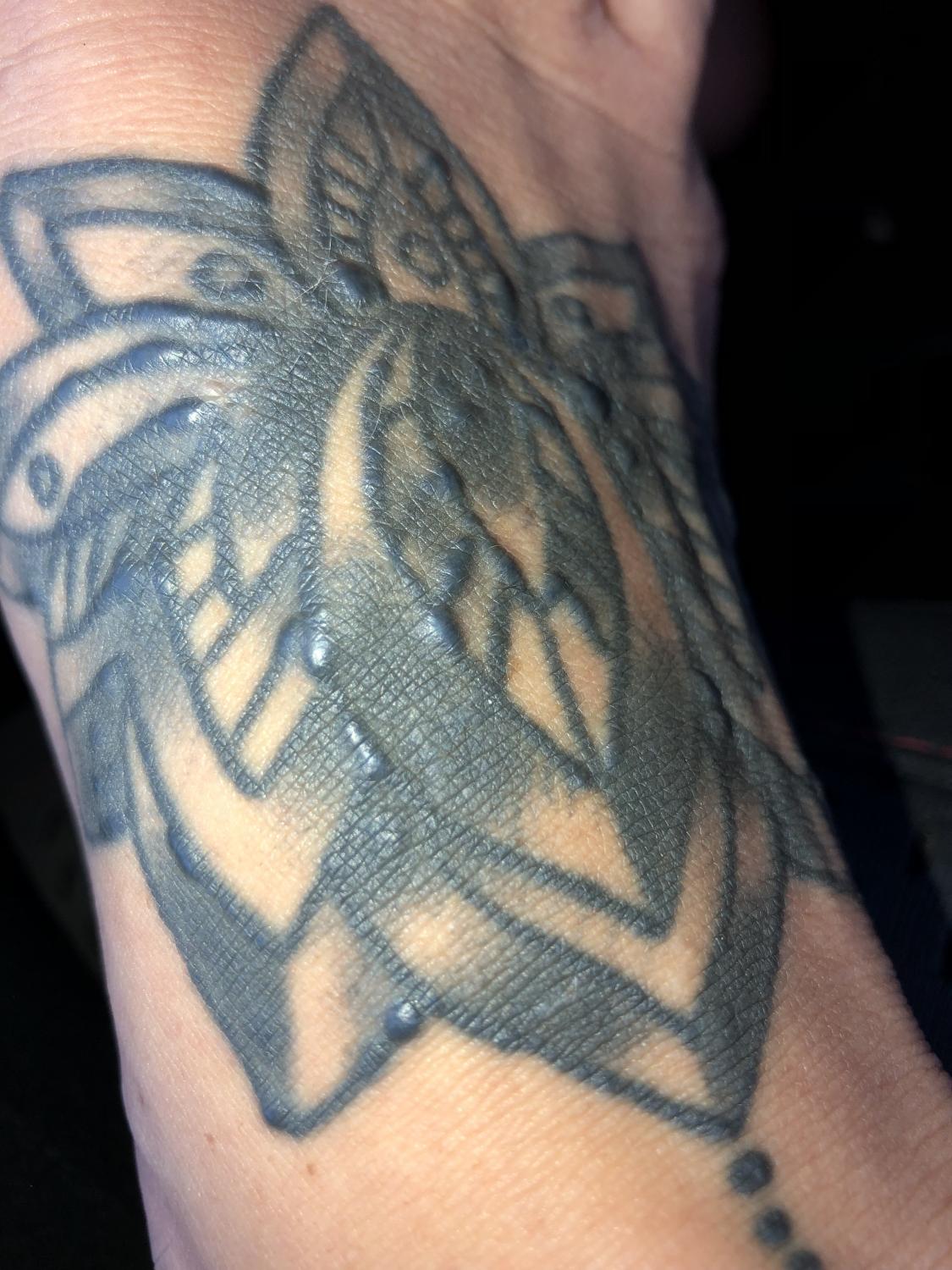
Healed Tattoo Itchy and Raised? Here’s Why
After your tattoo heals, it’s common to notice raised patches or an itchy sensation—this isn’t always a sign of trouble. Many people experience this as their skin settles, especially if the ink was applied deeply or the area had inflammation during healing. While it can feel unsettling, it’s often part of the natural recovery process. If the bumps persist or worsen, it’s worth checking in with a professional. Healing isn’t always smooth, but understanding what’s happening can ease your mind. A few weeks of patience and proper aftercare usually help things settle down. Remember, healed tattoo raised and itchy is a familiar experience for many, and it’s usually temporary.
Itchy, raised spots after healing are normal—your skin is adjusting. This often happens due to residual inflammation or skin rebuilding.
Healed tattoo raised and itchy? It’s usually your skin’s natural response, not a sign of infection or issues.
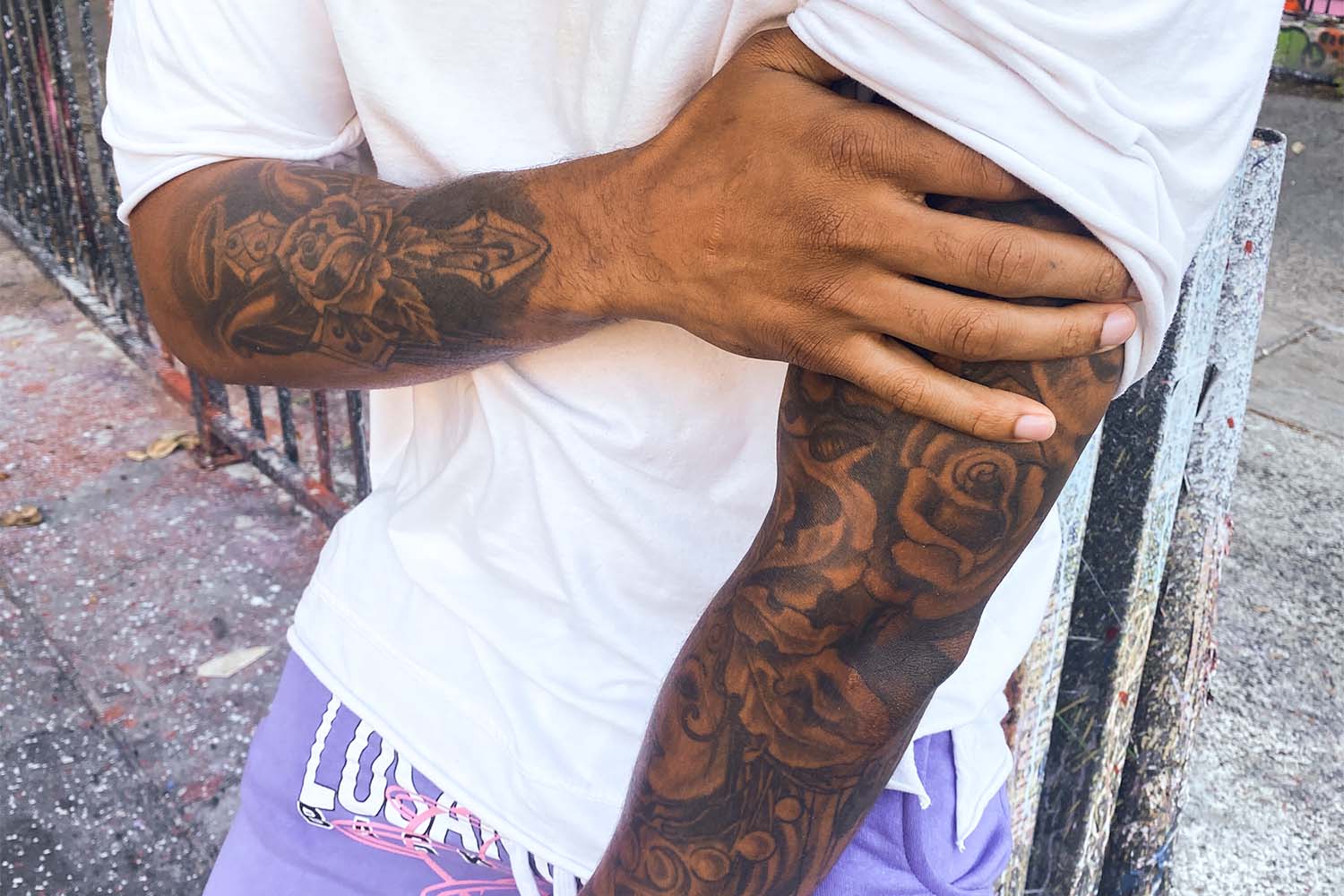
Why Your Tattoo Feels Raised and Itchy
When your tattoo feels raised and itchy, it’s usually part of the natural healing process. This common reaction happens as skin repairs itself after ink is applied. Understanding what’s happening can ease anxiety and help you care for your tattoo properly. Healed tattoo raised and itchy symptoms often resolve on their own, but proper aftercare makes all the difference. This is a key part of the tattoo healing process: what to expect, and how to manage discomfort safely.
Healed tattoo raised and itchy sensations are normal—your skin is rebuilding layers. Don’t panic; this is a sign of healing, not infection.
Itchy, raised areas mean your skin is regenerating. Keep moisturizing and avoid picking.
:max_bytes(150000):strip_icc()/Tattoo2-596318ff11a4435e9598e7ae05359a0d.jpg)
Healed Tattoo Still Itchy? You’re Not Alone
Even after a tattoo has fully healed, some people still experience raised, itchy patches—especially if the ink triggered an allergic reaction. Research shows that itchy, scaly tattoo ink allergies are more common than thought, and your body might still be reacting long after the surface has healed. Understanding this can help you manage symptoms and prevent future irritation.
Healed tattoo skin can remain itchy and raised due to lingering allergic responses. It’s not just a minor irritation—it may signal an immune reaction to the ink.
Don’t ignore itchy patches after healing. They could be signs of an ink allergy, even months later.
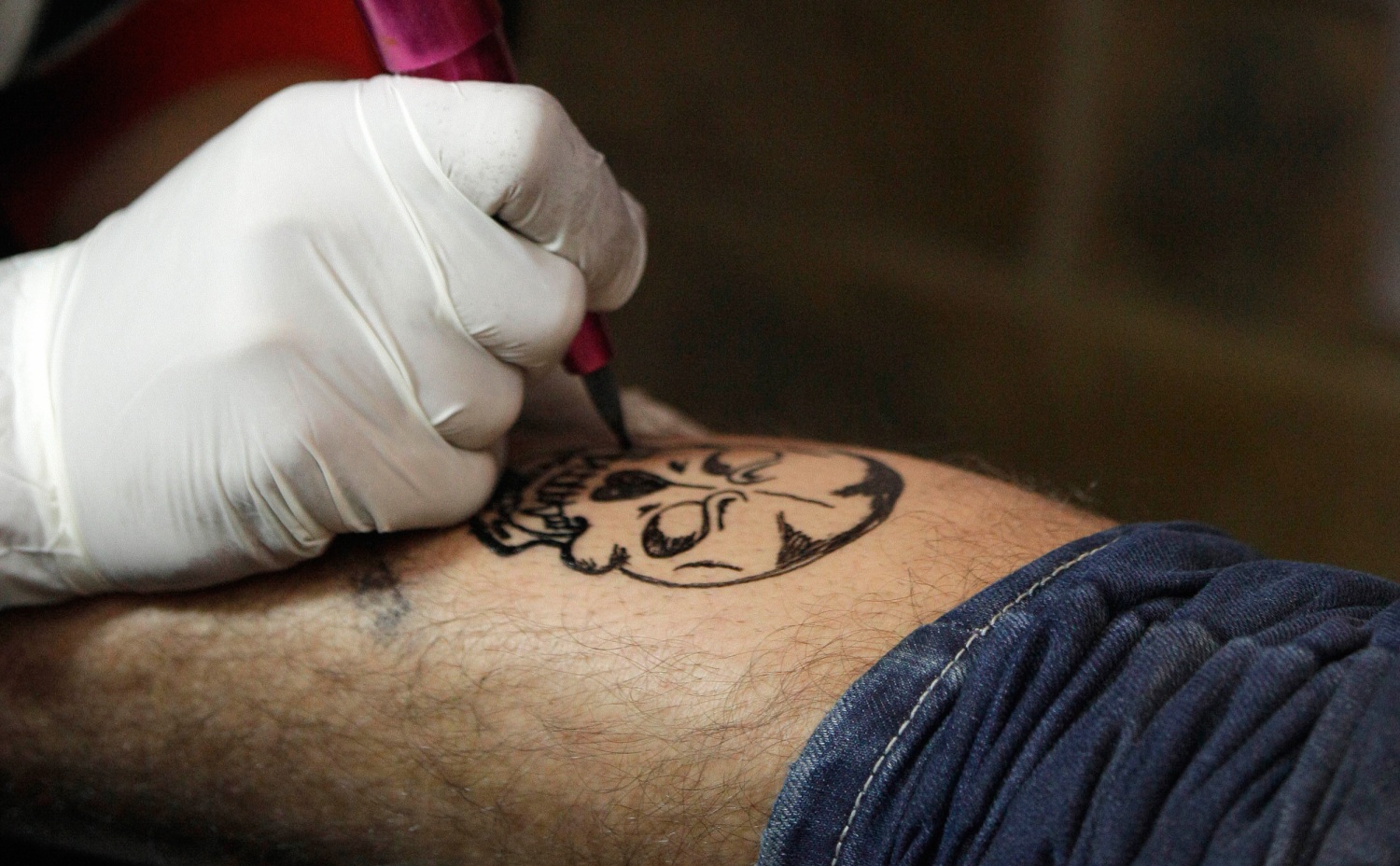
Healed Tattoo Itchy and Raised? Fix It Now
Even after a tattoo heals, it can still feel raised and itchy—common but often misunderstood. This isn’t a sign of infection, but rather the skin adjusting. Understanding the cause helps you manage it safely. Older Tattoo Care: How to Treat and Prevent Infections… offers key insights into proper aftercare, especially when skin reacts post-healing.
If your healed tattoo feels raised and itchy, it’s likely due to skin sensitivity or minor inflammation, not a problem needing urgent treatment.
Keep it moisturized, avoid scratching, and let the skin breathe—this helps calm irritation naturally.

Healed Tattoo Itchy and Raised? Here’s Why
If your tattoo is healed but still feels raised and itchy, it might not be fully settled. This can happen due to skin reactions, residual inflammation, or even early signs of infection. While it’s not always dangerous, understanding what’s going on helps prevent complications. Paying attention to changes in texture, color, or odor can make a big difference. For extra care during recovery, consider using a trusted ointment like the one featured in our gallery on the best healing ointment for tattoos.
Healed tattoos can still feel itchy and raised — it’s common, but not normal. It might signal lingering irritation or a hidden issue.
Don’t ignore itchy, raised skin after healing. It could be a sign of infection, especially if it spreads or worsens. Always monitor for redness, swelling, or pus.

Healed Tattoo Still Raised and Itchy?
If your tattoo feels raised and itchy after healing, it’s not a sign of failure—just a common reaction. Your skin is still adjusting, and the raised texture might be due to scabbing or inflammation. While it’s normal in the early stages, persistent itchiness could mean the tattoo isn’t fully settled. Understanding how your skin heals helps you avoid confusion and unnecessary stress. It’s important to know that healing isn’t just about the surface—it’s about the body’s natural process of rebuilding. When you’re unsure, checking signs like skin texture, color, and comfort can give clarity. This is especially true if you’re dealing with a healed tattoo that still feels raised and itchy. How to Know When Your Tattoo is Officially Done Healing offers a clear roadmap to trust your skin’s progress.
Healed tattoos can still feel raised and itchy—this is normal, not a sign of infection or failure.
Itchy, raised skin after healing? That’s your body’s natural response, not a problem.

Healed Tattoo Still Raised and Itchy?
If your tattoo has fully healed but still feels raised and itchy, it’s not uncommon — your skin might be adjusting to the ink. While most tattoos heal within 4 to 6 weeks, some people experience lingering sensations due to inflammation or scabbing. This can happen even after the surface looks healed. It’s important to understand what’s normal and when to seek help. For extra relief, consider using a gentle, skin-friendly ointment like Gold Bond Lotion for Tattoos, which helps soothe irritation without clogging pores.
Healed tattoo raised and itchy? It might be your skin’s final reaction to the healing process.
Don’t ignore it — it could signal deeper irritation or infection.
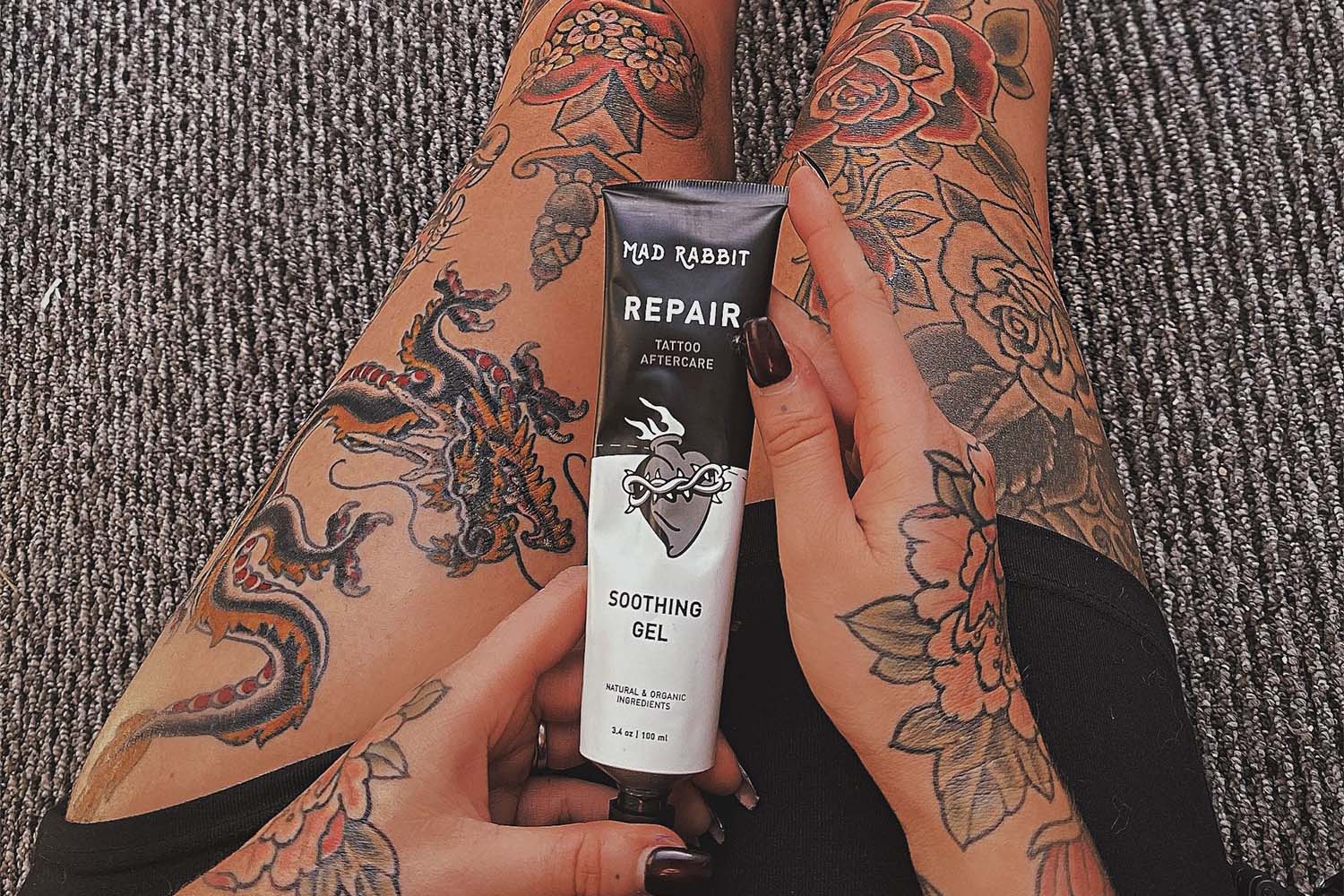
Healed Tattoo Itchy and Raised? Here’s Why
After your tattoo has healed, it’s not uncommon for the skin to feel raised and itchy—this can be a sign of lingering inflammation or an immune response. While it might seem alarming, it’s often part of the recovery process. Think Before You Ink: Tattoos and Adverse Skin Reactions… highlights how even healed tattoos can trigger unexpected skin behaviors, especially if the ink or aftercare wasn’t ideal.
Healed tattoos can still feel raised and itchy due to residual inflammation or skin sensitivity. This isn’t always a cause for concern—but it’s worth paying attention to.
Itchy, raised skin post-healing might mean your body is still reacting to the ink. Don’t ignore it—check your aftercare and consider professional advice.

Healed Tattoo Itchy and Raised? Fix It
Even after your tattoo has healed, it’s common to notice it’s raised and itchy—this can be normal, but knowing how to manage it properly helps keep your ink healthy and looking fresh. Understanding the cause and responding with gentle care makes all the difference in long-term results.
Healed tattoos can still feel raised and itchy due to skin sensitivity or residual inflammation. Addressing this early prevents irritation and supports a smoother finish.
Keep your skin moisturized with fragrance-free products to soothe itchiness and reduce raised bumps. Simple care keeps your tattoo looking vibrant and healthy.
:max_bytes(150000):strip_icc()/Health-GettyImages-1427567322-f8f09bb499654178a8508f916d9acd14.jpg)
Healed Tattoo Still Raised and Itchy?
If your tattoo has healed but feels bumpy or itchy, you’re not alone. This common issue can stem from the skin’s healing process or lingering inflammation. Many people notice raised patches or mild irritation after the surface has fully closed. While it’s usually harmless, understanding what’s happening can help you manage it better. A simple post on forums or social media might offer real insights from others who’ve walked the same path.
After healing, some tattoos remain slightly raised or itchy due to skin sensitivity or scab residue.
Itchy, raised skin after healing might be normal—just give your body time to settle.

Healed Tattoo Itchy and Raised? Here’s Why
Even after a tattoo seems to have healed, you might still notice itchy, raised patches. This is normal in the early recovery phase, as your skin adjusts. While it may feel uncomfortable, it’s part of the healing process. If the itching persists or worsens, it’s worth checking in with your artist or dermatologist. Remember, healing isn’t always smooth—some people experience bumps or irritation long after the surface has dried. It’s important to keep the area moisturized and avoid scratching. For more on what to expect during recovery, including how to handle common post-tattoo issues, check out why a tattoo might burn after a few days and what to do.
Healed tattoo raised and itchy? It’s often due to skin sensitivity or residual inflammation. Don’t panic—this is common and usually resolves on its own.
Keep skin hydrated and avoid irritants to ease discomfort.

Remember, a raised and itchy tattoo is a normal part of post‑healing, but with consistent care, the symptoms will subside. Keep your skin clean, hydrated, and protected, and your tattoo will stay vibrant and comfortable.