White ink tattoo healing process steps vary from skin to skin, yet basic care remains the same. Moisture balance and protection against the sun are crucial for a crisp, lasting design.
During the first week, a white tattoo may look darker due to natural skin inflammation, but this is normal. Avoid picking or excessive friction to ensure the pigment settles properly.
Staying hydrated and using a fragrance‑free moisturizer keeps the healing skin supple, promoting even fading and preventing unwanted discoloration.
White Ink Tattoos: Healing Like a Puzzle
Healing a white ink tattoo is a delicate journey—unlike black ink, it doesn’t just fade or flake; it demands patience, care, and a deep understanding of how skin reacts to pigment. The process is more complex, especially when you consider the trouble with white. Unlike traditional inks, white ink doesn’t just sit on the skin—it lifts, fades, and can sometimes appear patchy or uneven. Proper aftercare is essential to avoid issues like ghosting or discoloration. Understanding the nuances of white ink tattoo healing process helps ensure your design stays true to its original vision.
White ink tattoos heal differently—slower, more sensitive, and prone to irritation. The skin reacts to the pigment in ways that can surprise even experienced artists.
White ink doesn’t just cover; it interacts with the skin. This interaction is key to mastering the healing process.
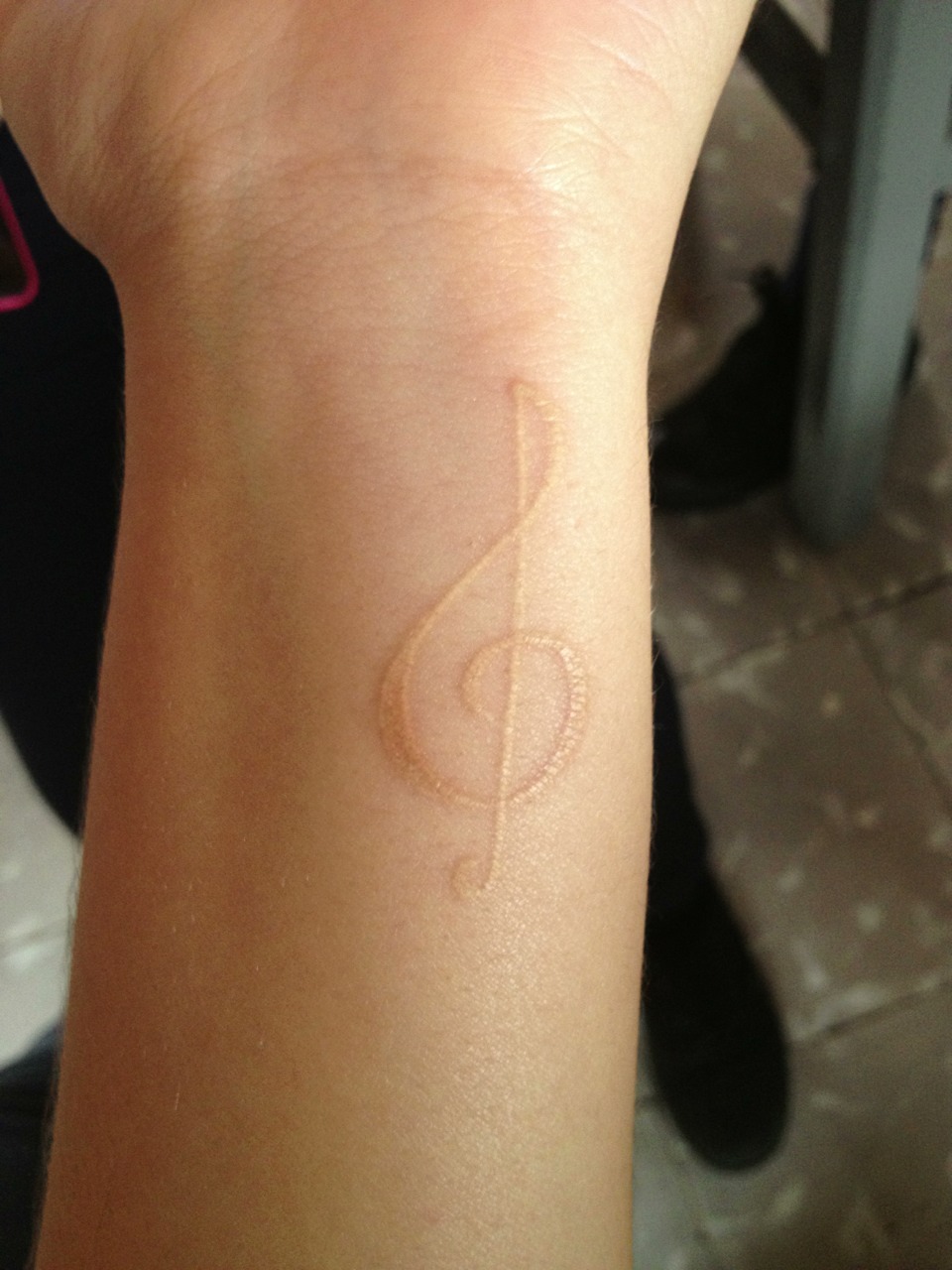
How to Heal Your White Ink Tattoo Right
White ink tattoos heal differently than black ones—slower, more sensitive, and requiring extra care. Understanding the white ink tattoo healing process helps you avoid scabbing, fading, and irritation. Follow proven steps to preserve detail and color, ensuring your artwork lasts. This guide builds on the principles from The Tattoo Healing Process: Heal Your Tattoo Like A Pro…
White ink heals slower due to its porous nature. Keep skin hydrated and avoid picking. Proper aftercare is key to long-lasting results.
Patience matters. Avoid sun exposure and harsh products during healing. The white ink tattoo healing process needs gentle, consistent care.
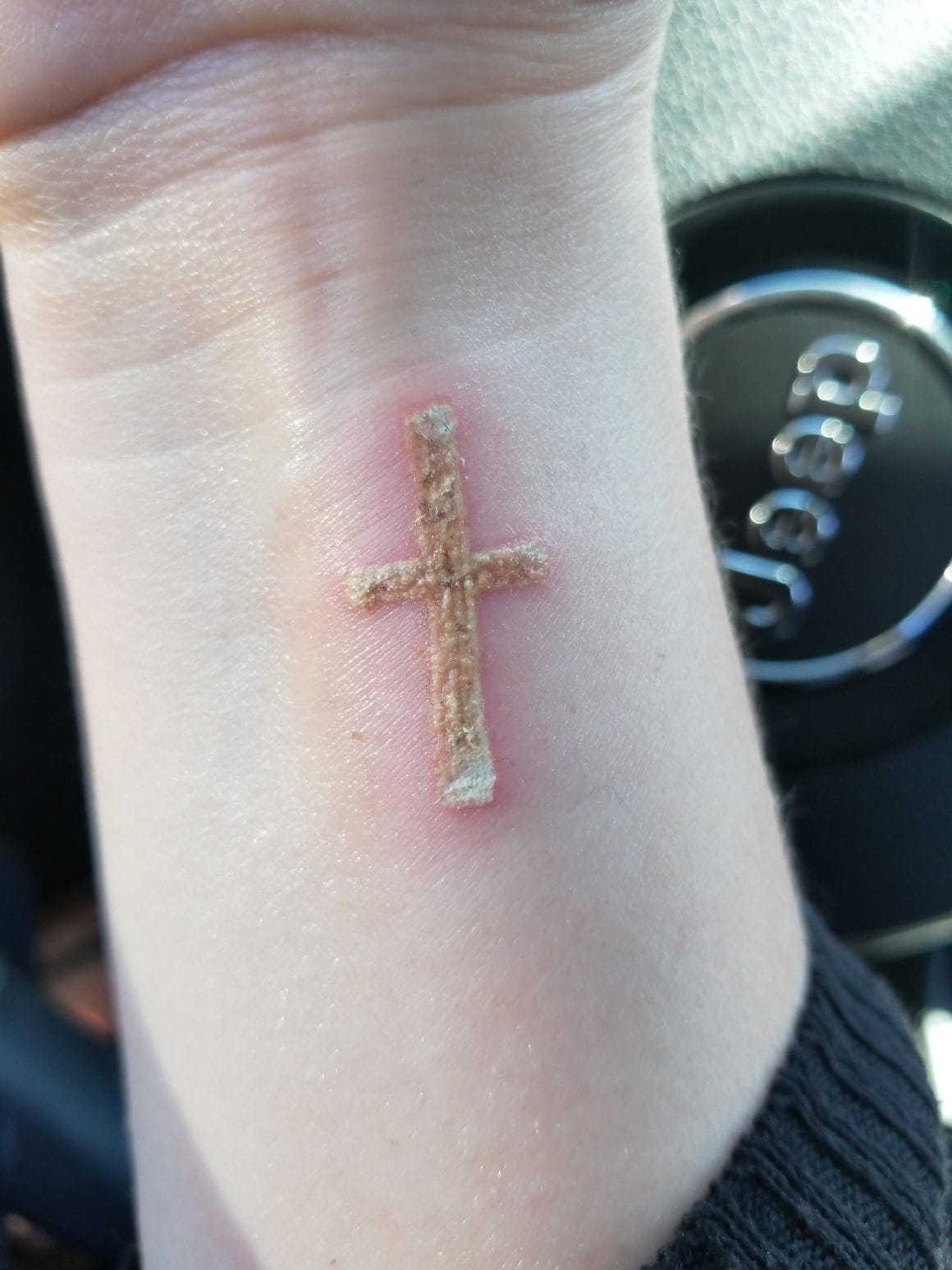
White Ink Tattoo Healing: What You Need to Know
White ink tattoos can be tricky to heal due to their unique composition—often requiring patience and proper aftercare. Unlike traditional ink, white ink tends to dry faster and can sometimes appear patchy or uneven during the healing process. This makes understanding the tattoo healing stages day by day essential. The process can feel overwhelming at first, but with the right care, your skin will recover smoothly. Blow out or white ink healing!!?
White ink tattoos heal differently than black ink—this is because they don’t penetrate the skin as deeply. The healing process is slower and more delicate, requiring consistent moisturizing and avoiding picking. Always keep the area clean and protected from sun exposure.
Don’t rush the healing phase. It’s normal to see flaking or slight discoloration early on. Following a proper aftercare routine helps prevent scabbing and ensures the ink stays vibrant. For detailed guidance on stick and poke aftercare, check out our aftercare for stick and poke tattoos guide.
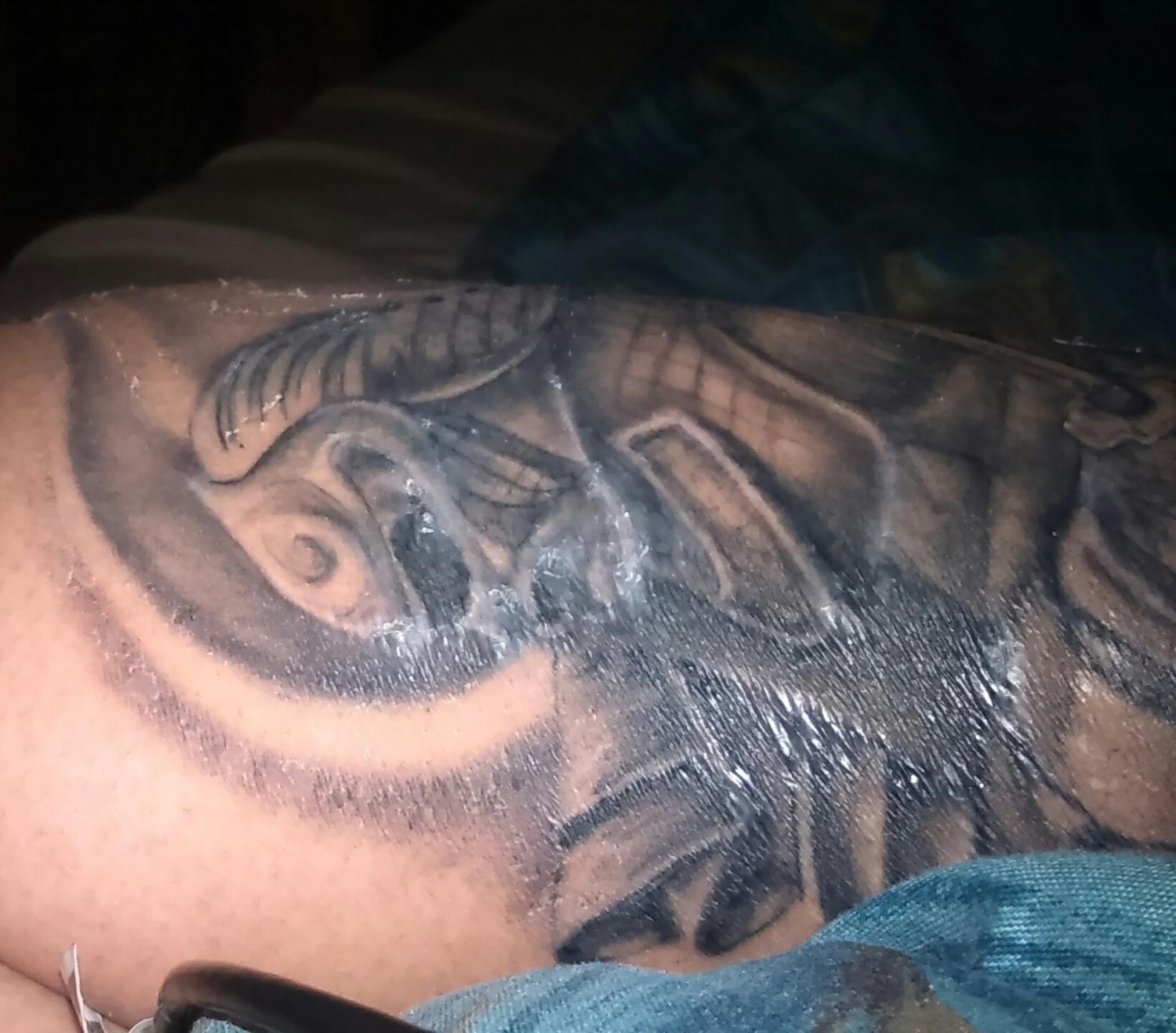
White Ink Tattoo Healing: What to Expect?
White ink tattoos can be tricky to heal due to their unique properties—often requiring patience, proper aftercare, and a bit of understanding. The process differs from black ink, especially when it comes to fading, flaking, and skin reaction. Blow out or white ink healing!!? That question comes up often, and it’s not just about aesthetics—it’s about how your skin responds. Healing takes time, and knowing what to do each step helps prevent scabbing, discoloration, or irritation. Understanding the white ink tattoo healing process is key to achieving a clean, long-lasting result.
White ink tattoos heal differently than black ones—expect flaking, dryness, and possible peeling. Proper care is essential to avoid scarring or uneven tones.
Keep skin moisturized, avoid sun exposure, and be patient during the healing phase.
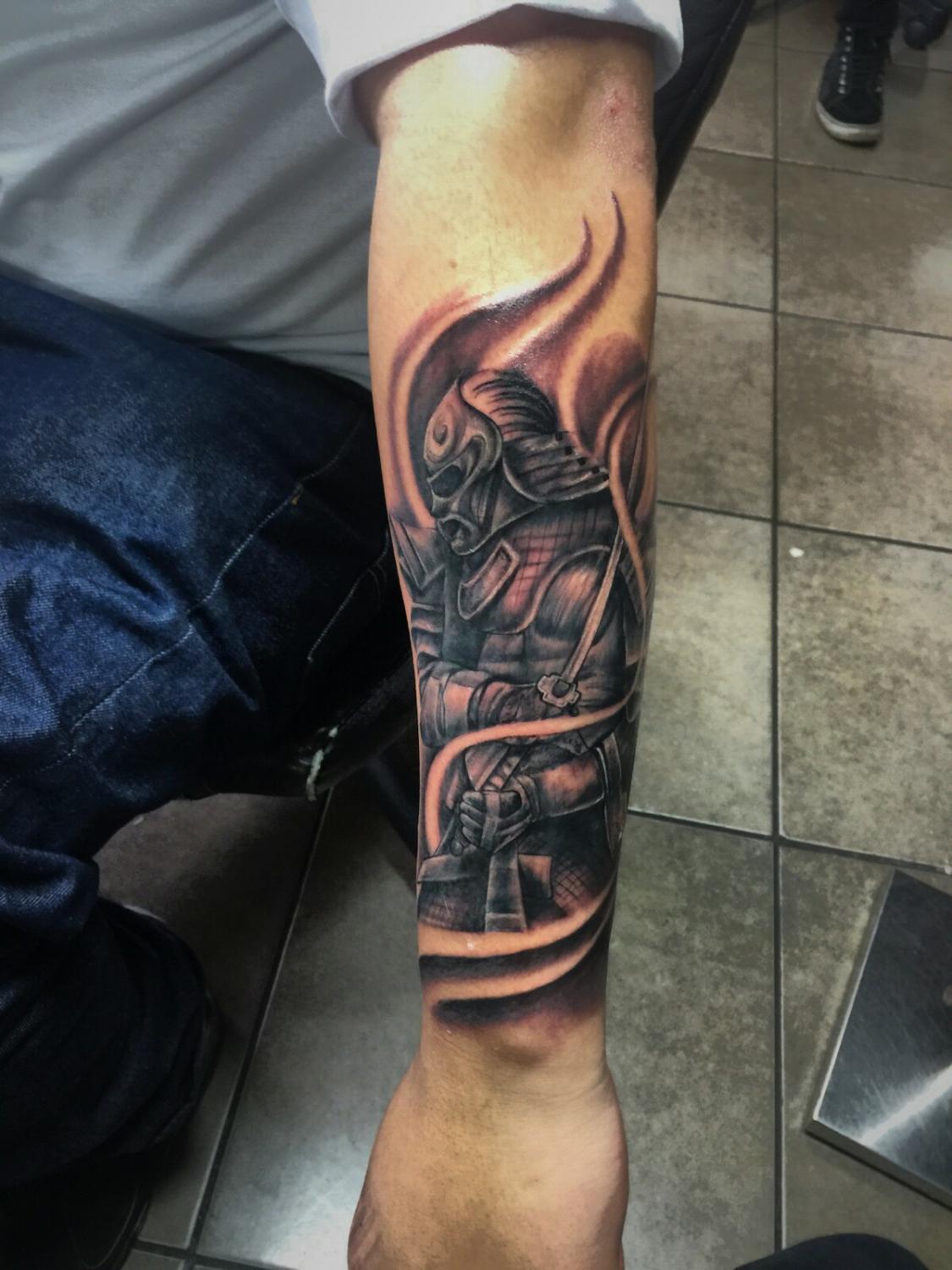
Healing White Ink Tattoos: What to Expect
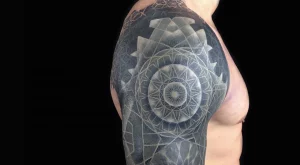
Healing a white ink tattoo, especially one focused on blackout styles, can be tricky but manageable with the right care. Unlike traditional ink, white ink requires patience and gentle aftercare to avoid scabbing or fading. The healing process involves keeping the skin hydrated, protecting it from sunlight, and avoiding picking. This method works best when applied correctly and respected over time. Style focus: White ink on blackout tattoos offers a striking contrast that demands a slower, more thoughtful recovery.
White ink tattoos heal differently—slower, more sensitive—so understanding the process is key. Proper aftercare prevents irritation and ensures vibrant results.
Keep skin moisturized and avoid sun exposure during healing to preserve the white ink’s clarity.

How White Ink Tattoos Heal Over Time
White ink tattoos heal differently than black ones—slower, more delicate, and requiring extra care. The ink doesn’t fade like traditional ink, so the skin needs time to adjust. Understanding the white ink tattoo healing process helps you avoid irritation, scabbing, and uneven results. Proper aftercare ensures your tattoo retains its crispness and clarity as it matures.
White ink tattoos take longer to heal due to their unique composition and how they interact with skin cells.
Healing involves moisture balance, avoiding sun, and gentle cleaning to prevent infection and preserve the ink’s brightness.

How White Ink Tattoos Heal Over Time
White ink tattoos differ from traditional ink due to their unique healing journey. Unlike dark ink, which can be more aggressive on the skin, white ink tends to fade slowly and requires extra care. The healing process is often longer and more delicate, with the skin needing time to fully adjust. Understanding the stages—like flaking, peeling, and skin renewal—helps ensure a smoother recovery. Proper aftercare, including moisturizing and avoiding sun exposure, plays a key role in achieving a natural, vibrant result. White ink tattoo healing process is both fascinating and essential for long-term satisfaction.
White ink tattoos heal differently than black ink, often taking longer and requiring consistent care.
The healing process involves peeling, moisture balance, and skin regeneration—key steps to avoid scarring or discoloration.
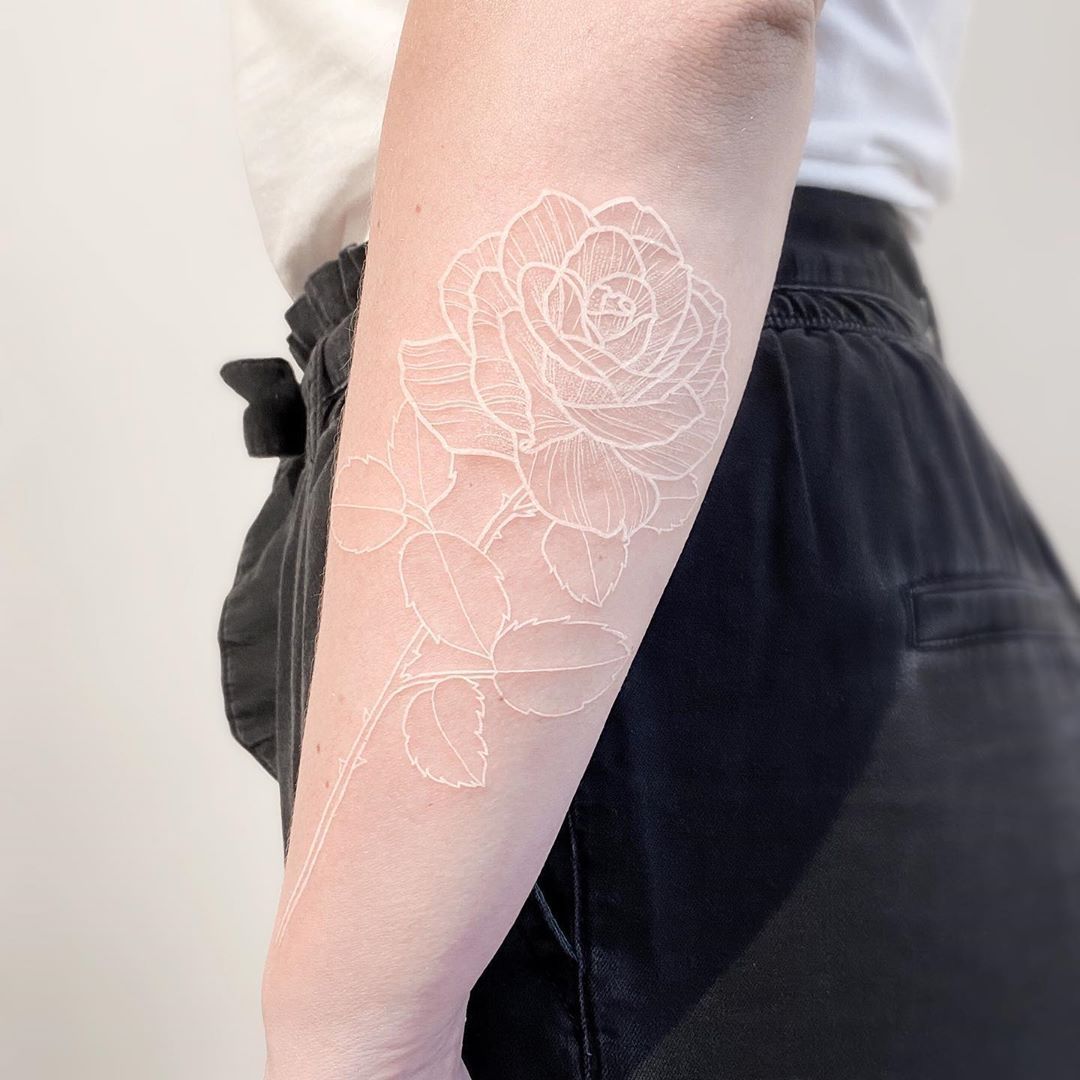
The white ink tattoo healing process requires patience, consistent moisturizing, and sun protection. Following these practices guarantees a clear, vibrant finish that stands the test of time.