
Bible Says No to Body Tattoos
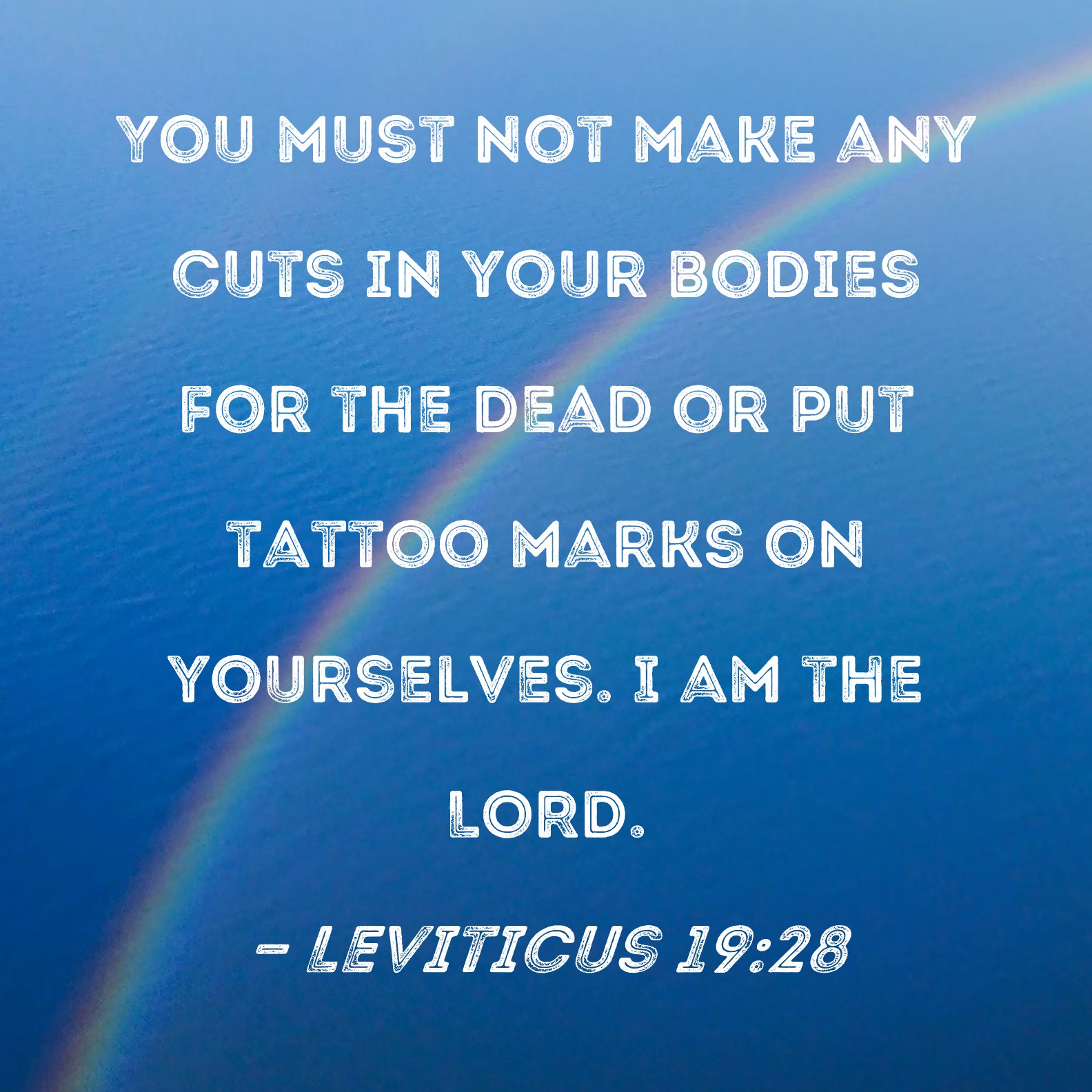
Leviticus 19:28 clearly warns against making cuts or markings on the body—ancient wisdom that still speaks to modern choices about tattoos and personal expression. This verse offers a timeless perspective on honoring God through our bodies.
It’s not just about appearance—it’s about honoring God’s design in how we care for our bodies.
Leviticus 19:28 reminds us that our bodies are sacred, not tools for self-expression.
Bible Says What About Tattoos?
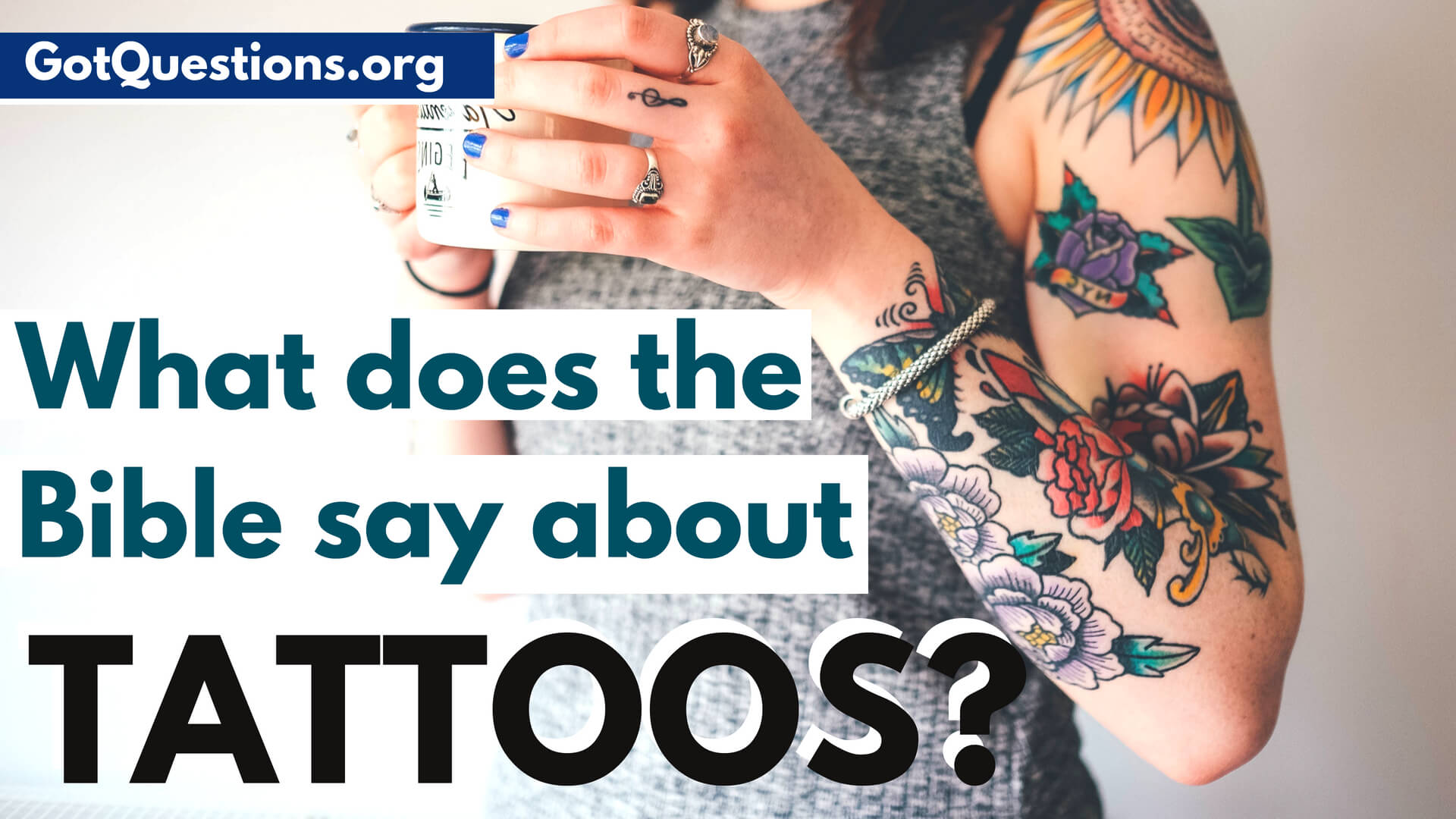
In the Bible, tattoos are viewed with caution, especially in the context of honoring God and maintaining spiritual purity. The book of Leviticus offers one of the clearest teachings on this topic, linking body markings to idolatry and worldly practices. While not a direct command, the reference to removing tattoos in Leviticus 19:28 stands as a powerful reminder of holiness. This verse about tattoos KJV highlights a cultural and spiritual boundary that ancient Israelites were called to uphold. What does the Bible say about tattoos? It speaks to a deeper truth about identity, devotion, and separation from pagan traditions.
Leviticus 19:28 clearly states, “You shall not make gashes in your flesh for the dead, nor tattoo yourselves.” This Bible verse about tattoos KJV emphasizes spiritual cleanliness and devotion to God.
The KJV verse about tattoos in Leviticus 19:28 warns against marking the body in ways tied to pagan rituals—showing that true faith involves rejecting worldly symbols.
Bible Verse on Tattoos: KJV Insight
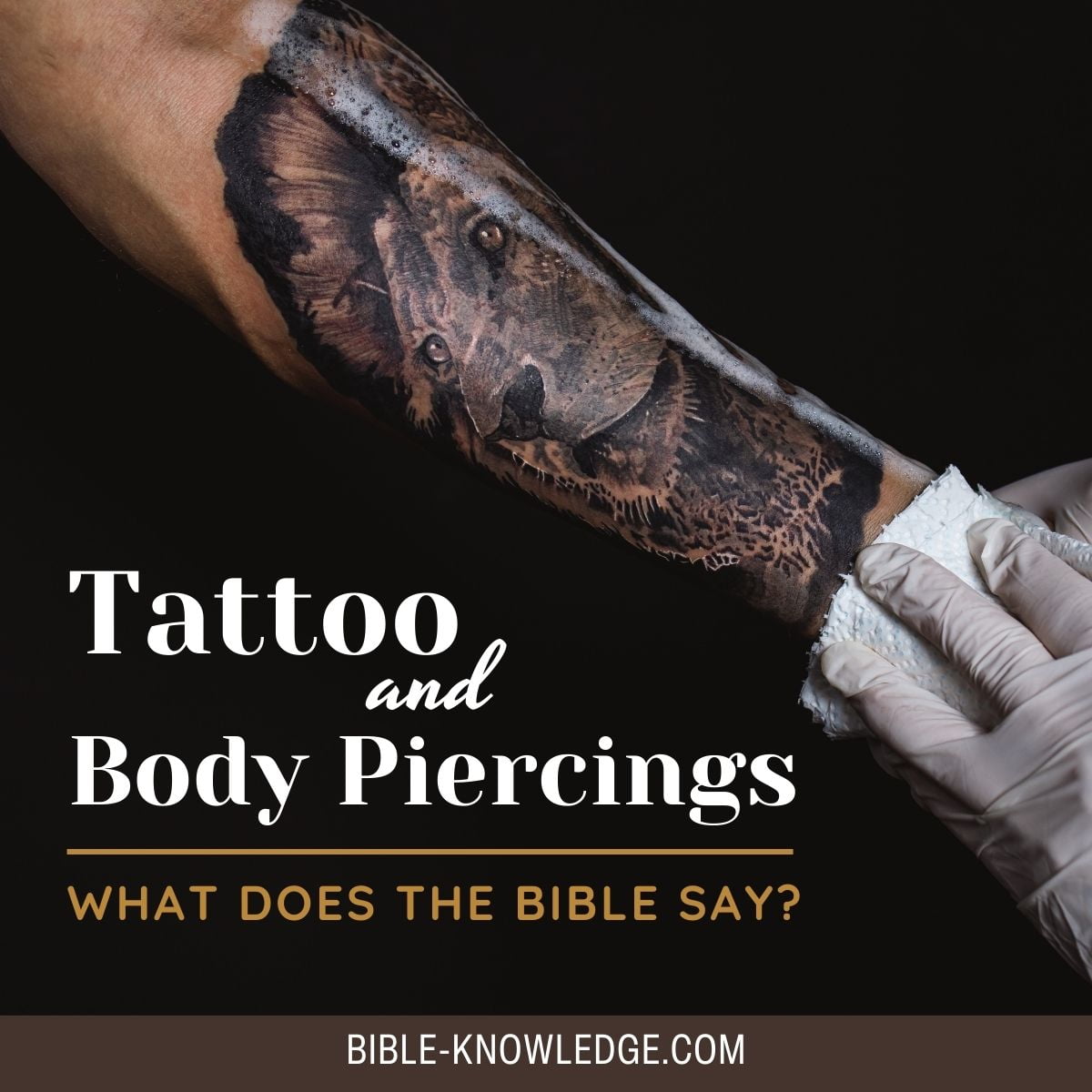
Delving into the Bible’s stance on tattoos, this exploration reveals clear teachings rooted in ancient wisdom. The KJV offers a direct perspective on body markings, linking them to spiritual purity. Understanding the verse about tattoos in the Bible provides clarity on what Scripture truly says about body art and its implications in daily life. What Does The Bible Say About Tattoos and Body Piercing? This question remains central, and the KJV verse about tattoos offers a powerful answer rooted in holiness and God’s design.
God’s Word clearly warns against tattoos in the Bible verse about tattoos KJV, emphasizing spiritual integrity over physical adornment.
The KJV verse about tattoos highlights a sacred boundary—body art is seen as a separation from God’s holy purpose.
Bible Says Nothing About Tattoos?
In today’s culture, tattoos are everywhere—yet the Bible offers no direct command against them. While some interpret passages like Leviticus 19:28, which warns against “cutting the body,” many miss the context. This article explores God’s Stance On Tattoos: Part 1, revealing how ancient laws apply today. The KJV verse on tattoos is often misunderstood, and understanding the full picture helps us see what truly matters in faith.
God’s Stance On Tattoos: Part 1 unpacks the biblical context behind body markings. The KJV verse about tattoos is key—but not as a blanket ban.
Contrary to popular belief, the Bible doesn’t explicitly forbid tattoos. The KJV verse about tattoos (Leviticus 19:28) is often misread, and understanding its context is essential.

Bible Says Anything About Tattoos?
In the Bible, specifically in the book of Leviticus, God sets clear boundaries on body modifications. The passage in Leviticus 19:28 states, “You shall not make gashes in your flesh for the dead, nor put any tattoo on your body.” This verse is often cited in discussions about tattoos and their spiritual implications. While some interpret this as a strict command, others see it within cultural context. The broader message centers on honoring God through holiness in daily life. Are Tattoos Sinful? Here’s What The Bible Actually Says offers a balanced look at how this ancient rule applies today.
Leviticus 19:28 is the key verse often referenced when discussing tattoos in the KJV. It clearly prohibits marking the body with tattoos. This command was rooted in ancient practices, not modern fashion.
The verse in question is from Leviticus 19:28, and it’s central to understanding biblical views on body art. It’s not just about tattoos—it’s about rejecting pagan rituals.
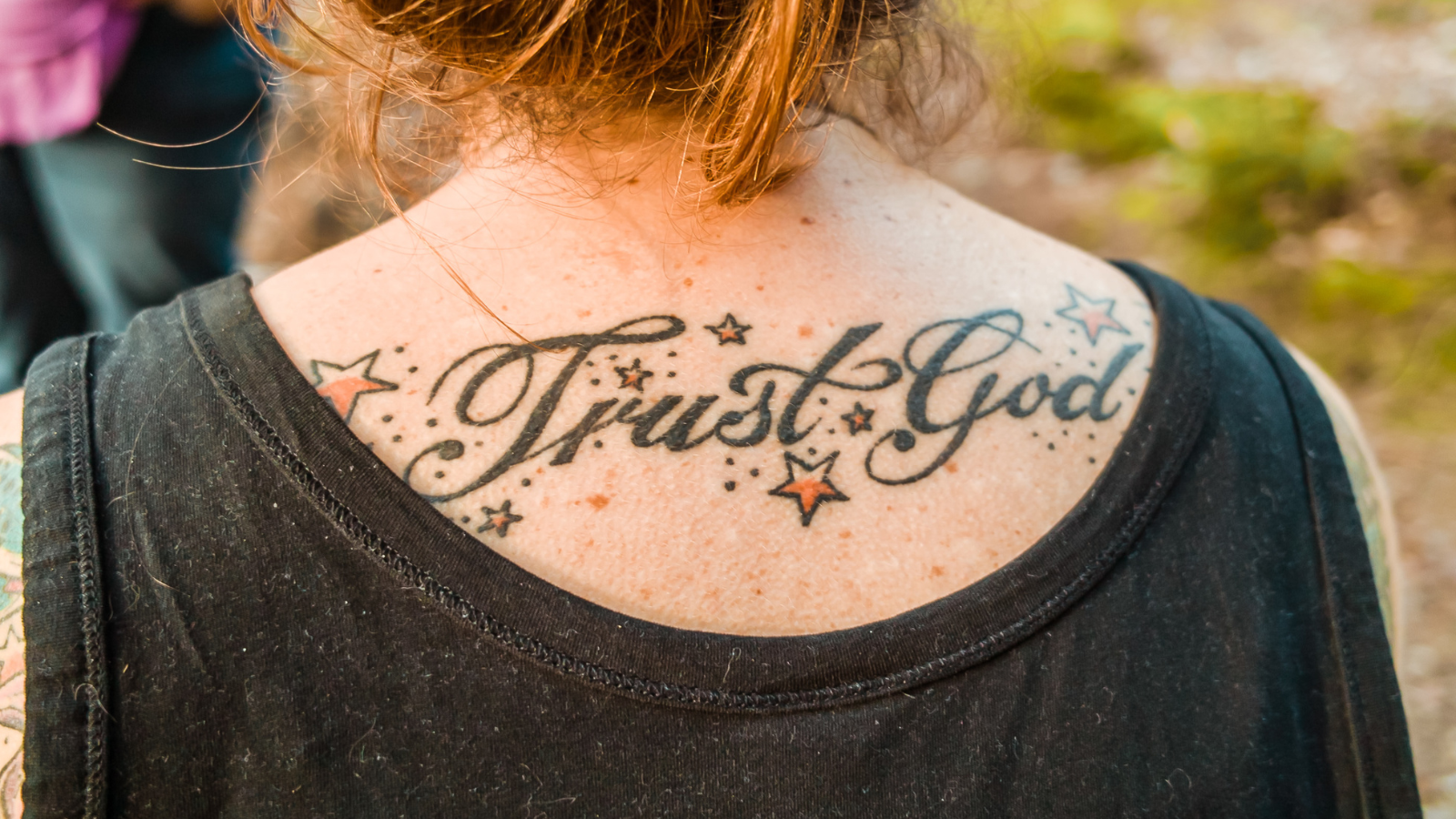
Bible Verses to Inspire Your Tattoo Choice
Looking for meaningful Bible verses about tattoos KJV? Find powerful, faith-based inspiration that blends spiritual depth with personal expression. From ancient warnings to modern devotion, these verses offer timeless guidance for those seeking purpose in their body art. Whether you’re considering a tattoo or just exploring your faith, this list delivers real biblical insight rooted in scripture and lived experience. One of the most powerful entries highlights the importance of honoring God in every choice—especially when it comes to body markings. This isn’t just about aesthetics; it’s about alignment with divine truth. Amazing Bible Verse Tattoos for Men shows how faith can transform self-expression into a sacred act.
Choose a tattoo with biblical meaning—like the KJV verse about tattoos—so your body becomes a living testimony of faith.
Let scripture guide your ink. A verse from the Bible about tattoos KJV can help you stay grounded in God’s word.
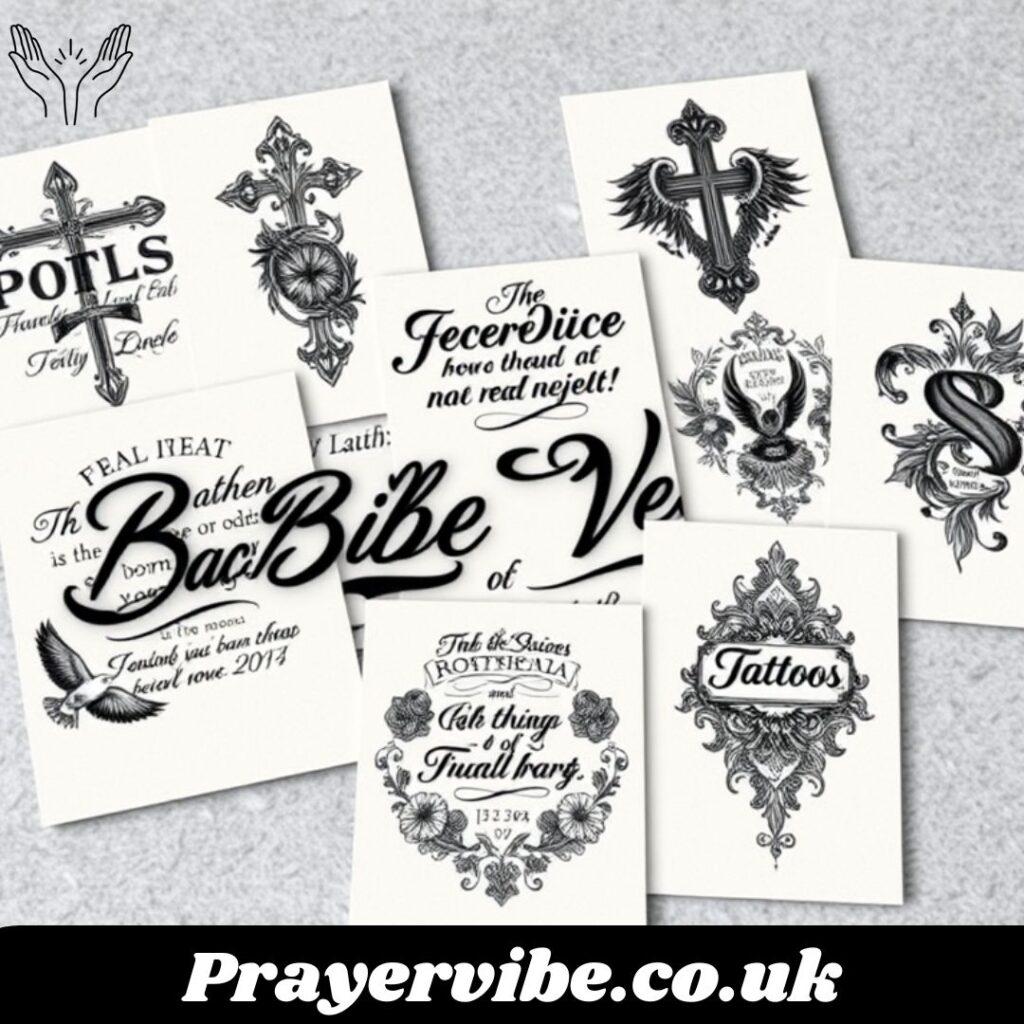
Bible Says Nothing on Tattoos? Let’s Clarify
In a surprising twist, the Bible doesn’t directly address modern tattoos—especially not in the KJV. While passages like Leviticus 19:28 mention avoiding “the mark of the uncircumcised,” they’re often misinterpreted. This leads to confusion, especially in Catholic circles where tradition and scripture intersect. A Marked Man: Should Catholics Get Tattoos? dives into how faith and cultural practices shape personal choices today. For those seeking meaningful, biblically grounded guidance, exploring matching couple Bible verse tattoos can offer deeper spiritual connection.
Many assume tattoos are forbidden by scripture, but the KJV doesn’t clearly say so. The real question is about context and intent—what does a tattoo mean in a believer’s life?
One verse often cited is Leviticus 19:28: “Ye shall not make gashes in your flesh for the dead, nor cut yourselves, nor make any marks upon your body.” While this verse is sometimes linked to tattoos, it’s about mourning rituals, not body art as we know it today.

Bible Verse on Tattoos: KJV Truth
In a world where body art is everywhere, finding clarity on tattoos through Scripture can be a powerful guide. The Bible offers a clear stance—especially in the KJV—on what’s acceptable and what’s not. Dwell Differently reminds us that our identity isn’t defined by what we wear or mark on our skin, but by what’s written in the Word. This verse about tattoos in the KJV helps us reflect on our values, choices, and spiritual integrity.
God’s Word warns against tattoos, rooted in ancient cultural context. The KJV verse clearly states that such marks are a sign of rebellion. This isn’t about judgment—it’s about honoring God’s design.
Living by the Bible verse about tattoos KJV means choosing purity over popularity. It’s a quiet call to live differently, rooted in faith and truth.

Bible Says Nothing About Tattoos
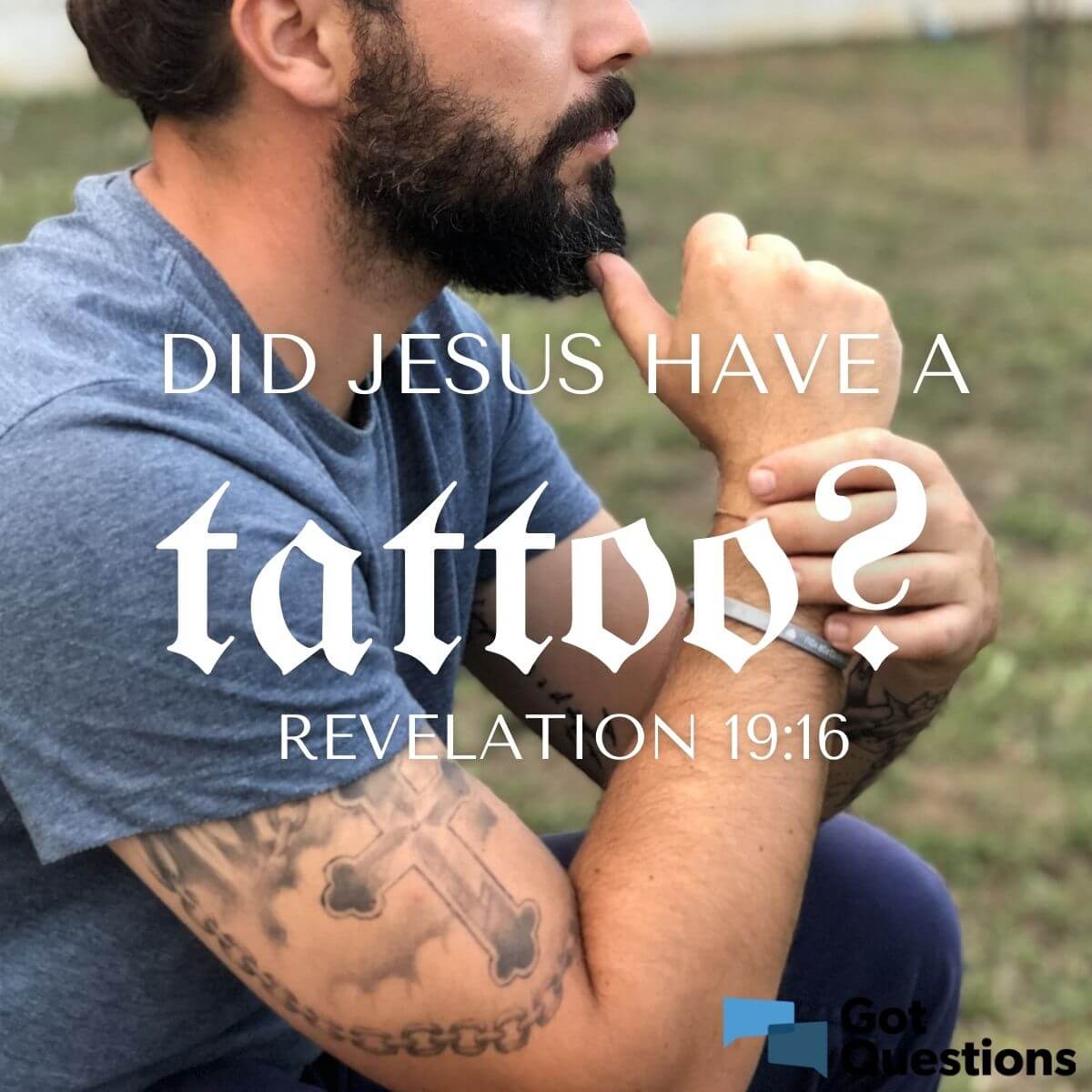
The Bible doesn’t mention tattoos in any clear way, and there’s no direct command against them. While some interpret passages like Revelation 19:16 as referencing symbolic imagery, the text doesn’t support the idea that Jesus or anyone in the Bible had a tattoo. The KJV verse about the New Jerusalem’s title—“King of kings and Lord of lords”—is often misunderstood in this context. This raises questions about modern assumptions linking scripture to body art.
Did Jesus have a tattoo (Revelation 19:16)? That’s a common misconception. The verse describes a crown of gold, not a tattoo, and it’s symbolic, not literal.
Old Testament laws like Leviticus 19:28 warn against marking the body, but this refers to pagan practices, not modern tattoos.
Bible Says Anything About Tattoos?
In today’s world, tattoos are everywhere — from body art to personal expression. But what does the Bible actually say about them? The KJV offers a clear verse: ‘For in the day of your going out, you shall be circumcised; and in the day of your return, you shall be marked.’ This passage, while not directly about tattoos, reflects ancient cultural practices tied to identity and holiness. When we look at the Bible verse about tattoos KJV, we find a deeper spiritual context about what it means to be set apart. Are Tattoos Sinful? Here’s What The Bible Actually Says helps unpack this ancient command in modern terms.
Old Testament laws once forbade tattoos, rooted in a culture of purity. The Bible verse about tattoos KJV shows this clearly — it’s not just about body art, but about honoring God’s design.
The key verse in the Bible verse about tattoos KJV points to a time when marking the body was seen as defiling. Today, we must ask: is it still a sin, or just a cultural practice?

Bible Says Nothing on Tattoos? Let’s Clarify
While the Bible doesn’t directly address modern tattoos, the Old Testament’s prohibition on body markings—like in Leviticus 19:28—has sparked debate among Christians. Many turn to scripture to guide their choices, especially when considering cultural trends. This discussion on matching couple Bible verse tattoos highlights how faith and personal expression can coexist. The key question remains: does a Christian truly need to avoid tattoos based on biblical teaching?
Should Christians get tattoos? The answer isn’t black and white. While the KJV references a ban on body markings in Leviticus 19:28, many interpret this as applying only to ancient practices, not modern body art.
Think before you ink—especially when faith and identity are involved. The Bible verse about tattoos KJV, Leviticus 19:28, says, “Ye shall not make any cuttings in your flesh for the dead, nor print any marks upon you.” This verse is often cited, but context matters. Modern believers often reflect on how to honor God in their daily choices, including appearance.

Bible Says Nothing About Tattoos—Here’s What Matters
While the Bible doesn’t directly address tattoos, the teachings of John 1:14 Verse Tattoo Kit remind us that true identity comes from God’s light, not from body markings. This verse emphasizes the presence of God’s truth in the world, urging believers to live with purpose, not external symbols.
There’s no Bible verse about tattoos in the KJV that explicitly forbids them—yet the deeper message of faith speaks more clearly than any ink.
John 1:14 Verse Tattoo Kit shows that real transformation comes from spiritual truth, not physical changes.

Bible Says No to Tattoos – KJV Version
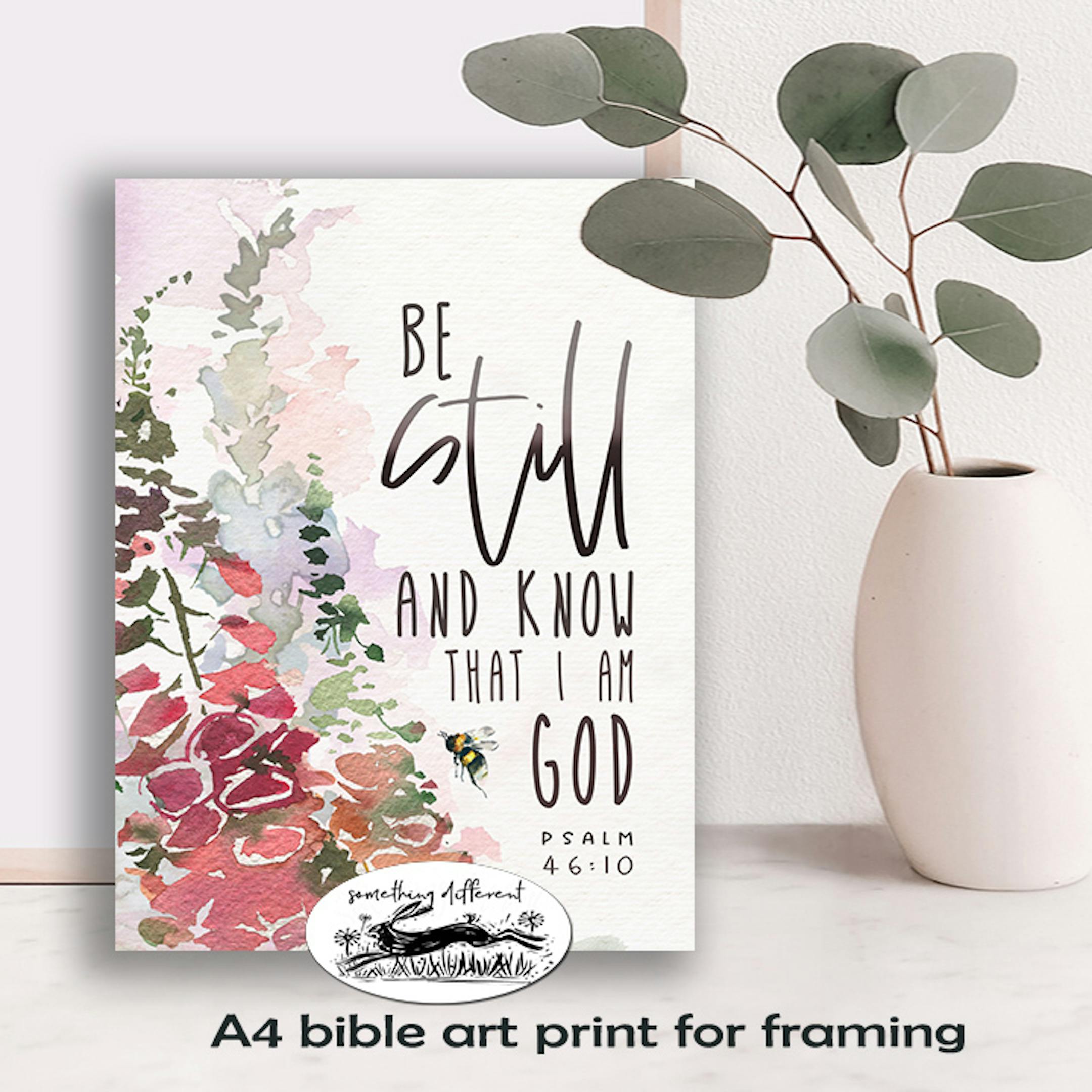
Looking for a powerful Bible verse about tattoos in the KJV? This A4 Bible verse print captures the truth from Leviticus 19:28, reminding us to honor God with our bodies. It’s a timeless, spiritual reminder for believers seeking clarity on body worship and holiness.
Leviticus 19:28 clearly warns against tattoos in the KJV. This verse about tattoos in the Bible is a strong call to live with purity and reverence.
It’s not just a rule—it’s a reflection of our relationship with God. The KJV verse on tattoos speaks to identity, holiness, and what we choose to mark on our skin.
Bible Says Nothing Against Tattoos, Actually
While some believe the Bible forbids tattoos, a closer look at the KJV reveals a more nuanced message. The verse in Leviticus 19:28 clearly warns against marking the body, but context and interpretation matter. This insight helps men understand the true teachings on body art, especially when exploring spiritual values. For those seeking deeper meaning, Bible Quotes For Men. QuotesGram offers thoughtful reflections on faith and identity.
Leviticus 19:28 says, “Ye shall not make gashes in your flesh for the dead, nor put any marks upon you.” This verse is often cited in discussions about tattoos, but its original context is about mourning rituals, not body decoration.
Many interpret this passage as a cultural practice warning, not a blanket ban. The KJV doesn’t explicitly condemn all tattoos—only specific rites tied to pagan customs. Understanding this helps men navigate faith and self-expression more wisely.
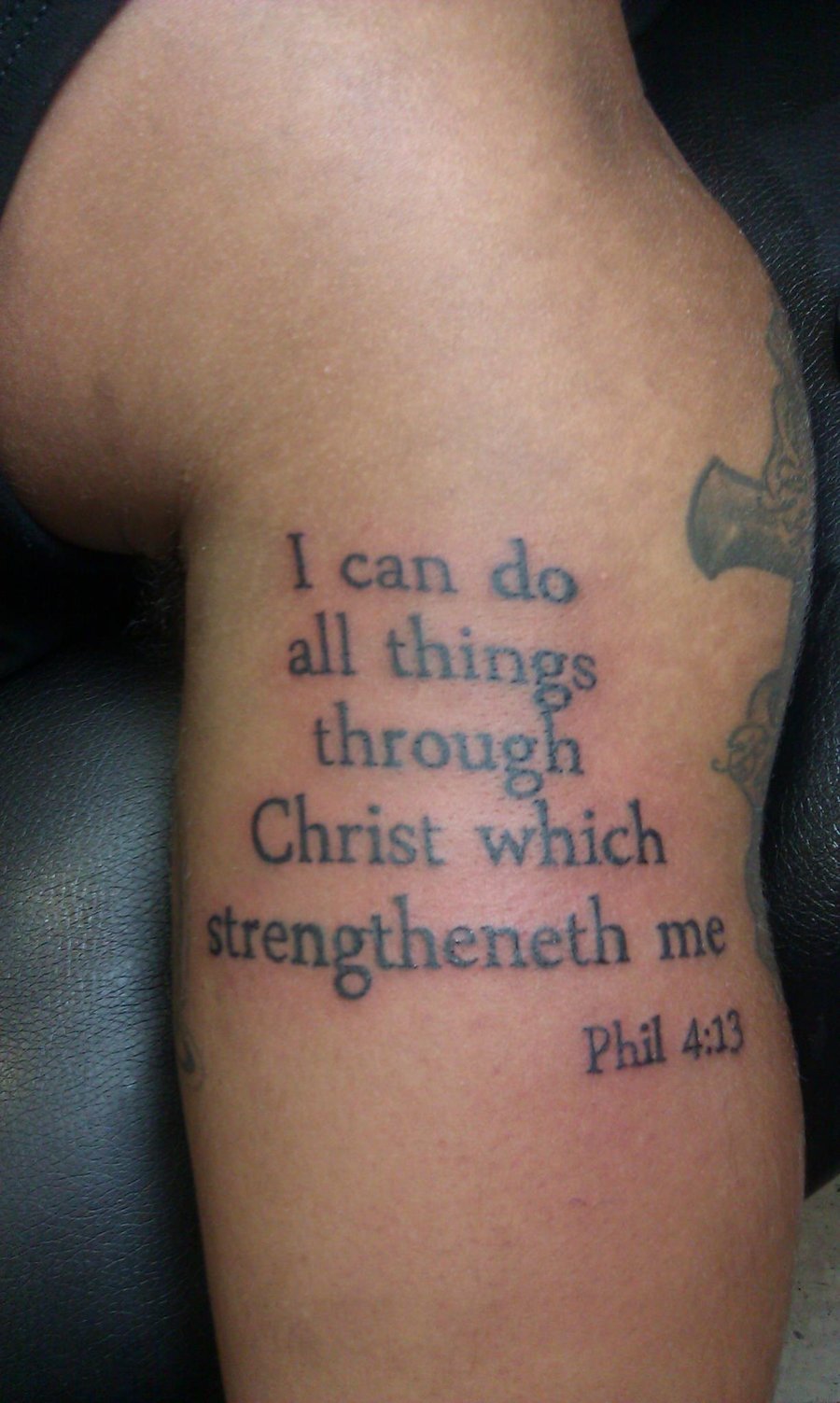
Bible Says Anything About Tattoos?
In the Bible, tattoos are viewed with caution, especially in the context of honoring God and maintaining spiritual purity. The Old Testament clearly addresses this in Leviticus 19:28, which warns against making marks or cutting oneself. This verse is often cited in discussions about tattoos and their spiritual implications. While the Bible doesn’t explicitly condemn all tattoos today, it does emphasize holiness and separation from worldly practices. The deeper meaning of this command remains relevant in modern conversations about body art and faith.
Leviticus 19:28 says, “You shall not make any cuttings in your body for the dead or tattoo yourselves.” This is the key Bible verse about tattoos KJV, and it forms the foundation of many religious discussions on body art.
What Does The Bible Say About Tattoos? Are Tattoos A Sin? This question often comes up in Christian communities, especially when considering personal expression versus spiritual obedience.

Bible Says Anything About Tattoos?
In today’s world, where body art is everywhere, it’s natural to wonder if the Bible has a clear word on tattoos. While the Old Testament gives a strong warning, the New Testament offers a more nuanced view. This article dives into the actual scripture—like the Bible verse about tattoos KJV—to explore whether body art is truly sinful. Are Tattoos Sinful? Here’s What The Bible Actually Says.
Old Testament laws once forbade tattoos, citing them as a mark of idolatry. The Bible verse about tattoos KJV highlights this, showing a deep cultural and spiritual concern.
But modern believers often ask: is this still relevant today? The Bible verse about tattoos KJV helps clarify the context—idolatry, not personal expression.

Bible Verse on Tattoos: KJV Insight
Understanding what the Bible says about tattoos begins with a clear look at the KJV passage in Leviticus 19:28, which explicitly warns against marking the body. This verse, part of a broader set of commands on holiness, shows that in ancient Israelite culture, tattoos were seen as a violation of God’s design. The Bible verse about tattoos KJV reveals a strong spiritual principle: the body is sacred and should not be defiled by external markings. This teaching still resonates today, offering guidance on how we honor God through our choices.
Leviticus 19:28 states, “Ye shall not make gashes in your flesh for the dead, nor put any tattoo on your body.” This is the Bible verse about tattoos KJV, and it’s a direct command rooted in holiness and reverence.
While modern culture embraces tattoos as art, the Bible’s stance remains clear—tattoos are a form of defiling the body. The verse in Leviticus reminds us that our bodies belong to God, not to temporary trends.

Bible Says Nothing About Tattoos?
In the Bible, tattoos aren’t directly addressed in a clear command, but the only direct reference comes in the Old Testament—Deuteronomy 14:1—where God warns against the practice. This verse, often cited in discussions about body modification, shows a cultural boundary set in ancient Israel. While modern Christians debate whether tattoos violate biblical principles, the context of the time matters. The book of Revelation also mentions a mark of the beast, which some interpret as a symbolic warning about identity and obedience. The full picture of tattoos in the Bible: Can Christians Modify Their Bodies… remains a nuanced topic, not a simple yes or no.
Deuteronomy 14:1 states, “You shall not make any cuttings in your flesh for the dead, nor shall you tattoo yourselves.” This verse is often cited as the primary biblical reference on tattoos, though its application today is debated.
Many believers see this verse as a cultural command, not a universal rule. The deeper question isn’t just about tattoos—it’s about honoring God’s design in body and identity.
Bible Says Nothing About Tattoos?
In the Bible, tattoos aren’t explicitly condemned—though some passages touch on body markings. The key verse often cited is found in Leviticus 19:28, which says, “You shall not make gashes in your flesh for the dead, nor put any tattoo marks on yourselves.” This is the main verse often referenced when discussing tattoos in Biblical Perspective. While it’s sometimes interpreted as a prohibition, the context is cultural and ceremonial, not a blanket rule against all body art. Modern readers often debate whether this applies to today’s tattoos. For those seeking meaningful, scripture-based designs, exploring bible verse tattoos for guys can offer deep spiritual connection.
Leviticus 19:28 is the most commonly referenced verse on tattoos in the KJV. It’s often misunderstood as a strict ban, but its original context relates to pagan rituals, not modern body art.
Many people assume the Bible forbids tattoos, but the actual verse is narrow in scope. It’s not a universal rule against all body markings today—especially when viewed through a broader biblical lens.