
Ink poisoning from a tattoo is a real concern that can quietly affect your health. As more people get inked, the risk of harmful chemicals entering the body grows.
Understanding the ingredients in tattoo inks and inspecting the studio’s safety practices can protect you from potential exposure.
If you notice unusual skin reactions after a tattoo, seek medical guidance promptly.
What Happens If You Poison Yourself With Tattoo Ink?
Did you know tattoo ink isn’t just pigment—it’s loaded with chemicals that can be dangerous if absorbed into the body. Experts like Drs. Oz and Roizen have raised alarms about the toxins present in some inks, especially when they’re not properly regulated. While most tattoos are safe, the risk of ink poisoning from a tattoo shouldn’t be ignored, especially if you’re considering a procedure with unverified or outdated practices.
Some tattoo inks contain heavy metals and synthetic compounds that can cause serious health issues if ingested or absorbed. Ink poisoning from a tattoo is a real concern, especially with poorly made or expired ink.
Even small exposures might lead to long-term effects. Be cautious—your skin isn’t just a canvas.
Is Tattoo Ink Really Dangerous?
Concerns about ink poisoning from a tattoo have fueled online fears, but the truth is far more nuanced. While some tattoo inks contain heavy metals, most are safe when applied by licensed professionals. The real risks come from poor practices, not the ink itself. Ink Poisoning: Separating Tattoo Truth from Toxic Myths… highlights how myths often outpace facts, and understanding the science helps separate fear from reality.
Worries about ink poisoning from a tattoo are common—but they’re often based on misinformation. Most inks are non-toxic and regulated, with only a few containing trace metals.
Even if ink poisoning from a tattoo is rare, it’s crucial to choose a reputable studio and avoid unregulated or expired inks.

What Happens If You Get Ink Poisoning From a Tattoo?
Getting ink poisoning from a tattoo isn’t just a rare risk—it’s a real, dangerous condition that can arise from poor hygiene, cheap inks, or unregulated tattoo studios. While most tattoos are safe, the use of substandard materials or improper aftercare can lead to serious health issues. Understanding the signs and risks is crucial, especially when considering a stick’n’poke tattoo, which, while popular for its simplicity, still requires clean practices and trusted professionals to avoid contamination or allergic reactions.
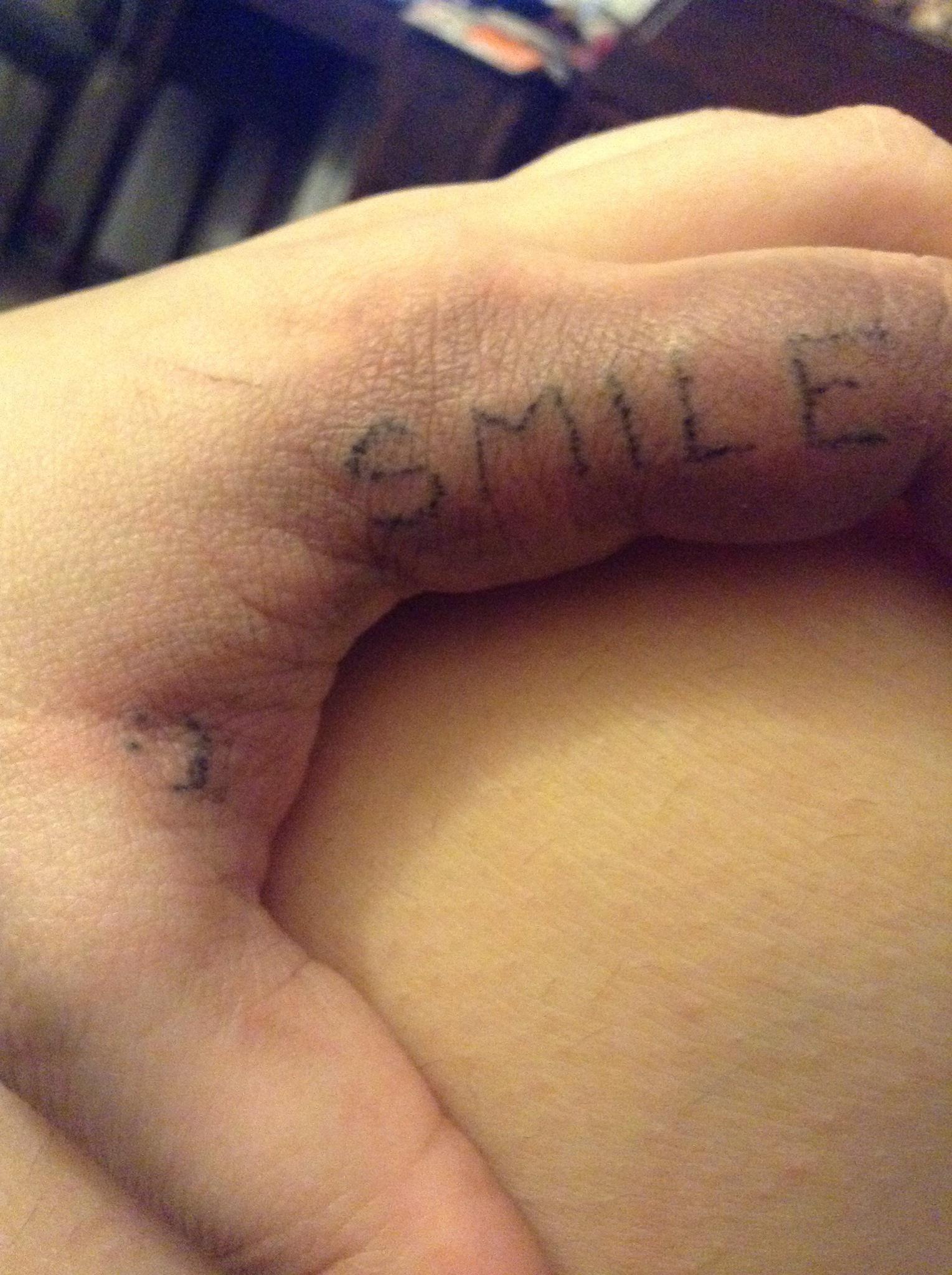
Stick’n’poke tattoos are trendy and quick, but they’re not without risks—especially if the ink or tools aren’t properly sanitized. One serious concern is ink poisoning from a tattoo, which can cause skin irritation, rashes, or even systemic symptoms if not caught early.
Always choose licensed artists and high-quality inks to reduce the risk of ink poisoning from a tattoo. Never skip aftercare, and watch for redness, swelling, or fever after getting any tattoo, including stick’n’poke designs.
Swimming with a New Tattoo Can Be Deadly
Swimming with a fresh tattoo might seem harmless, but it can lead to serious health risks—especially when ink poisoning from a tattoo goes unnoticed. A tragic case emerged when a man died after swimming with a new tattoo, highlighting how body art can have hidden dangers. This situation underscores the importance of proper aftercare and awareness. For those considering tattoos, especially in public settings, understanding the risks is crucial. Learn more about how tattoos can go wrong in real-life scenarios at stick and poke tattoo gone wrong.
Never assume a new tattoo is safe to swim with. The body’s healing process is delicate, and exposure to water can introduce bacteria or trigger allergic reactions. In rare cases, ink poisoning from a tattoo has been linked to severe health complications.
One man’s death after swimming with a new tattoo serves as a stark reminder—water can worsen skin infections or cause systemic reactions. Always wait for full healing before exposing your tattoo to water or chlorine.
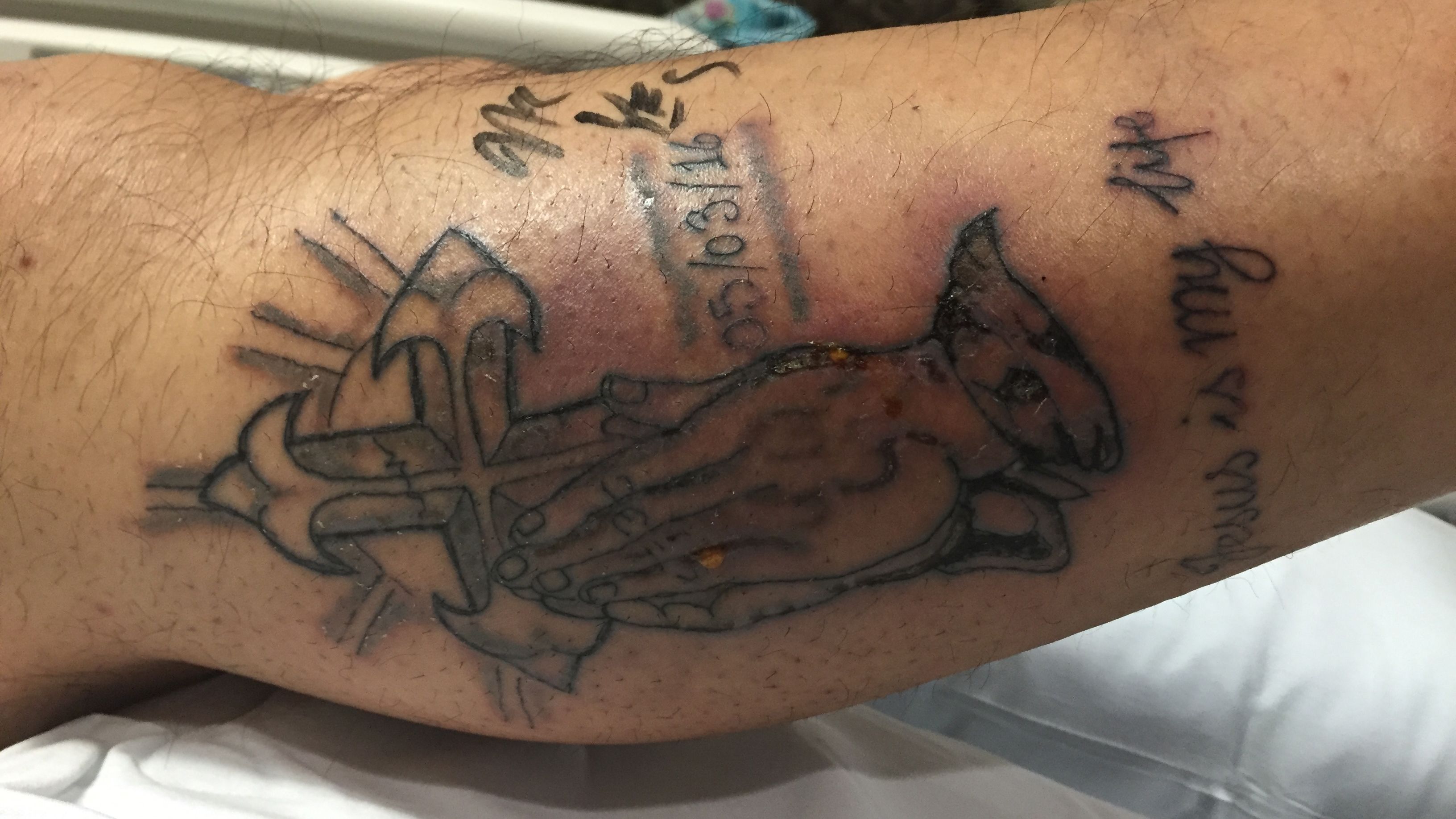
Is Tattoo Ink Really Dangerous?
Concerns about ink poisoning from a tattoo have fueled fear and misinformation online. While some myths suggest harmful chemicals can cause serious health issues, the reality is far more nuanced. Ink Poisoning: Separating Tattoo Truth from Toxic Myths … reveals that most tattoo inks are regulated and safe when applied by licensed professionals. Still, rare cases of allergic reactions or skin irritation do occur—especially with older or poorly formulated inks.
Yes, ink poisoning from a tattoo is a real concern, but it’s often exaggerated. Most inks are non-toxic and approved by health authorities.
Some believe tattoo ink can poison the body, but evidence shows it’s rarely dangerous when done properly.

Can Tattoo Ink Really Harm Your Health?
Concerns about tattoo ink safety have grown, especially as more people question whether the pigments used in tattoos could pose long-term health risks. While tattoos are often seen as a form of self-expression, recent studies suggest that the chemicals in tattoo ink may carry hidden dangers. Some experts warn that certain pigments could contribute to serious health issues over time. The idea that tattoo ink contains cancer has sparked debate, prompting people to reconsider their decisions. Though not all inks are harmful, the potential for toxicity—especially with older or poorly regulated tattoos—means awareness is key. If you’re thinking about getting inked, it’s worth understanding what’s actually in the ink and how it might affect your body.
Getting a tattoo isn’t just about aesthetics—it’s about what you’re putting into your skin. Some pigments have been linked to long-term health concerns, including possible cancer risks. Ink poisoning from a tattoo is a real concern for some, especially with outdated or unregulated inks.
Even if the risk seems low, tattoo ink contains cancer—some studies show certain dyes may be toxic over time. That’s why it’s important to research the ink and the artist before making a decision.
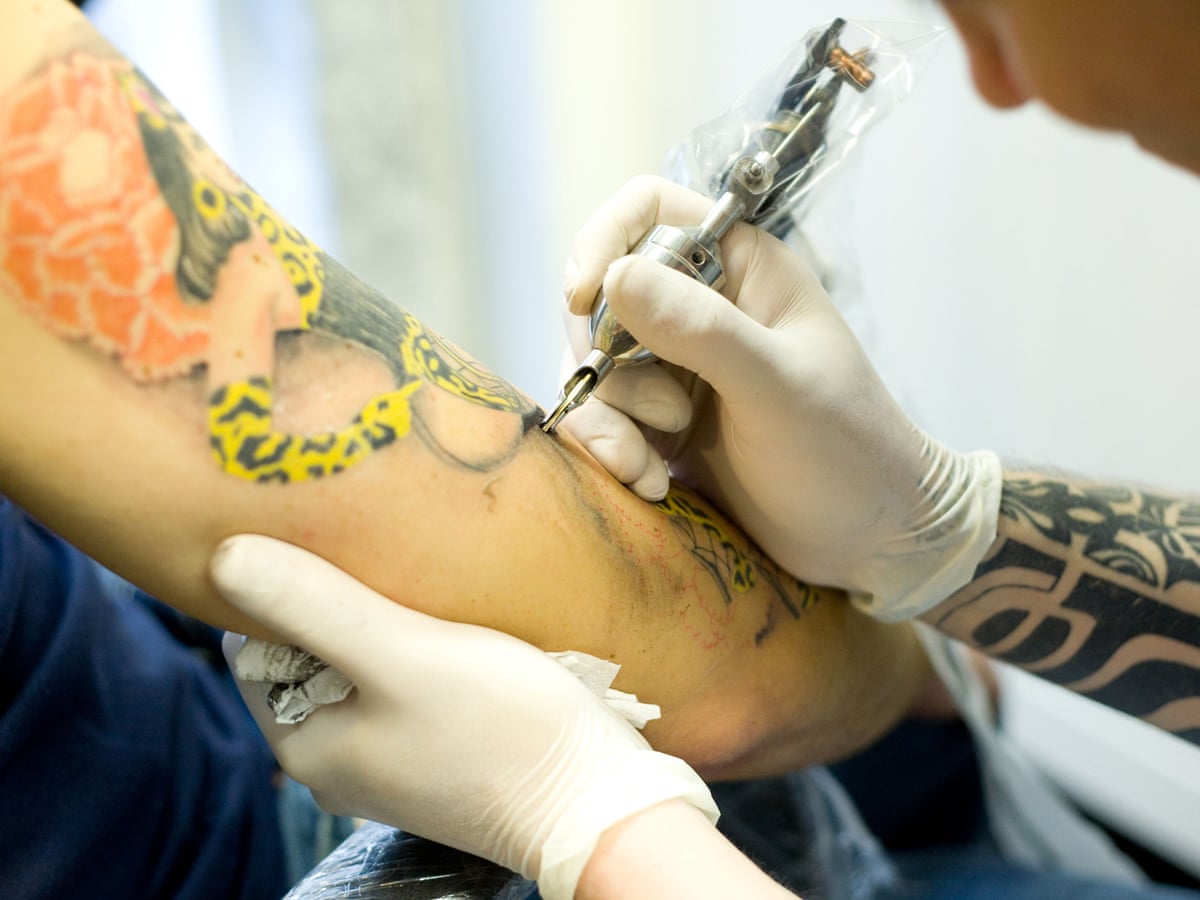
Is Tattoo Ink Really Dangerous?
Concerns about ink poisoning from a tattoo have sparked fear, but the reality is far more nuanced. While some tattoo inks contain potentially harmful chemicals, the risk of actual ink poisoning from a tattoo is extremely low—especially when done with reputable artists and certified inks. The idea that tattoos can cause systemic poisoning is largely a myth, though awareness of ink safety remains important. Ink Poisoning: Separating Tattoo Truth from Toxic Myths… highlights how misinformation often spreads faster than scientific evidence.
Most people worry about ink poisoning from a tattoo, but real dangers are rare and typically tied to poor practices or unregulated inks.
True ink poisoning from a tattoo is not common—safety standards and regulation help keep the risk minimal.

Can Tattoo Ink Make You Sick?
Concerns about ink poisoning from a tattoo are real—some pigments contain heavy metals and chemicals that could pose health risks, especially if absorbed through the skin. While most tattoos are safe, it’s important to understand what’s actually in the ink and how it might affect your body over time. Is Tattoo Ink Toxic? Do You Know What’s in Your Tattoo? This question isn’t just hypothetical—it’s backed by growing research on long-term exposure and potential toxicity.
Yes, ink poisoning from a tattoo is possible, especially with older or poorly regulated inks. Some components can be harmful if absorbed into the bloodstream.
Even small amounts of toxic pigments might contribute to health issues over time, especially in sensitive individuals.
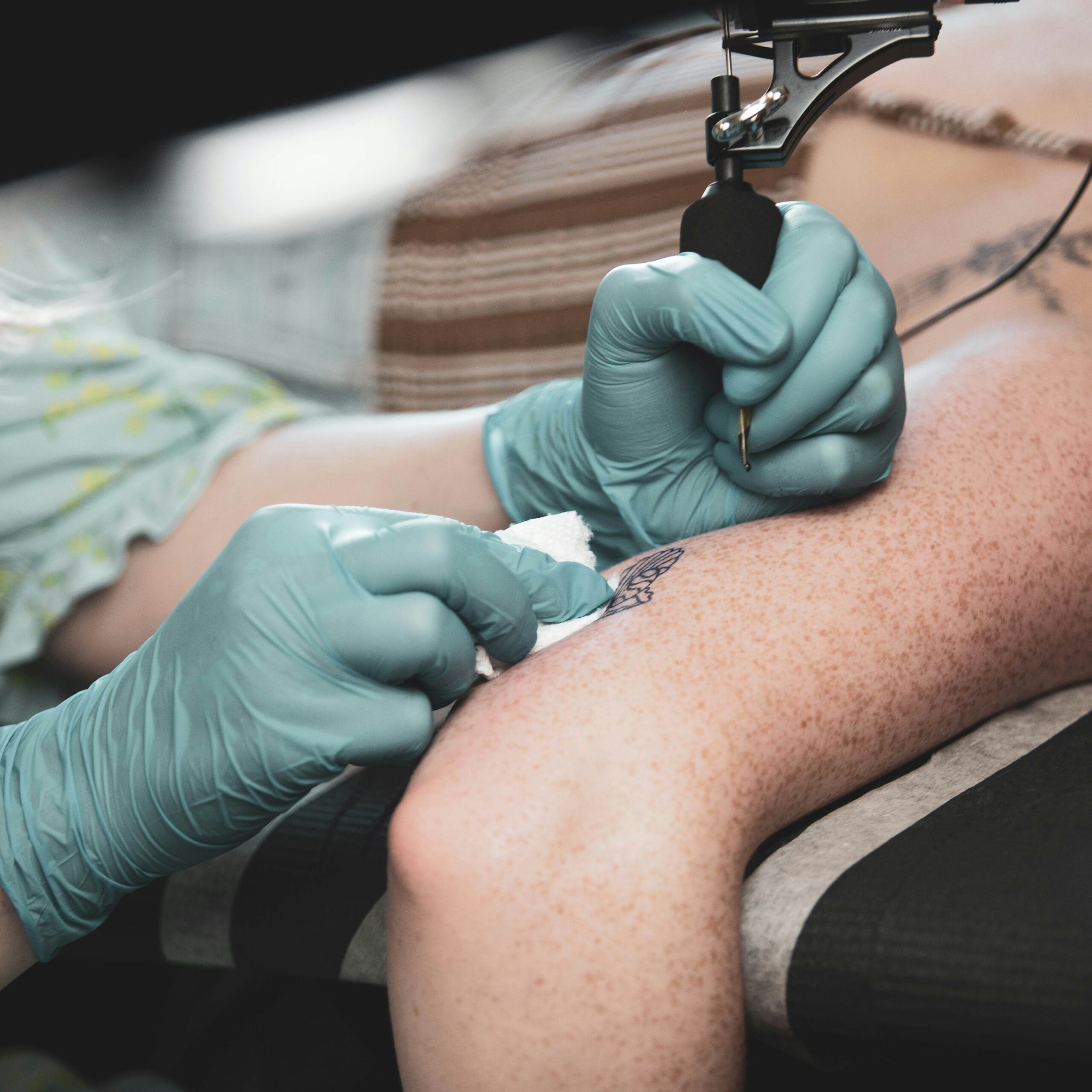
Can Tattoo Ink Make You Sick?
Wondering if your tattoo ink could be harmful? Find out what’s really in the pigments and how exposure—especially through skin absorption or improper aftercare—might lead to ink poisoning from a tattoo. This guide breaks down the risks and ingredients behind tattoo ink safety, answering the question: Is Tattoo Ink Toxic? Do You Know What’s in Your Tattoo?
Some tattoo inks contain heavy metals and synthetic dyes that can cause health issues if absorbed over time. Ink poisoning from a tattoo is a real, though rare, concern.
Even if you’re not allergic, certain pigments may pose risks, especially with repeated exposure or poor aftercare. Stay informed to protect your health.

Ink Poisoning from Tattoos: A Hidden Risk
Ink poisoning from a tattoo is a serious but often overlooked concern, especially when the pigments used contain harmful chemicals. While many people view tattoos as harmless body art, the long-term exposure to toxic inks—some of which have been linked to internal organ damage—can pose significant health risks. This isn’t just about skin irritation; it’s about what happens when ink enters the bloodstream. Some studies suggest a connection between tattoo ink and chronic health issues, including cancer. For those considering a new tattoo, it’s important to understand the potential dangers and choose reputable studios with safe, non-toxic inks. Tattoos with ribbons for cancer are a growing trend, symbolizing awareness and remembrance, but they also highlight how body art can be both meaningful and risky.
Common tattoo inks may contain heavy metals like cadmium or chromium, which can lead to ink poisoning from a tattoo if not properly managed. These substances can accumulate in the body over time, especially with repeated exposure.
Some tattoo artists use outdated or unregulated pigments that increase the risk of long-term health problems. If you’re concerned, consider researching safe ink alternatives and always ask about the materials used. Stick and poke tattoo gone wrong cases show how quickly things can go off track when safety standards are ignored.

Can Tattoos Cause Ink Poisoning?
While tattoos are a form of self-expression, using unregulated or unsafe ink can lead to serious health risks—like ink poisoning from a tattoo. This isn’t just about the design; it’s about the materials and how they’re applied. Some inks contain heavy metals or toxic chemicals that can seep into the body over time. It’s a growing concern, especially with DIY or unlicensed tattoo practices. And while it’s not directly linked to skin cancer like drawing on yourself might seem, the long-term effects on your health can be just as alarming.
Some tattoo inks contain harmful substances that can cause ink poisoning from a tattoo if not properly regulated or cleaned. Always choose a licensed studio with certified, non-toxic ink.
Even if you don’t feel symptoms right away, ink poisoning from a tattoo can affect your organs. Be cautious—especially with cheaper, unknown brands. And while the link to skin cancer isn’t clear, the risks are real and worth knowing.
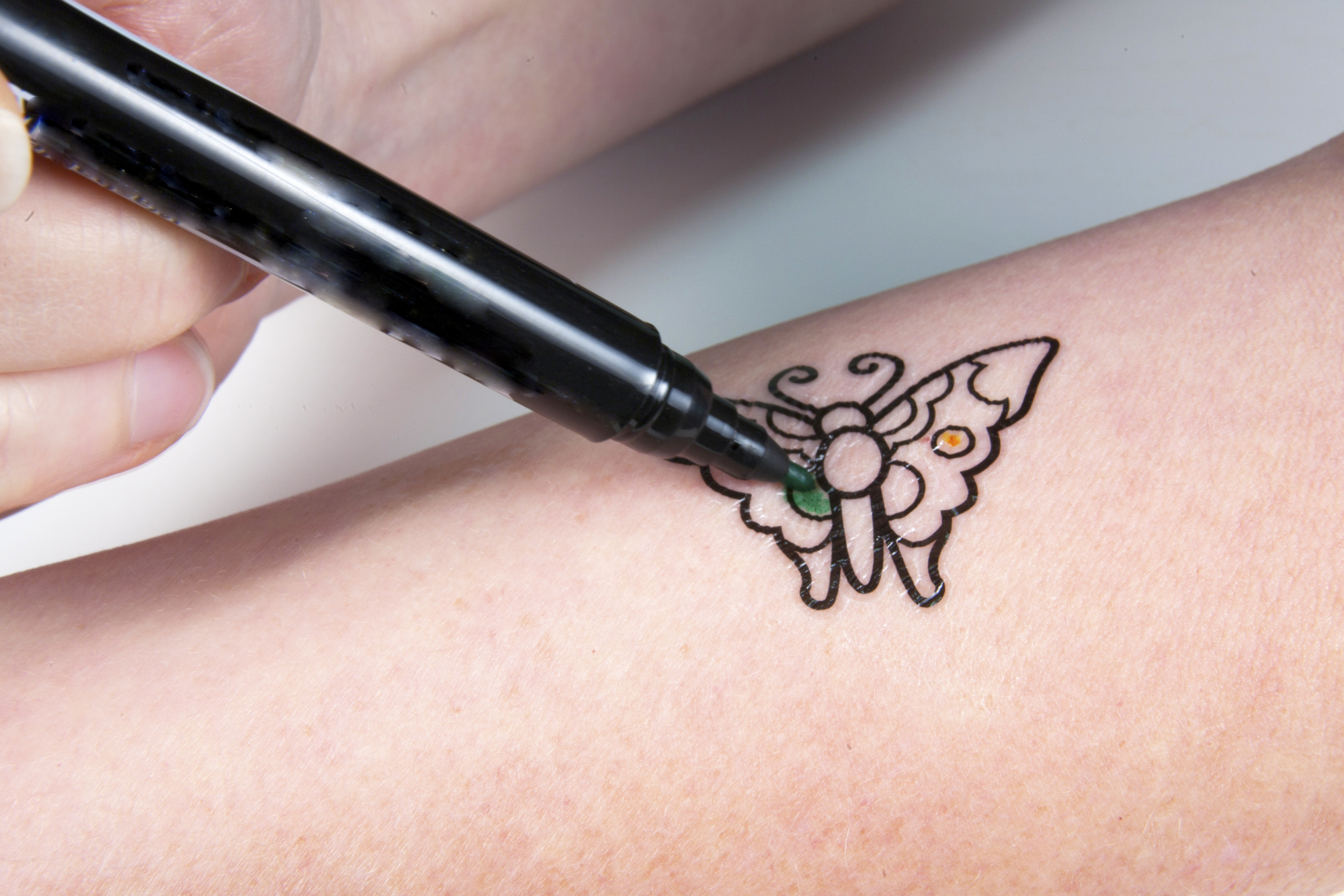
Can Tattoos Cause Ink Poisoning?
While ink poisoning from a tattoo is a serious concern, it’s not as common as people fear. When done by licensed professionals using sterile equipment and approved inks, the risk is minimal. Still, certain pigments—especially those containing heavy metals like cadmium or cobalt—can pose health risks if absorbed through the skin. It’s important to research reputable studios and avoid unregulated or homemade inks. For those seeking meaningful body art with symbolic value, such as tattoos with ribbons for cancer, safety and design matter just as much as aesthetics.
Yes, ink poisoning from a tattoo is possible—but only under rare, unregulated conditions. Most modern tattoos use safe, approved inks. The real danger lies in outdated or unlicensed practices, not the act of getting inked itself.
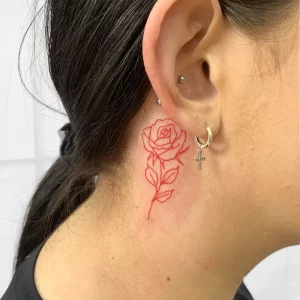
Some pigments in tattoo inks may contain toxic metals. Always choose a certified studio and ask about ink composition. Avoid DIY or unregulated tattooing. For unique designs like cross behind the ear tattoos, safety and transparency are key.

How Tattoo Ink Can Lead to Poisoning
After my last tattoo, I realized how serious ink poisoning from a tattoo can be—especially when the process isn’t done with proper safety standards. The experience changed how I view body art, making me question every ink I’d ever considered. I learned that some pigments contain toxins that can linger in the body, and the risks go far beyond just irritation. My Last Tattoo was a turning point, not just in my aesthetic choices, but in my health awareness.
Some tattoo inks contain heavy metals that can cause long-term health issues. I didn’t know this before my last tattoo, and it left me questioning every dot and line I’d ever seen.
It wasn’t just pain—it was the hidden danger of ink poisoning from a tattoo that changed everything.

What Happens If Your Tattoo Ink Turns Toxic?
When tattoo ink enters the body, it’s not just a temporary mark—some pigments can trigger serious health issues. While most inks are safe, certain types, especially older or poorly regulated ones, may carry risks. Ink poisoning from a tattoo is a real concern, especially if you’re exposed to unregulated or non-compliant products. The body may react to certain dyes, leading to allergic reactions or even organ stress. This isn’t just about aesthetics—it’s about long-term safety. Some tattoo artists use inks with unapproved chemicals, and while rare, cases of ink poisoning from a tattoo have been reported. It’s important to choose a licensed studio and ask about the ingredients. One case even led to a broader awareness of ink safety, prompting the FDA to review some common tattoo dyes. This issue is closely tied to the broader topic of INK POISONING APPAREL, where similar concerns about toxic materials arise in everyday products.
Some tattoo inks contain harmful substances that can cause long-term health issues. Be cautious with unregulated or unknown brands.
Always check ink sources—poisoning from tattoos isn’t just a myth.

Can Tattoo Ink Really Poison You?
While tattoos use ink that’s designed to stay in the skin, there’s a growing concern about ink poisoning from a tattoo—especially if the ink contains harmful chemicals or is applied improperly. This raises questions about safety beyond just the aesthetic: can drawing on yourself with pen hurt you? Though pens aren’t meant for skin, the risks of toxic exposure from improper tattoo practices are real and sometimes serious.
It’s not just about the art—ink poisoning from a tattoo can happen if the ink isn’t properly sterilized or if the body reacts to certain pigments. Can drawing on yourself with pen hurt you? The answer is more complex than it seems.
Some tattoo inks contain heavy metals or dyes that may cause health issues over time, making it essential to choose reputable artists and products.
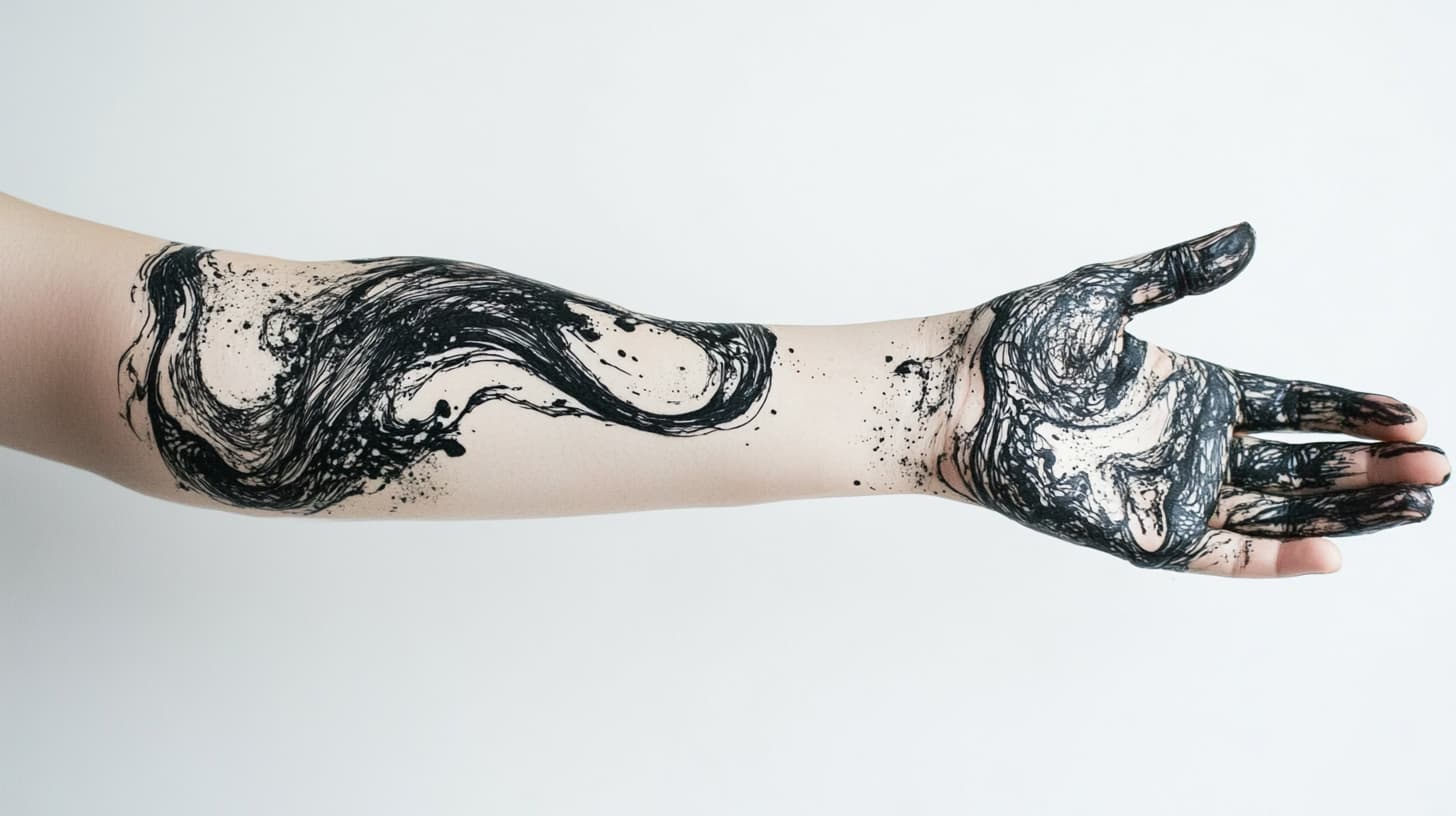
Can Tattoo Ink Cause Poisoning?
While tattoos are a popular form of self-expression, there’s growing concern about the potential dangers of tattoo ink—especially when it comes to accidental ingestion or skin absorption. Some people have reported adverse reactions, and while most tattoos are safe, rare cases of ink poisoning from a tattoo have been documented. This raises questions about safety, especially with older or poorly regulated inks. The idea that tattoo ink could be harmful isn’t just speculation—it’s a real concern being discussed in medical circles. One common comparison is made to Sharpie markers, which, despite being used on skin, are not designed for human use and can cause irritation or even chemical exposure. While Sharpie use on skin isn’t typical, it highlights how certain inks can pose risks when applied improperly or ingested.
Tattoo ink isn’t always safe—especially if absorbed through broken skin or ingested accidentally. Some people have reported symptoms like nausea or dizziness, which may point to ink poisoning from a tattoo.
Even small amounts of ink can trigger reactions, especially in sensitive individuals. It’s important to know the risks before getting ink permanently on your body.
:max_bytes(150000):strip_icc()/sharpie-tattoo-safety-3975986_final2-17fa31d1fc78422f80cf771f70afd192.png)
Can Tattoo Ink Cause Poisoning?
While tattoos are often seen as harmless body art, there’s a growing concern about ink poisoning from a tattoo—especially when pigments trigger allergic reactions or toxic responses in the body. This issue goes beyond just skin irritation and can lead to serious health complications. Understanding how tattoo ink interacts with the body is key to staying safe. Some individuals may experience symptoms like rash, swelling, or even systemic issues after getting inked, which raises questions about long-term safety. While not everyone reacts, the risks are real and worth knowing—especially if you’re considering a tattoo or have a history of sensitivity.
Some people believe tattoo ink is just pigment, but it can actually cause ink poisoning from a tattoo in rare cases. Symptoms may appear days or weeks later.
One in five tattoo recipients may face allergic reactions, including ink poisoning from a tattoo, especially with certain pigments.
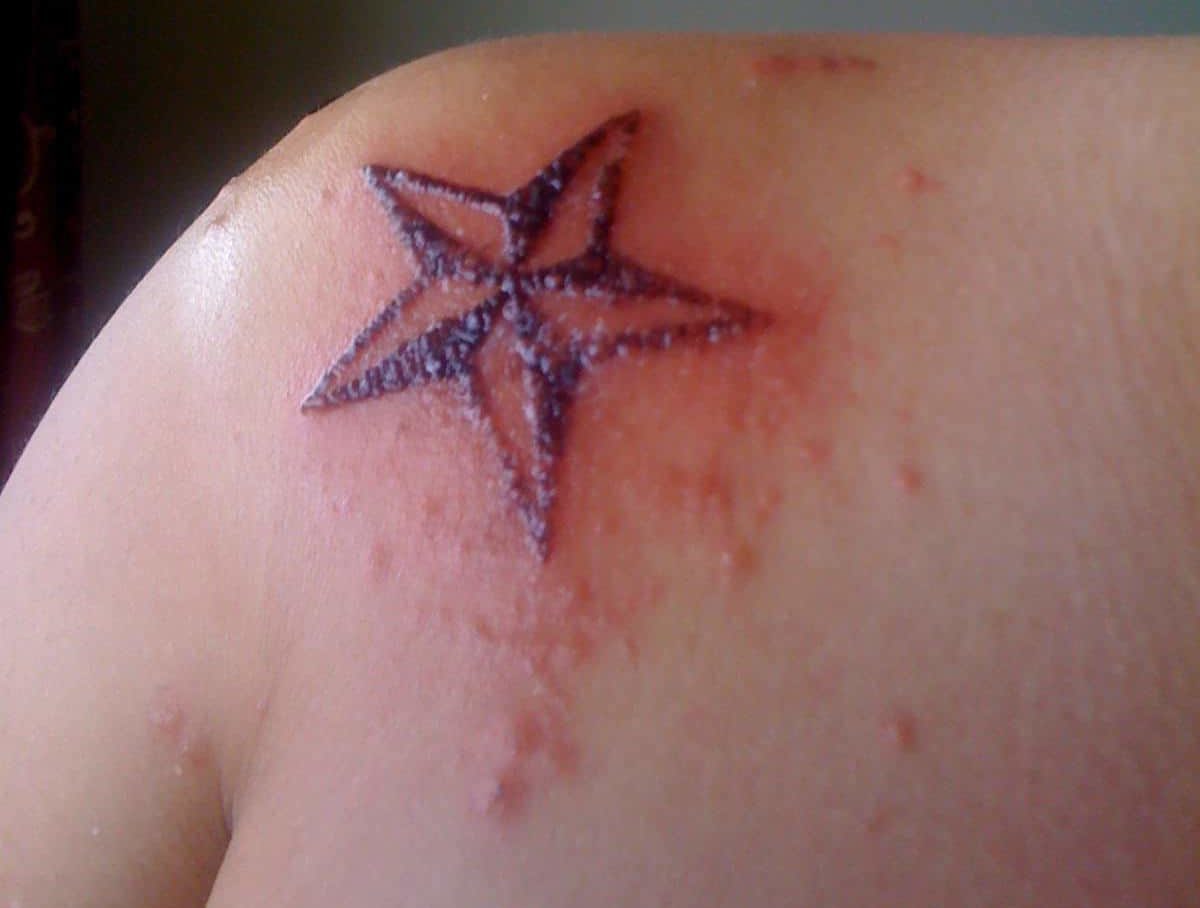
What Happens If Tattoo Ink Gets Into Your System?
While tattoos are a popular form of self-expression, there’s a rare but serious risk: ink poisoning from a tattoo. Though uncommon, improper ink absorption or accidental ingestion during the process can lead to health concerns. Understanding the signs and risks is key—especially when considering tattoo healing: common risks and what you should know.
Don’t ignore symptoms like nausea or dizziness after a tattoo. Ink poisoning from a tattoo might not show up immediately, and early signs can be easily missed.
Always choose a licensed artist and check ink safety standards—your body’s health depends on it.