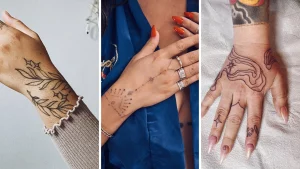
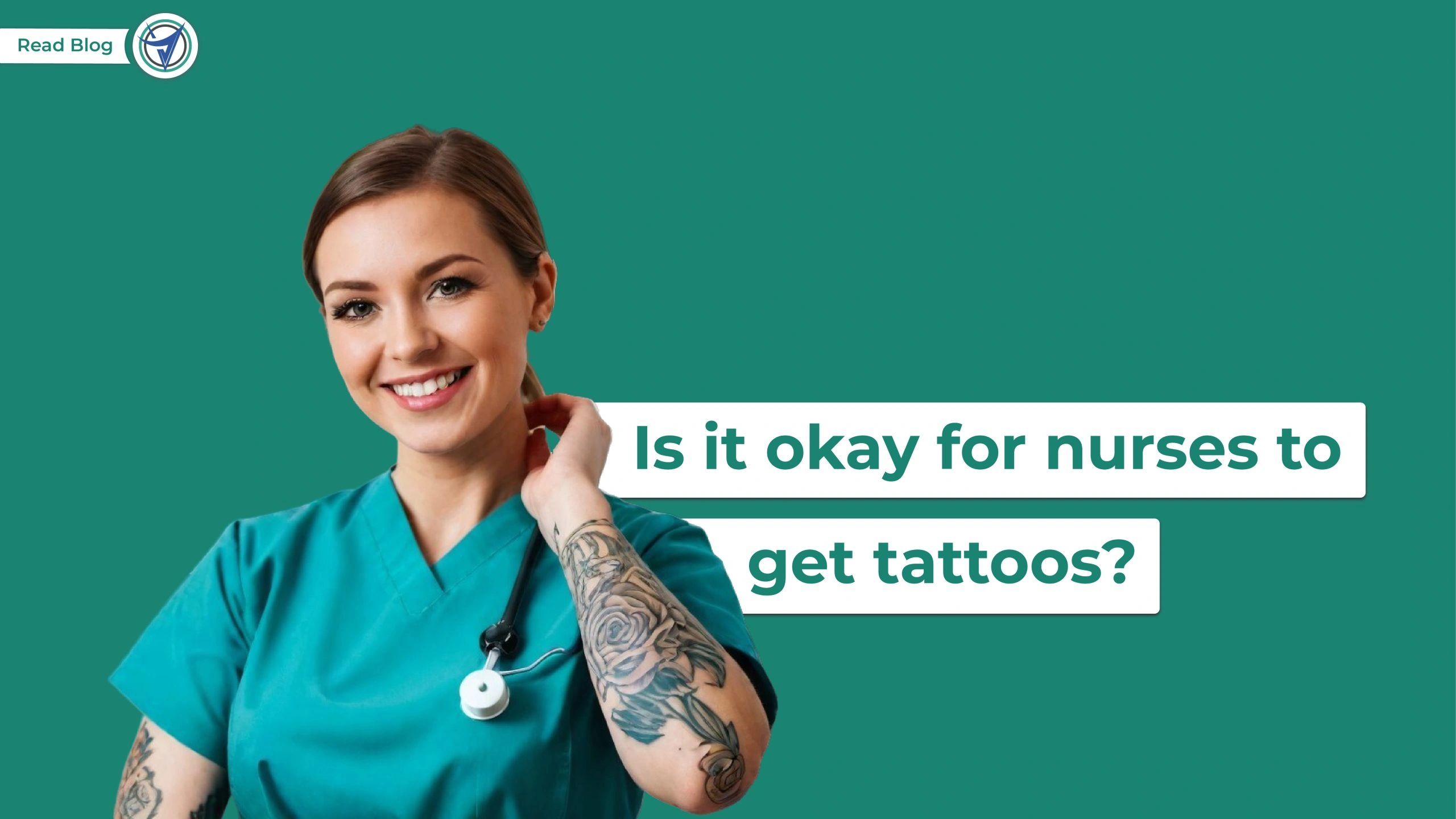
Tattoos in the healthcare field are increasingly visible, shifting how patients and staff view professionalism. This change reflects a broader move toward individuality and inclusion in medical settings.
By embracing body art, healthcare workers demonstrate that personal expression can coexist with rigorous standards of care and patient trust.
Can Tattoos Be Accepted in Healthcare?
Tattoos in the healthcare field are increasingly common, sparking conversations about professionalism, patient trust, and workplace policies. While some institutions still hold strict rules, many now recognize that visible tattoos don’t automatically compromise care. Can Nurses Have Tattoos or Piercings at Work? This question reflects broader shifts in how healthcare environments view personal expression and cultural diversity.
Healthcare workers with tattoos are often judged more on skills than appearance—especially when it comes to patient safety and empathy.
Many hospitals now adopt more inclusive policies, recognizing that tattoos in the healthcare field reflect personal identity, not a threat to care.

Tattoos in Healthcare: What’s Really Happening?
Tattoos in the healthcare field are more common than ever, with nurses and doctors proudly displaying their ink—challenging old stereotypes. While concerns linger, the reality is that visible tattoos don’t compromise professionalism or patient care. Are Nurses and Doctors with Visible Tattoos Really a Big …? The answer is increasingly, “no.”
Medical professionals are embracing personal expression, proving tattoos in the healthcare field don’t affect trust or competence.
Visibility doesn’t mean unprofessionalism—tattoos in the healthcare field reflect individuality and authenticity.

Tattoos in Healthcare: Meaningful & Motivational
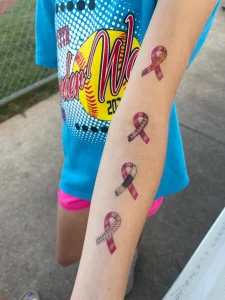
Tattoos in the healthcare field are more than just body art—they reflect dedication, resilience, and personal stories. From nurses to doctors, these designs carry emotional weight, symbolizing patient care, healing journeys, and professional identity. Whether it’s a simple symbol or a detailed scene, each tattoo tells a unique chapter of service. One inspiring example is the growing trend of nurse-inspired tattoos, where meaningful imagery blends art and purpose. tattoos with ribbons for cancer are a powerful reminder of compassion and support in patient care.
These tattoos in the healthcare field serve as daily affirmations of commitment and empathy.
They’re a quiet way for healthcare professionals to honor their patients and their own journeys.

Healthcare Tattoos: Symbolism & Style
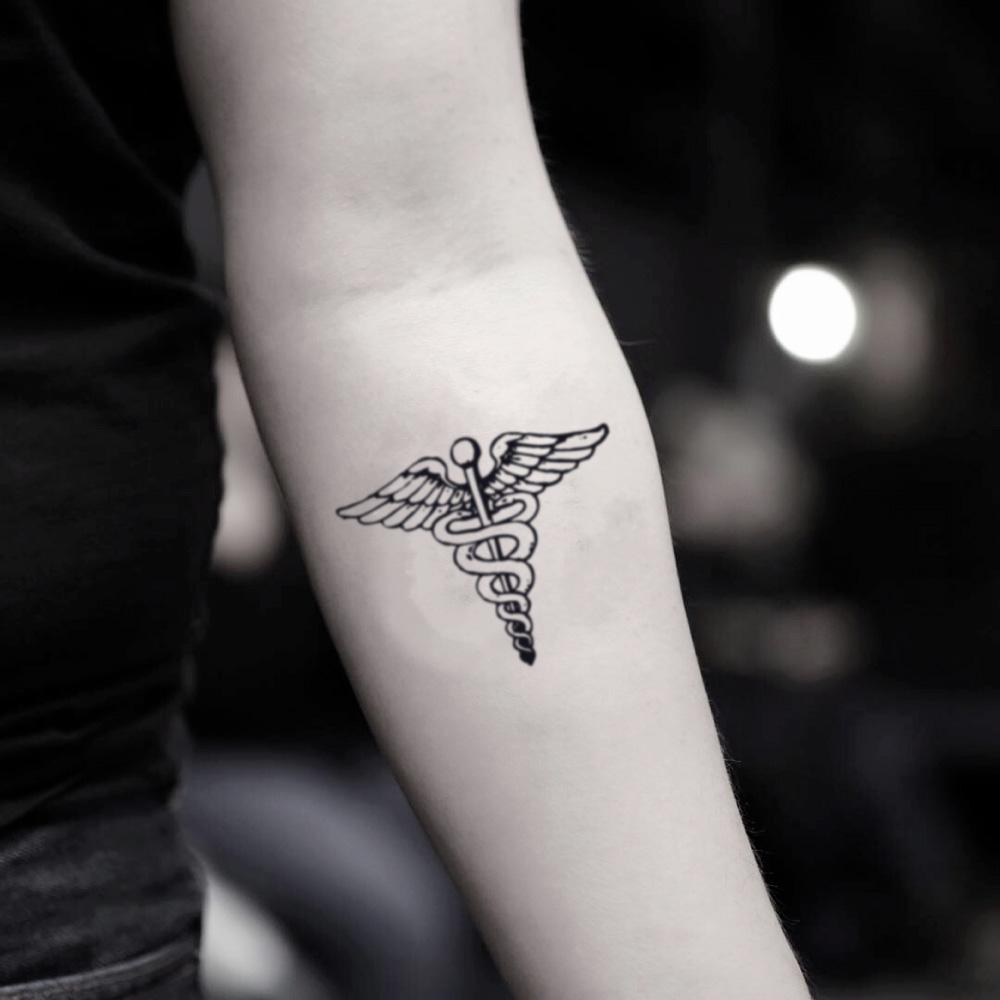
Healthcare tattoos blend professional symbolism with personal expression—like the Caduceus Temporary Tattoo Sticker (Set of 2), which captures the essence of medical identity without permanence. These designs resonate with medical professionals who want to showcase their dedication, values, and workplace pride in a subtle, meaningful way.
Medical professionals are turning to tattoos in the healthcare field as a form of personal expression and pride, often choosing symbols that represent their dedication and service.
From hospital badges to subtle symbols, tattoos in the healthcare field reflect identity, professionalism, and a deep connection to patient care—some even use temporary options like the Caduceus Temporary Tattoo Sticker (Set of 2) for special events or daily inspiration.
Tattoos in Healthcare: What’s the Reality?
Tattoos in the healthcare field are more common than many realize, with professionals across hospitals and clinics embracing personal expression. While concerns about patient trust and professionalism persist, institutions like the largest Indiana health system have shown that tattoos can coexist with high standards of care—when policies are clear and respect is maintained.
Healthcare workers with tattoos often face stigma, but the reality is growing acceptance in the field. Tattoos in the workplace: Largest Indiana health system has set a precedent for inclusive environments where appearance doesn’t compromise patient safety.
Many believe tattoos in the healthcare field are a barrier, but experience shows they’re not. With proper guidelines, trust and professionalism remain intact.

Tattoos with a Medical Edge
Tattoos in the healthcare field blend personal expression with professional identity. From symbolic designs to subtle medical motifs, these tattoos reflect dedication, resilience, and a deep connection to patient care. Whether it’s a simple heart or a complex anatomy sketch, each piece tells a story rooted in healing and service. Discover 7 Tattoo Idea and Medical Tattoo Ideas to inspire meaningful, meaningful body art that honors both passion and purpose.
Healthcare professionals use tattoos in the healthcare field to express their journey—every line a tribute to resilience, compassion, and daily challenges.
These tattoos aren’t just art—they’re affirmations of commitment to patient care and medical service.

Tattoos in Healthcare: Symbols with Meaning
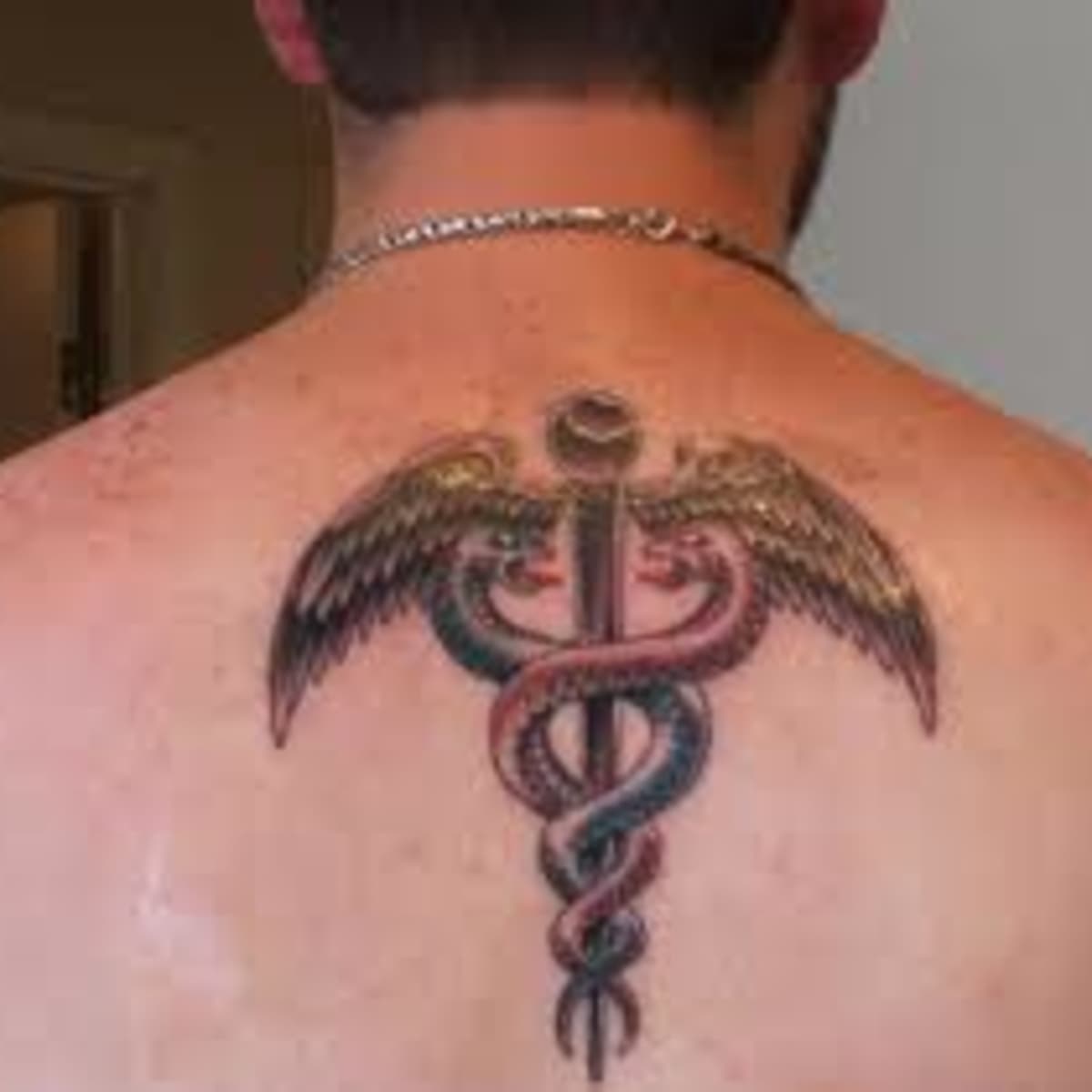
Tattoos in the healthcare field blend personal expression with professional identity, where symbols like the caduceus carry deep historical roots and represent healing, balance, and service. These inked choices reflect both individual passions and the values of medical care, making them more than just body art—they’re a form of storytelling in the workplace.
Healthcare professionals often get tattoos that reflect their values, with the caduceus being a familiar symbol of medicine and healing. These designs go beyond decoration, representing dedication and personal connection to patient care.
From subtle to bold, tattoos in the healthcare field show a growing trend of authenticity. The caduceus, with its long history, stands as a quiet nod to the profession’s legacy of compassion and service.
Tattoos in Healthcare: A Nurse’s Story
In a field where compassion meets care, tattoos in the healthcare field are more than just body art—they’re personal expressions of resilience, identity, and healing. From nurses to doctors, many wear ink as a tribute to their journeys, often inspired by real-life experiences. Skin Stories: Nurses and the Art of Tattoos in Healthcare … reveals how these marks become silent stories of strength and survival, woven into daily routines and patient interactions.
Tattoos in the healthcare field reflect more than style—they’re symbols of courage and personal growth.
Many nurses use tattoos to honor patients, milestones, or personal battles, turning body art into meaningful connections.

Tattoos in Healthcare: What’s Allowed?
Tattoos in the healthcare field are becoming more accepted, with many professionals embracing personal expression while maintaining professional standards. Nurses and other medical staff often face questions about visible ink, especially in sensitive areas. Can Nurses Have Tattoos in 2022? The answer depends on workplace policies, patient privacy, and institutional guidelines. As long as tattoos are respectful, not in visible or compromising locations, they don’t hinder a healthcare career. This shift reflects broader changes in workplace culture and professionalism.
Healthcare workers can now wear tattoos—provided they’re appropriate and not in sensitive areas. Tattoos in the healthcare field are no longer a barrier to employment.
Visibility and professionalism matter most when it comes to tattoos in the healthcare field.
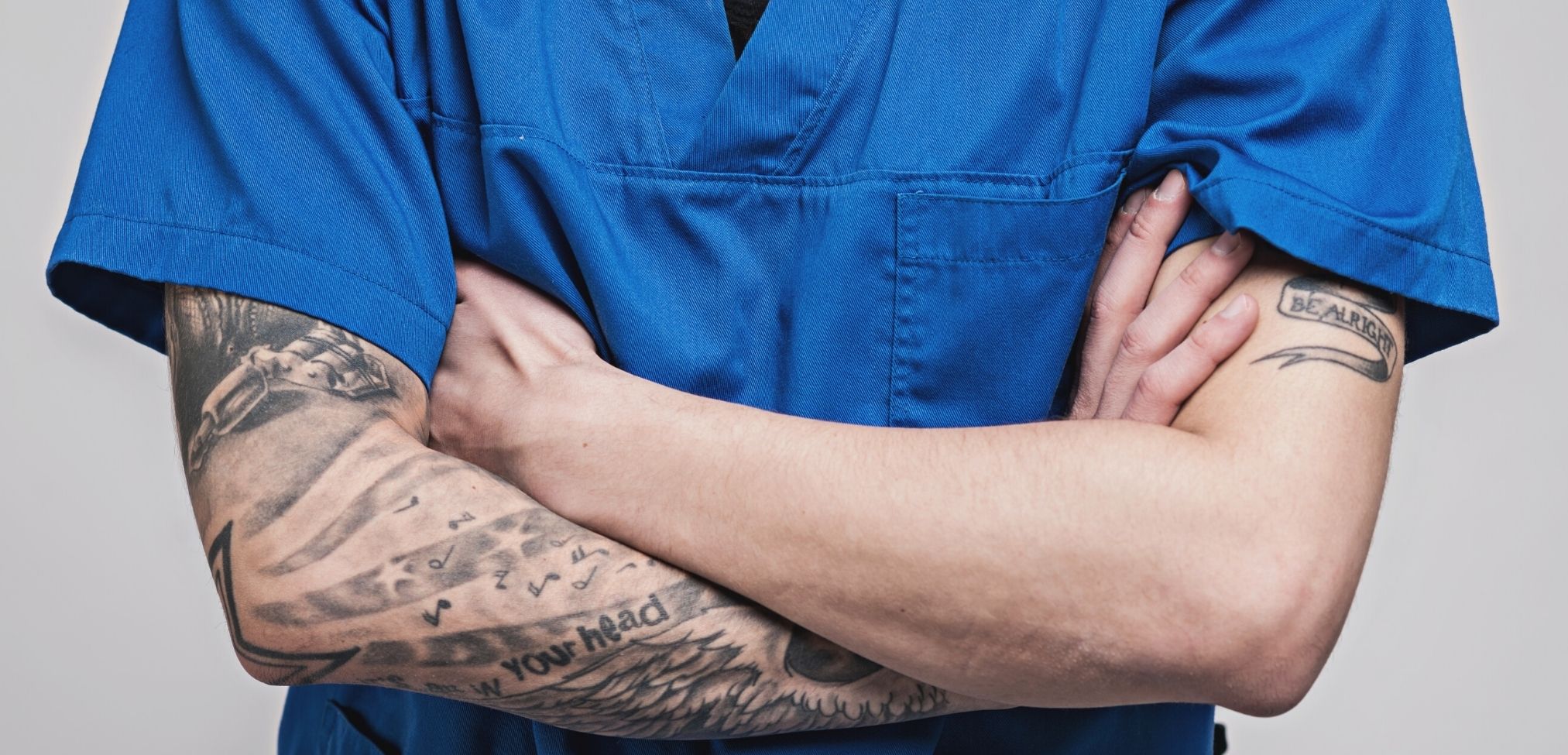
Tattoos in Healthcare: What’s Allowed?
Tattoos in the healthcare field are a growing topic of discussion, with institutions balancing professionalism, patient trust, and individual expression. While some facilities enforce strict policies, others embrace tattoos as part of a diverse and inclusive workforce. This guide draws from real-world practices and insights, including the well-known reference on tattoo policies in nursing, to help professionals understand what’s acceptable and why.
Healthcare workers can now wear tattoos—provided they’re placed discreetly and don’t violate workplace standards. In the healthcare field, visibility and professionalism remain key.
Many nurses and medical staff now wear tattoos, but only in areas that don’t compromise patient care or institutional image.

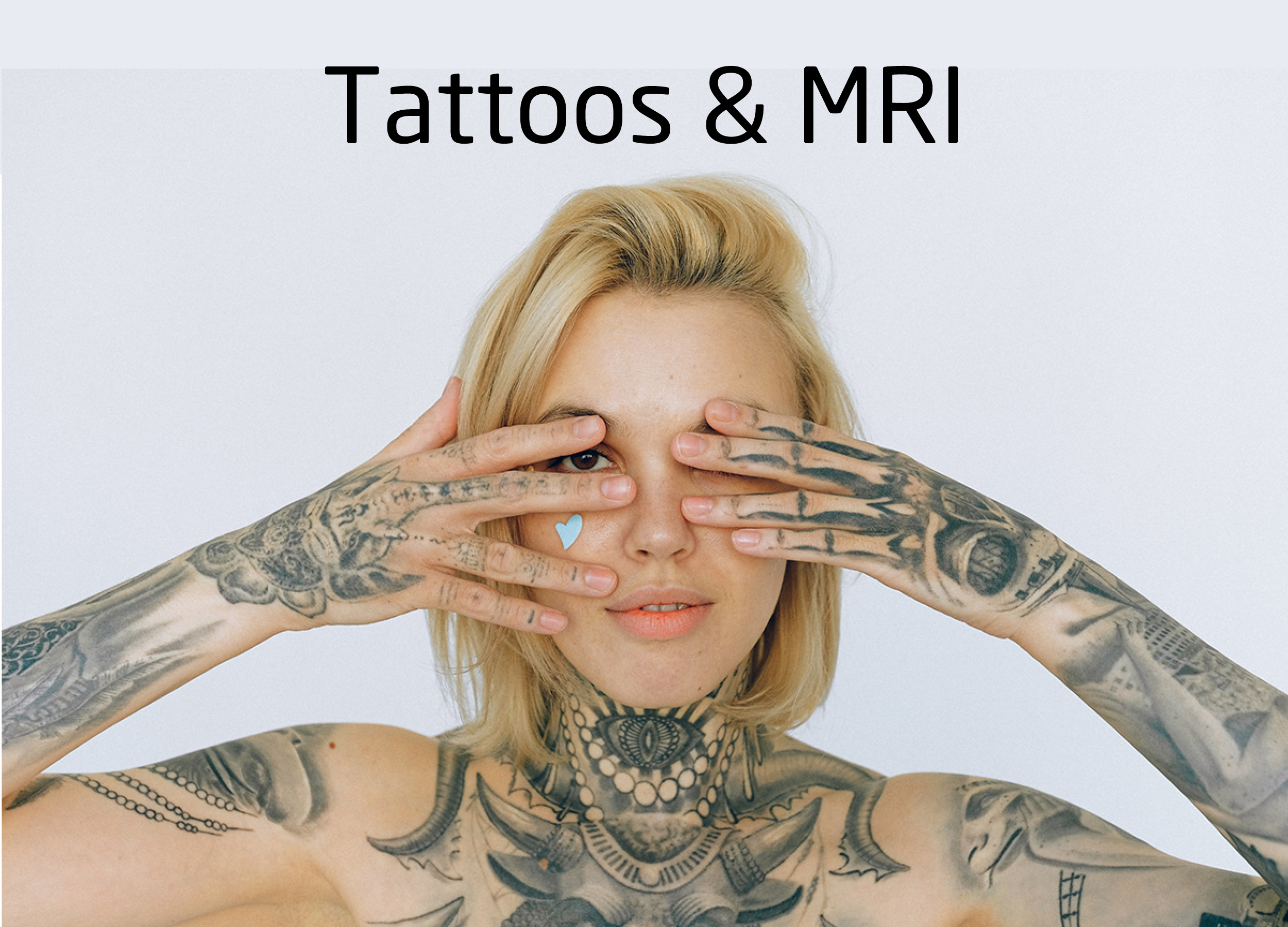
Can Tattoos Affect Medical Scans?
Tattoos in the healthcare field are more than just body art—they can influence medical imaging and patient safety. From MRI concerns to potential reactions during procedures, understanding how tattoos interact with medical technology is vital. What Do You Know About MRI and Tattoos? This question highlights a growing awareness among healthcare providers and patients alike.
Some tattoos may interfere with MRI scans due to metallic ink, raising safety concerns in clinical settings.
Healthcare professionals now consider tattoo placement when planning imaging tests to avoid risks.
Tattoos in Healthcare: Nurse Inspiration
Tattoos in the healthcare field blend professionalism with personal expression, especially among nurses who carry both compassion and resilience. From subtle symbols to meaningful designs, these tattoos reflect dedication, healing, and identity. Best Nurse Tattoo Ideas to Inspire You offers real-life examples that balance artistry with purpose—perfect for those who want to honor their journey in patient care.
Healthcare workers are using tattoos in the healthcare field to express their values, experiences, and commitment to healing—quietly powerful and deeply personal.
These tattoos aren’t just art—they’re stories of care, courage, and daily service in the healthcare field.

How Tattoos Fit Into Healthcare
Tattoos in the healthcare field are more common than you think—many medical professionals wear them proudly, blending personal expression with professional identity. From doctors to nurses, tattoos aren’t just a trend; they reflect individuality and cultural awareness. The tattoo healing process, especially in high-stress environments, requires patience and care to ensure proper recovery and hygiene. Understanding how tattoos heal can help healthcare workers manage their skin health while staying true to their personal style.
Healthcare workers often wear tattoos as a form of self-expression, showing pride in their journey and background. These tattoos aren’t just art—they’re part of a larger identity that includes dedication and resilience.
When tattoos are part of a healthcare career, healing becomes a shared responsibility. Proper aftercare ensures both safety and professionalism, especially when working in close contact with patients.
:max_bytes(150000):strip_icc()/Tattoo2-596318ff11a4435e9598e7ae05359a0d.jpg)
Tattoos in Healthcare: A Hidden Risk?
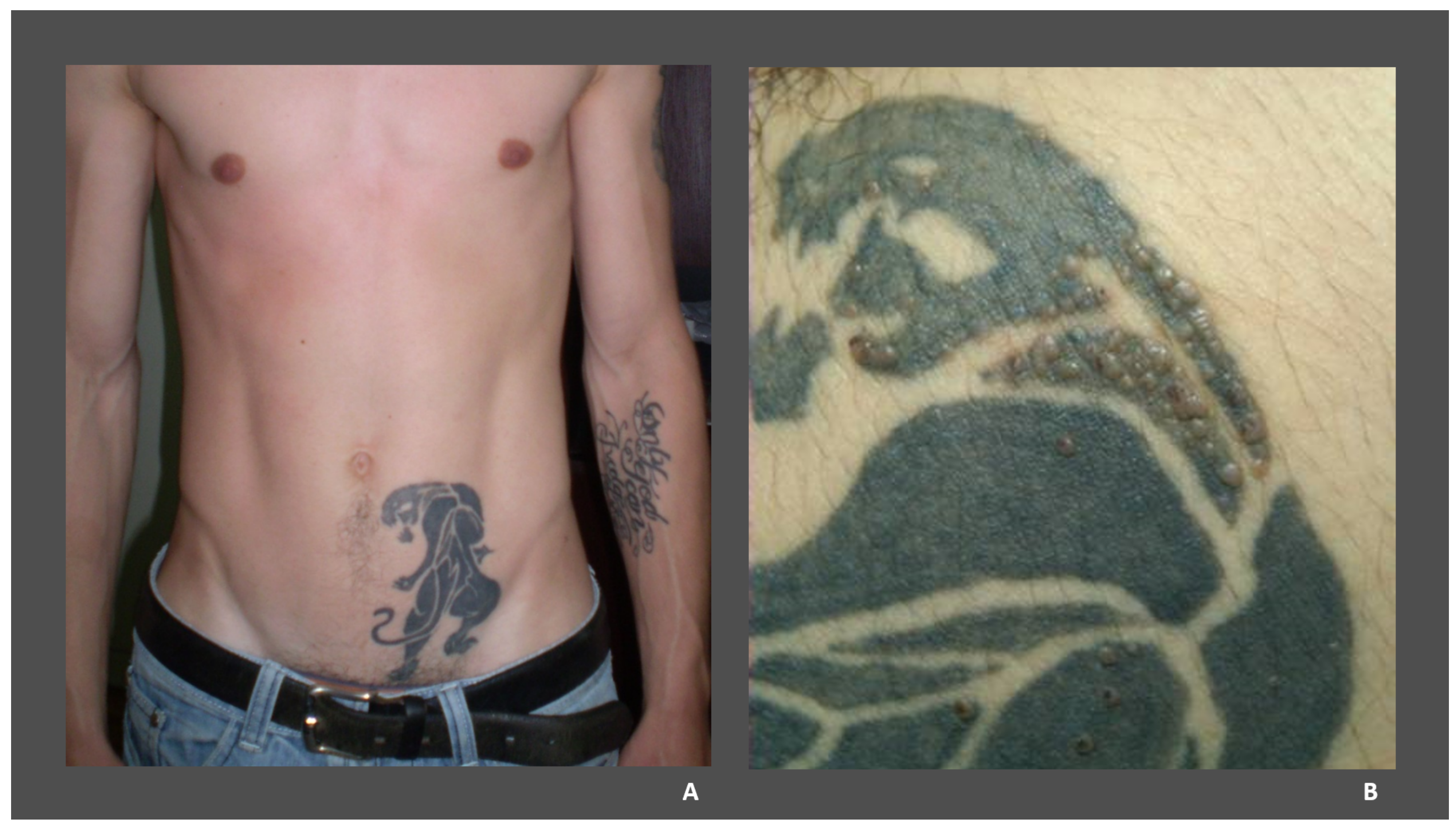
Tattoos in the healthcare field may seem like a harmless personal choice, but they can introduce unexpected risks—especially when considering rare cases like viral infections confined to tattoos. While most tattoos are safe, healthcare professionals must remain aware of potential complications, particularly when patient care involves skin exposure or invasive procedures. Understanding this connection helps ensure both safety and informed consent in clinical settings.
Healthcare workers with visible tattoos should be mindful of infection risks, especially in high-exposure environments. A rare case of viral infections confined to tattoos highlights the importance of hygiene and awareness.
Some medical professionals worry about stigma or safety, but the real concern lies in rare, localized infections—like those seen in viral infections confined to tattoos—rather than the tattoos themselves.
Tattoos in Healthcare: A Growing Practice
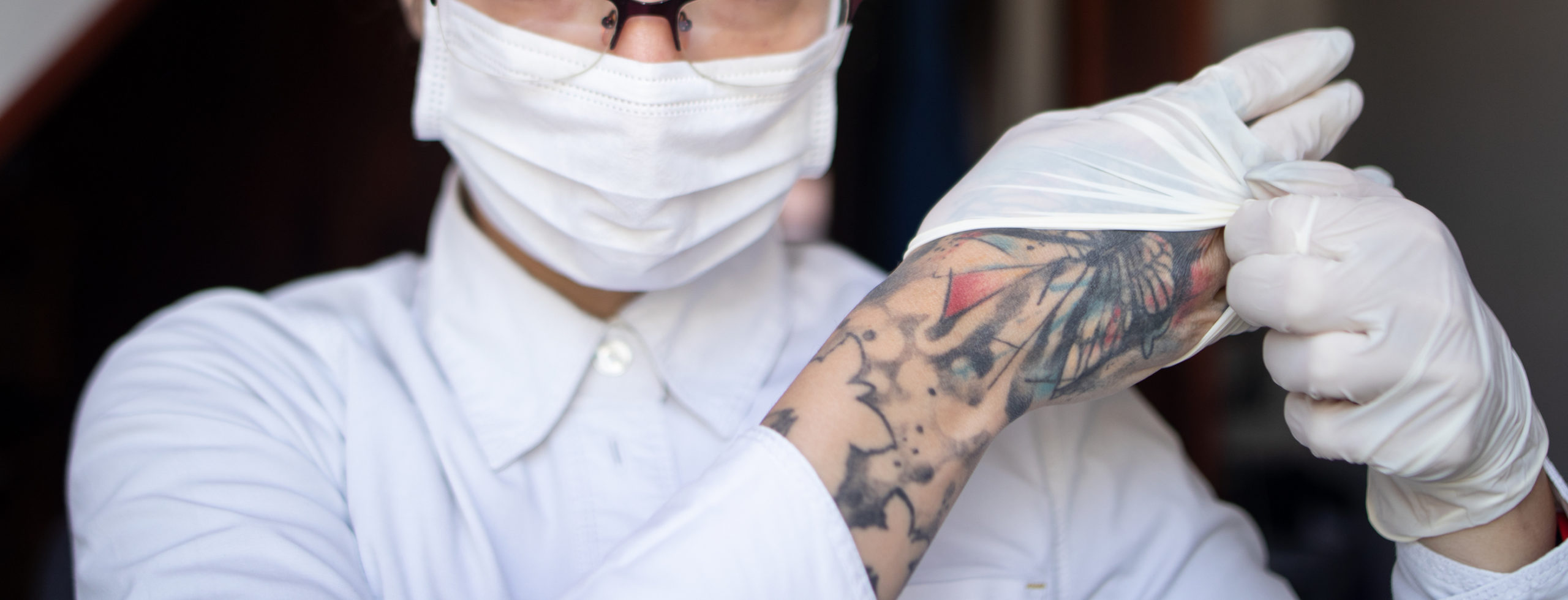
Tattoos in the healthcare field are reshaping how medical professionals express themselves, blending personal identity with professional pride. From nurses to doctors, many now embrace body art as a form of self-expression—without compromising their dedication to patient care. This shift reflects a broader cultural movement where authenticity and individuality are valued in high-stakes environments. Medical Tattooing, once seen as a niche art, is now recognized for its precision and therapeutic potential, especially in patient education and emotional support.
Healthcare workers are using tattoos to honor their journeys and build stronger connections with patients. Tattoos in the healthcare field are no longer seen as distractions—they’re symbols of resilience and personal growth.
Medical Tattooing adds a layer of meaning beyond aesthetics, helping staff connect with patients on a deeper level.

Can Nurses Wear Tattoos in Healthcare?
Tattoos in the healthcare field are more accepted than ever, with many professionals embracing body art as a form of self-expression. While concerns about patient safety and professionalism persist, the reality is that tattoos don’t inherently compromise care. In fact, when properly placed and professionally managed, tattoos can reflect a nurse’s confidence and individuality—especially in today’s inclusive healthcare environment. Can Nurses Have Tattoos and Nose Piercings? The answer is yes, as long as they align with workplace policies and patient comfort.
Healthcare settings are evolving, and tattoos in the healthcare field are now seen as part of a diverse, modern workforce. Policies are becoming more flexible, especially when it comes to visible body art.
Many nurses now wear tattoos without issue, as long as they’re respectful and not in sensitive areas.
Tattoos in Healthcare: What You Need to Know
Tattoos in the healthcare field are a growing topic of discussion, as professionals navigate workplace policies and patient trust. While some institutions still enforce strict rules, others are embracing diversity and inclusivity. The debate centers on visibility, professionalism, and how tattoos might affect patient interactions. As the industry evolves, understanding these dynamics helps both healthcare workers and patients see tattoos not as a barrier, but as a part of personal identity. For those considering a career in medicine or nursing, knowing the current landscape—especially in light of cross behind the ear tattoos—can offer insight into how personal expression fits into professional settings.
Many healthcare jobs still have tattoo restrictions, especially in roles involving direct patient contact. These policies often stem from concerns about professionalism and hygiene, though opinions are shifting.
Some roles allow tattoos, but with visibility rules—like covering them or placing them in non-obvious areas. This balance reflects a broader trend toward inclusivity in the healthcare field.

Tattoos in Healthcare: A New Normal?
Tattoos in the healthcare field are gaining acceptance as professionals embrace personal expression. From nurses to doctors, visible art is no longer seen as a distraction but as a form of identity. More hospitals embrace tattoos and colorful hair, reflecting a shift toward inclusivity and workplace diversity. This change signals a broader cultural evolution in how healthcare environments view individuality and professionalism.
Healthcare workers are increasingly wearing tattoos, proving that personal style doesn’t compromise patient care. Tattoos in the healthcare field are now seen as part of a professional identity, not a flaw.
Colorful hair and tattoos are becoming common in medical settings, signaling a more inclusive and human-centered approach to care.
Tattoos in Healthcare: A Growing Reality
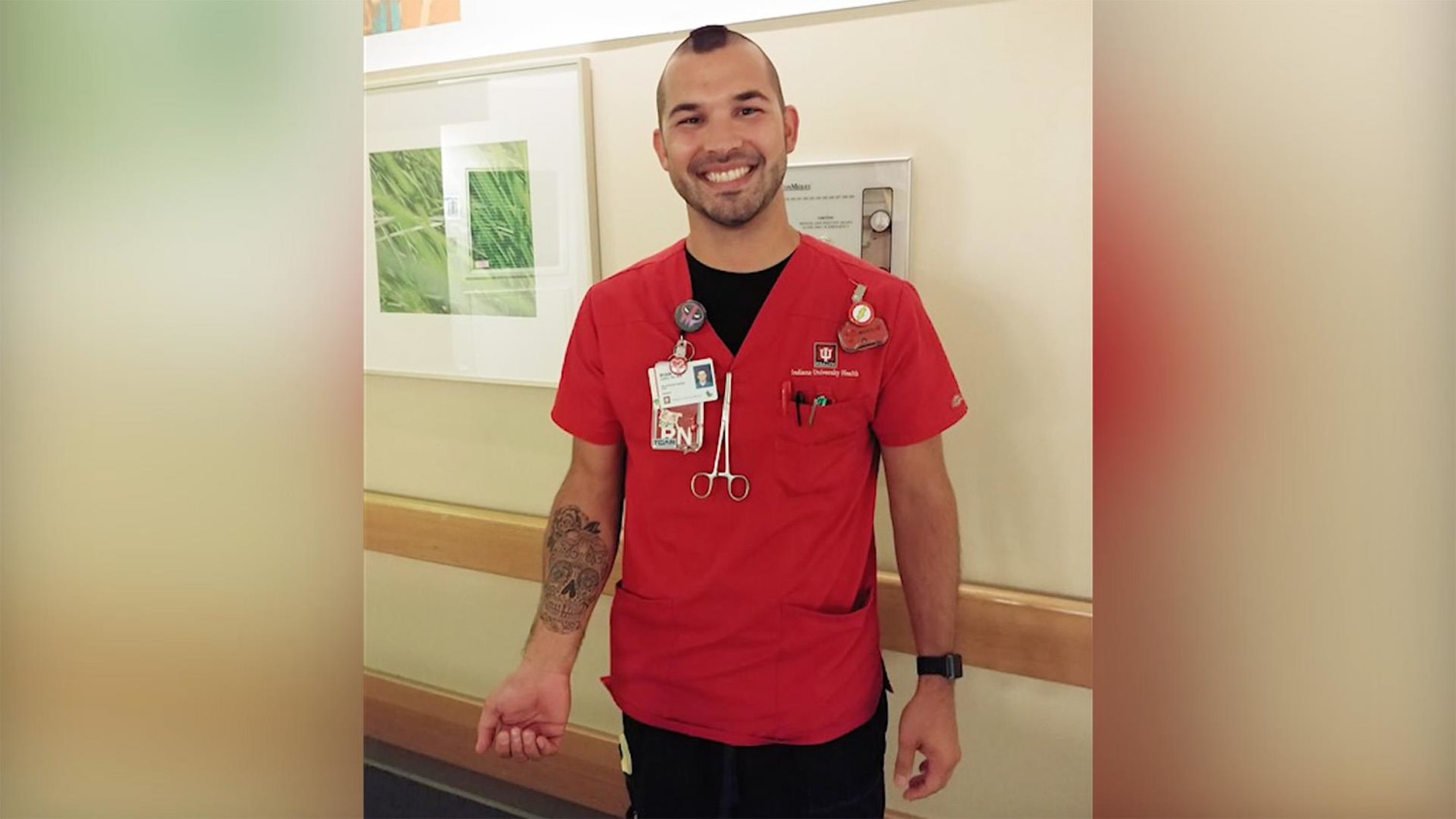
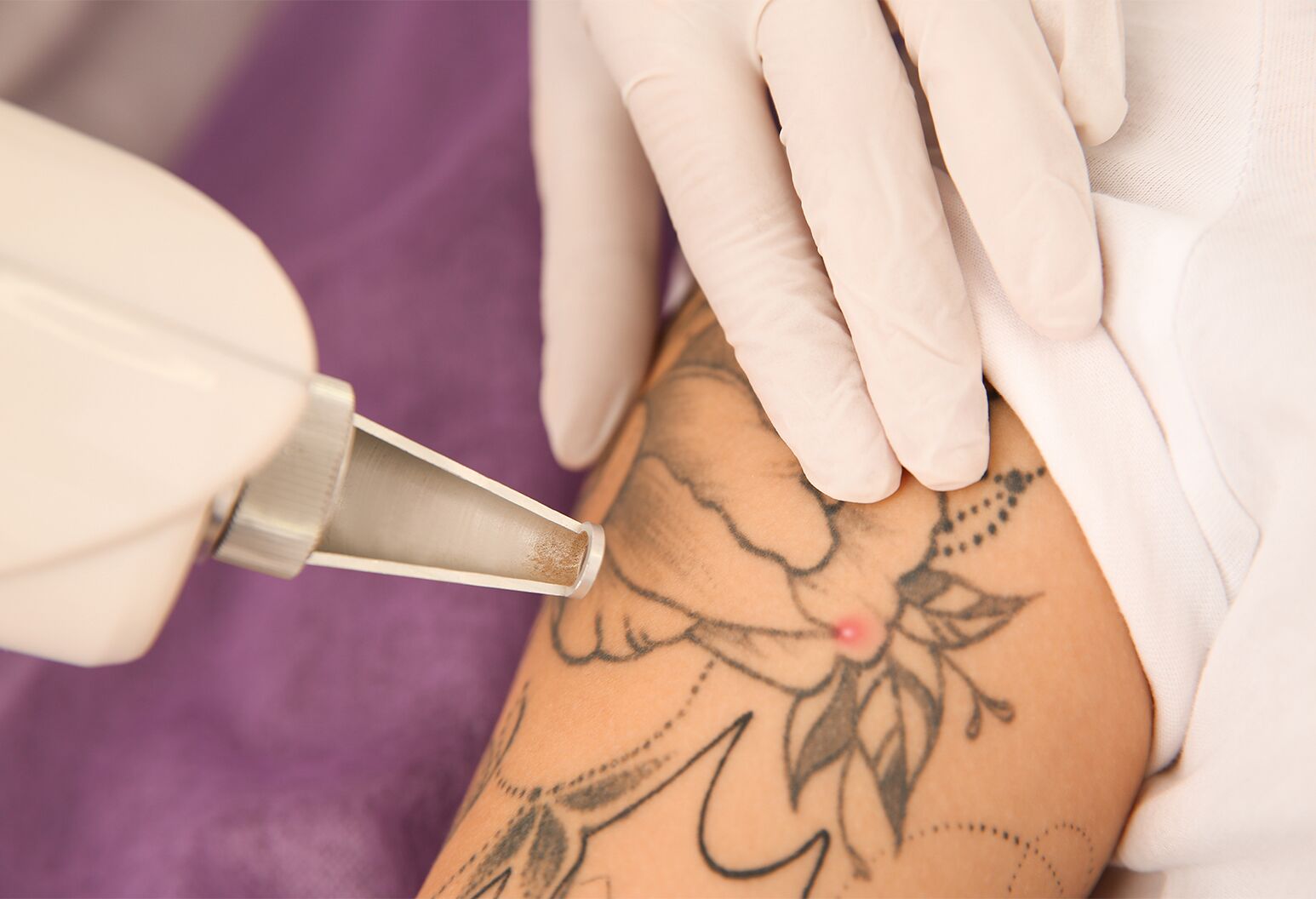
Tattoos in the healthcare field are becoming more accepted as professionals embrace personal expression. While concerns about hygiene and patient trust once dominated the conversation, many medical and healthcare workers now proudly wear tattoos—provided they’re in visible, non-sensitive areas. The shift reflects broader cultural changes and a growing recognition that personal identity shouldn’t be hidden behind professional attire. As long as tattoos don’t compromise patient safety or professional standards, they’re increasingly seen as a valid part of a healthcare worker’s identity. This evolving landscape also highlights the importance of transparency and open dialogue between staff and patients. How Does Tattoo Removal Work? is a relevant consideration for those who may need to remove ink for professional or personal reasons, especially in high-touch environments.
Healthcare workers are now openly wearing tattoos, reshaping workplace norms and patient perceptions.
Tattoos in the healthcare field aren’t just about style—they reflect evolving workplace culture and trust.
Tattoos in Healthcare: What You Need to Know
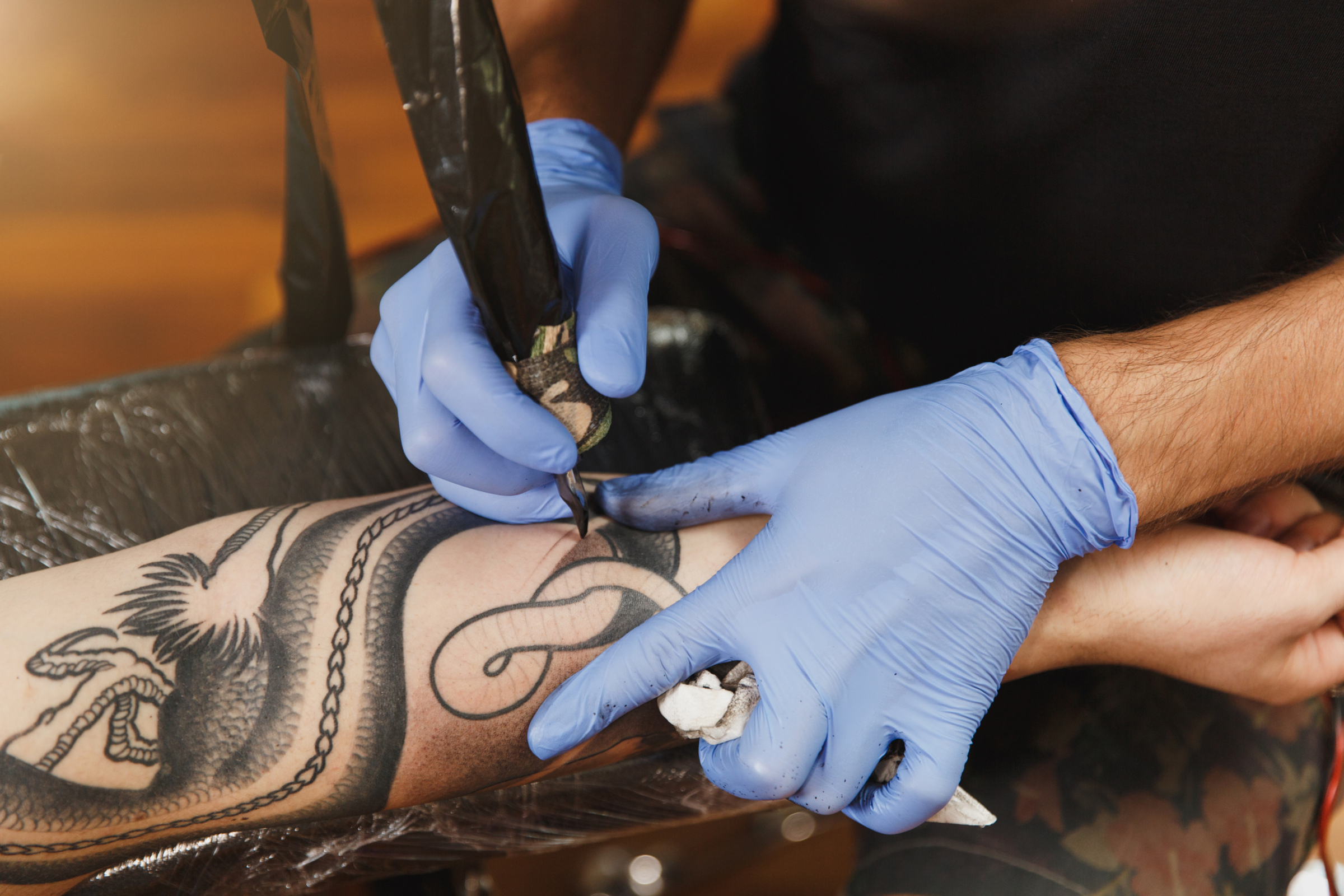
Tattoos in the healthcare field aren’t just about style—they can impact medical procedures, patient safety, and diagnostic accuracy. Think Before You Ink: Tattoos Can Complicate an MRI Scan… highlights how even small inked areas might interfere with imaging. From surgical settings to diagnostics, awareness is key for both patients and providers.
Some medical scans may be affected by tattoos, especially in MRI environments. This is a real concern in healthcare settings where precision matters.
Patients and staff should discuss tattoos before procedures—especially those involving imaging—to avoid complications.
Tattoos in Healthcare: Meaningful Ink for Medics
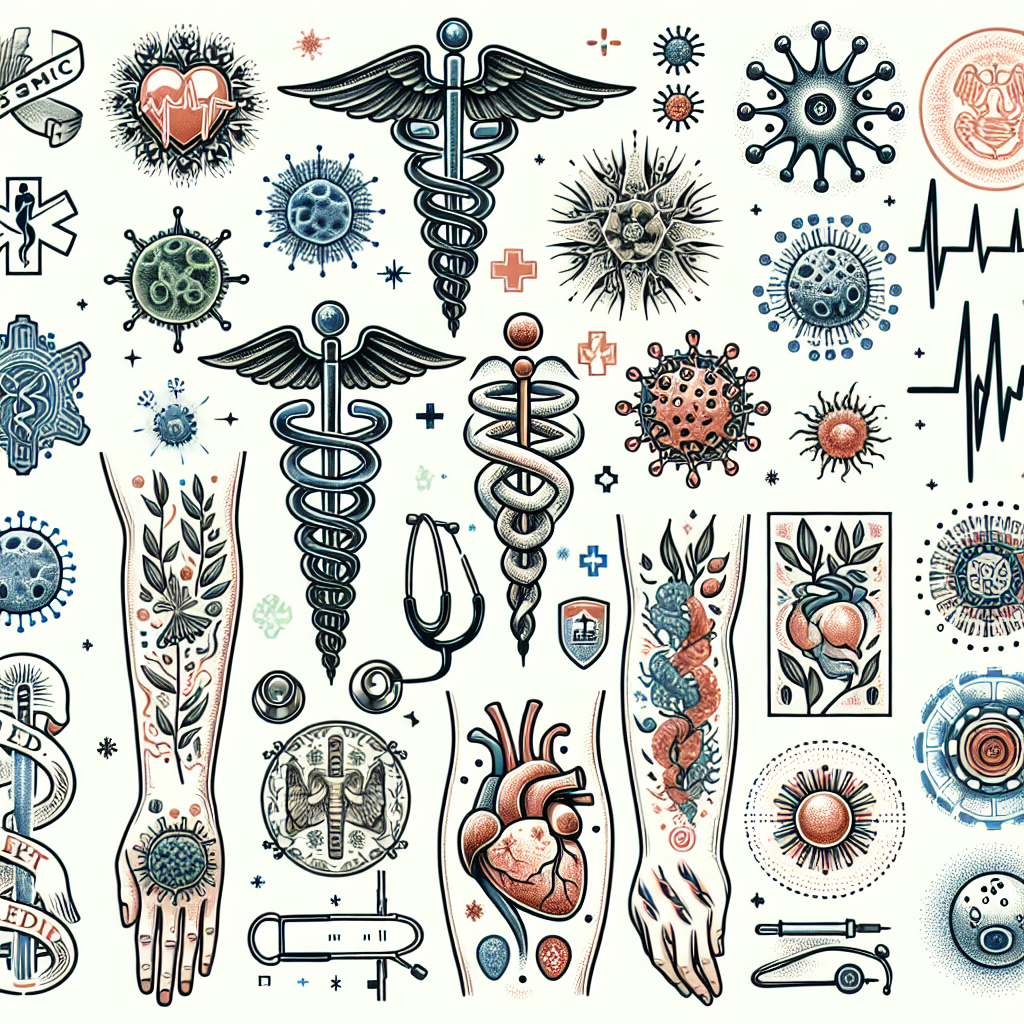
Tattoos in the healthcare field are more than just body art—they reflect dedication, identity, and the quiet courage of medical professionals. From symbolic designs to subtle motifs, these ink pieces tell stories of service, resilience, and compassion. Whether it’s a simple cross or a detailed medical symbol, each tattoo carries meaning. The idea of Best Medic Tattoo Ideas isn’t just about aesthetics; it’s about honoring the journey of those who heal every day.
Medical professionals often choose tattoos in the healthcare field to express their values and personal journeys, blending art with purpose.
These tattoos serve as quiet affirmations of commitment, turning body art into a form of professional pride.
The growing acceptance of tattoos among healthcare professionals signals a new era where expertise and personal identity are equally valued. As policies evolve, the industry learns that visible ink can enhance credibility while fostering a more authentic, diverse workplace.